
As I stood in the kitchen, the tantalizing aroma of sautéing onions and garlic wafted through the air, instantly lifting my spirits. It was the perfect reminder that summer’s bounty isn’t just for salads; I was crafting a delicious Vegetarian Eggplant Casserole. This comforting, gluten-free dish is not only a vibrant celebration of garden-fresh produce—think tender eggplant, juicy tomatoes, and sweet bell peppers—but it also offers a quick prep time that’s ideal for busy weeknights or leisurely weekend gatherings. Layered with gooey, melted cheese, this casserole manages to feel indulgent without weighing you down. Curious about how to make your own? Let’s dive into this delightful recipe that promises to be a hit with everyone at the table!
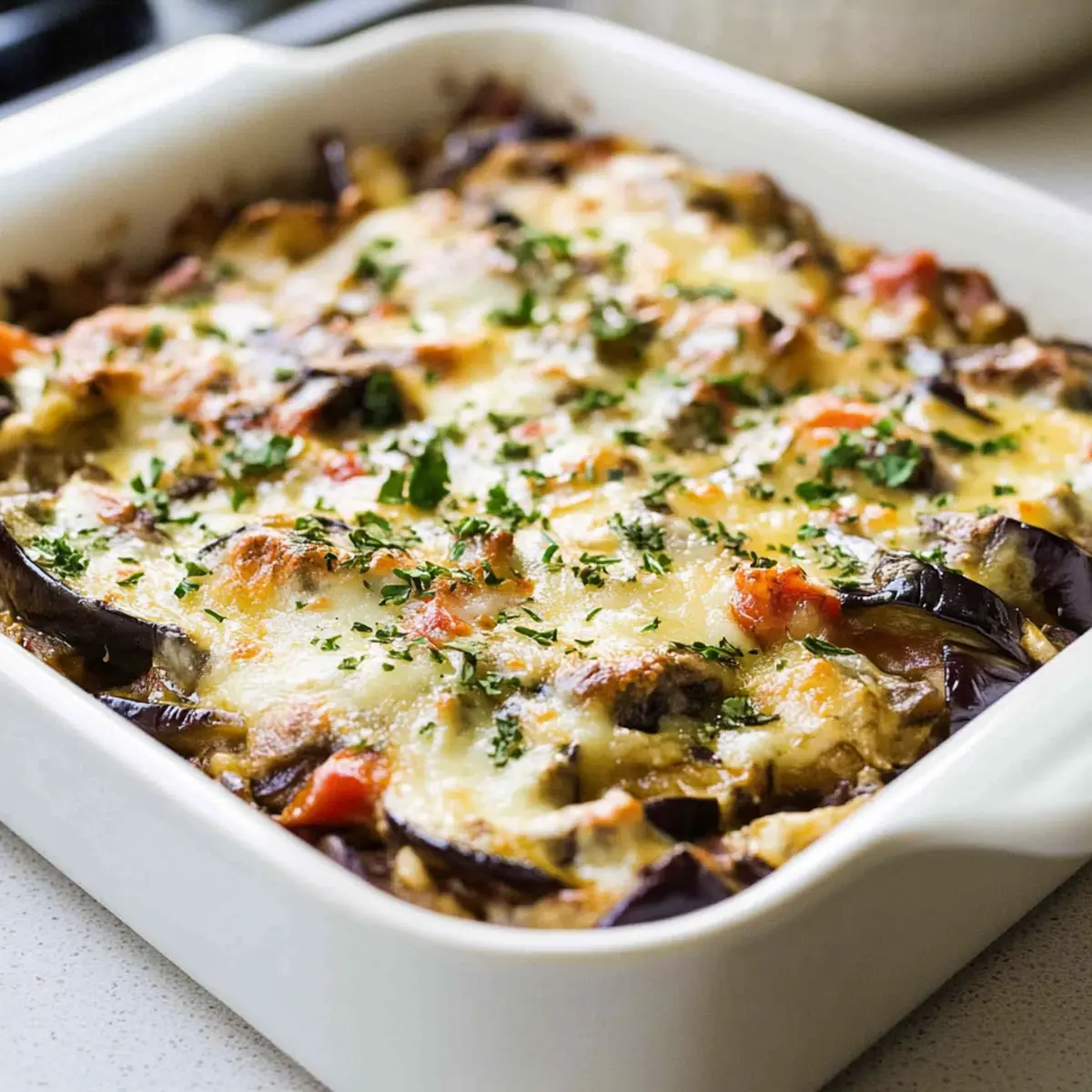
Why is Eggplant Casserole so Irresistible?
Comforting Delight: This Eggplant Casserole is like a warm hug on a plate, showcasing summer’s best veggies in a cheesy, baked medley.
Quick and Easy: With straightforward steps, you can whip it up in no time—perfect for busy weeknights or relaxed gatherings.
Gluten-Free Options: Easily adaptable, you can keep it gluten-free or even lean into a vegan variation with simple swaps.
Vibrant Flavors: The combination of fresh herbs, juicy tomatoes, and tender eggplant creates an explosion of flavors that will please even the pickiest eaters.
Crowd-Pleaser: Serve it warm as a main dish or pair it with grilled chicken for a satisfying meal that everyone will love. If you enjoy hearty, comforting casseroles, check out this Pot Pie Casserole as another crowd favorite!
Eggplant Casserole Ingredients
• Here’s everything you need to craft this delicious Eggplant Casserole.
For the Casserole
- Butter – A rich cooking fat for flavor; substitute with olive oil for a dairy-free option.
- Olive Oil – Adds richness; can use any vegetable oil as a substitute.
- Onion – The base flavor component that sweetens when sautéed; shallots or leeks work well too.
- Garlic – Provides aromatic depth; garlic powder can substitute in a pinch (1/4 tsp per clove).
- Yellow Pepper – Adds sweetness and vibrant color; feel free to swap with green or red peppers.
- Portobello Mushrooms – Their meaty texture gives umami flavor; button mushrooms or zucchini are lighter alternatives.
- Tomatoes – Juicy components balancing flavors; fresh tomatoes or canned are interchangeable.
- Fresh Parsley – Offers a bright herbal note; you can switch it out for basil or oregano.
- Fresh Basil – Enhances flavor; dried basil can be used (1 tsp for every tablespoon).
- Fresh Thyme – Adds earthy notes; dried thyme works at half the amount.
- Vegetable Oil – Used for sautéing eggplant; olive oil is a good alternative.
- Eggplants – The star ingredient providing texture; swap with zucchini for a different texture.
- Salt – Enhances flavors; adjust according to taste and dietary needs.
- Flour – Thickens casserole juices for a perfect consistency; cornstarch is a gluten-free alternative.
- Parmesan Cheese – Adds sharpness and flavor; for vegan options, use nutritional yeast.
- Fresh Mozzarella – Creamy, melting cheese component; feel free to substitute with cheddar or Monterey Jack.
Optional Toppings
- Fresh Herbs – Like basil or thyme, they elevate the dish with fresh notes.
- Extra Cheese – Add more mozzarella or your favorite melting cheese for an indulgent top layer.
Step‑by‑Step Instructions for Eggplant Casserole
Step 1: Preheat the Oven
Begin by preheating your oven to 375°F (190°C). While the oven warms up, take a moment to prepare a medium-sized casserole dish by lightly spraying it with cooking spray to prevent sticking. This step ensures your Eggplant Casserole bakes evenly and comes out deliciously golden.
Step 2: Sauté the Onions
In a large skillet, melt 2 tablespoons of butter combined with 1 tablespoon of olive oil over medium-low heat. Add your chopped onions, letting them sauté for about 3 minutes until they become translucent and fragrant. Stir occasionally to avoid browning, as this forms the flavorful base of your casserole.
Step 3: Cook the Peppers and Garlic
Next, toss in the diced yellow pepper and minced garlic, cooking for an additional 3 minutes. As the garlic releases its aromatic scent, you’ll notice the pepper softening. This combination not only enhances the flavor but also adds vibrant color to your Eggplant Casserole.
Step 4: Add the Mushrooms and Tomatoes
Now, incorporate the chopped portobello mushrooms into the skillet, allowing them to cook until they release their moisture—about 5 minutes. Once that’s done, add diced tomatoes and the fresh parsley, basil, and thyme. Let this delightful mixture simmer for a few minutes, then carefully transfer it to a mixing bowl.
Step 5: Sauté the Eggplant
In the same skillet, add an additional tablespoon of vegetable oil and heat over medium heat. Toss in your cubed eggplant along with a pinch of salt, sautéing until browned and tender, around 10 minutes. Stir frequently to ensure even cooking and to maximize the eggplant’s natural flavors, forming a solid base for your Eggplant Casserole.
Step 6: Combine the Mixtures
Sprinkle 2 tablespoons of flour over the sautéed eggplant and stir well until fully integrated. Then, mix in the reserved vegetable mixture from the bowl, allowing it to simmer together for a few more minutes. This will help thicken the casserole and fuse the incredible flavors.
Step 7: Layer in the Casserole Dish
Begin layering your Eggplant Casserole by spreading 1/3 of the vegetable mixture at the bottom of the prepared dish. Top this with a sprinkle of Parmesan and mozzarella cheeses, ensuring an even coverage. Repeat the layering two more times, finishing off with a generous layer of cheese on top for a perfect, bubbly crust.
Step 8: Bake and Serve
Carefully place the casserole in your preheated oven and bake uncovered for approximately 30 minutes, or until the cheese turns a golden brown and is bubbling delightfully. Once finished, let it rest for about 5-10 minutes to set before serving. Indulge in the layered goodness of your Eggplant Casserole, ready to impress your family and friends!
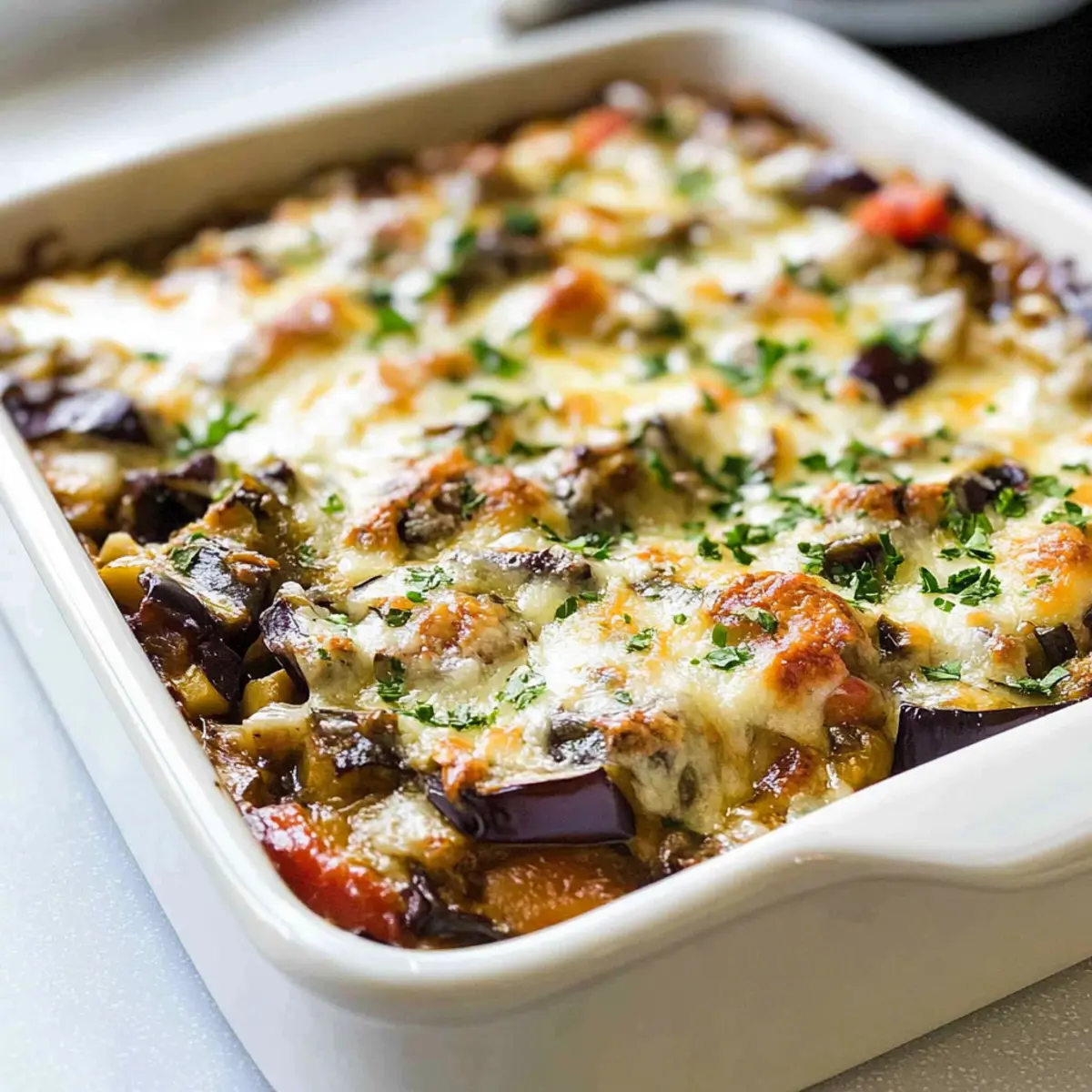
Eggplant Casserole Variations & Substitutions
Feel free to get creative with your Eggplant Casserole; customizing it can lead to delightful new flavors!
-
Dairy-Free: Substitute butter with olive oil and use nutritional yeast instead of Parmesan for a tasty vegan option. You’ll still get that rich flavor without any dairy!
-
Protein Boost: Add cooked lentils or chickpeas into the mix to enhance the protein content while keeping it vegetarian. This will give a hearty twist that makes it even more filling.
-
Herb Swaps: Experiment with fresh herbs like oregano or coriander to find a flavor combination that excites your palate. Each herb brings its own unique taste to brighten the dish.
-
Gluten-Free Option: Swap flour for cornstarch to keep your casserole gluten-free without compromising its lovely thickness. It’ll be just as comforting and satisfying!
-
Veggie Variety: Swap eggplants for zucchini or bell peppers for a different texture and flavor experience. Each option offers a unique twist that keeps this recipe fresh and exciting.
-
Cheesy Indulgence: Use cheddar or Monterey Jack cheese instead of mozzarella for a different cheesy profile. This swap adds extra richness and gooeyness everyone loves.
-
Extra Vegetables: Toss in spinach or kale for added nutrition and color. They blend beautifully in the casserole, contributing to both flavor and visual appeal.
-
Spicy Kick: If you like heat, add red pepper flakes or diced jalapeños into the mix. This will give your casserole a delicious spice that will tantalize your taste buds.
Embrace your culinary creativity with this Eggplant Casserole! For another cozy recipe, consider trying this flavorful Pot Pie Casserole that’s always a family favorite.
What to Serve with Vegetarian Eggplant Casserole?
Elevate your dining experience by pairing this comforting Veggie Casserole with delicious sides and drinks that complement its rich flavors beautifully.
-
Garlic Bread: Offers a crispy, buttery contrast that perfectly balances the creamy casserole, making every bite even more satisfying.
-
Light Salad: A fresh green salad with a tangy vinaigrette cuts through the richness of the casserole, refreshing your palate with each forkful.
-
Grilled Vegetables: Smoky, charred veggies bring an additional layer of flavor and enhance the dish’s vegetable theme, creating a harmonious meal.
-
Rice Pilaf: Fluffy rice adds a delightful texture and soaks up any extra sauce from the casserole, ensuring nothing goes to waste on your plate.
-
Roasted Potatoes: Their crispy exterior and fluffy interior provide a hearty side that complements the casserole’s soft, melting cheese.
-
Herb-Infused Quinoa: Nutty quinoa infused with herbs harmonizes beautifully with the casserole and brings extra protein to the table.
-
Chilled White Wine: A crisp Sauvignon Blanc or a fruity Pinot Grigio makes for a refreshing pairing that brightens the dish’s rich flavors.
-
Frozen Yogurt: A light dessert option like frozen yogurt gives a refreshing finish after the hearty casserole, making for a well-rounded meal.
Each pairing enhances the overall experience of the Eggplant Casserole, inviting lively conversation and joy around your table. Enjoy!
Storage Tips for Eggplant Casserole
Fridge: Store leftover Eggplant Casserole in an airtight container for up to 3 days. This helps maintain its comforting flavors while preventing any drying out.
Freezer: To freeze, wrap the casserole tightly in plastic wrap or aluminum foil, then place it in a freezer-safe container. It will keep for up to 2 months.
Reheating: For best results, reheat portions in the oven at 350°F (175°C) until warmed through, which keeps the cheese gooey and melty.
Thawing: When ready to enjoy, thaw the casserole in the fridge overnight before reheating. This prevents excess moisture and maintains texture.
Make Ahead Options
Preparing your Eggplant Casserole ahead of time is a fantastic way to save precious moments during busy weeknights! You can sauté all the vegetables and combine the mixture up to 24 hours in advance, storing it in an airtight container in the refrigerator. Additionally, you can assemble the entire casserole—layering the eggplant mixture and cheeses—up to 3 days ahead; just cover tightly with foil to maintain freshness. When you’re ready to enjoy your hearty dish, simply bake it straight from the fridge, allowing an extra 10-15 minutes if it’s cold. This time-saving approach ensures your Eggplant Casserole tastes just as delicious while allowing you to savor those moments with loved ones!
Expert Tips for Eggplant Casserole
-
Sauté Well: Properly sautéing the vegetables develops rich flavors and prevents excess moisture from ruining your Eggplant Casserole’s texture.
-
Drain Eggplant: If your eggplant appears watery after cooking, let it drain on paper towels for a few minutes before mixing it into the casserole.
-
Layer Strategically: Be sure to layer the vegetable and cheese mixtures evenly, allowing the flavors to meld beautifully and ensuring every bite is delicious.
-
Add Protein: For a heartier meal, consider mixing in cooked lentils or beans; it adds protein while keeping the dish vegetarian.
-
Experiment with Herbs: Feel free to try different herb combinations, such as oregano or coriander, to customize the flavor profile of your Eggplant Casserole based on your preferences.
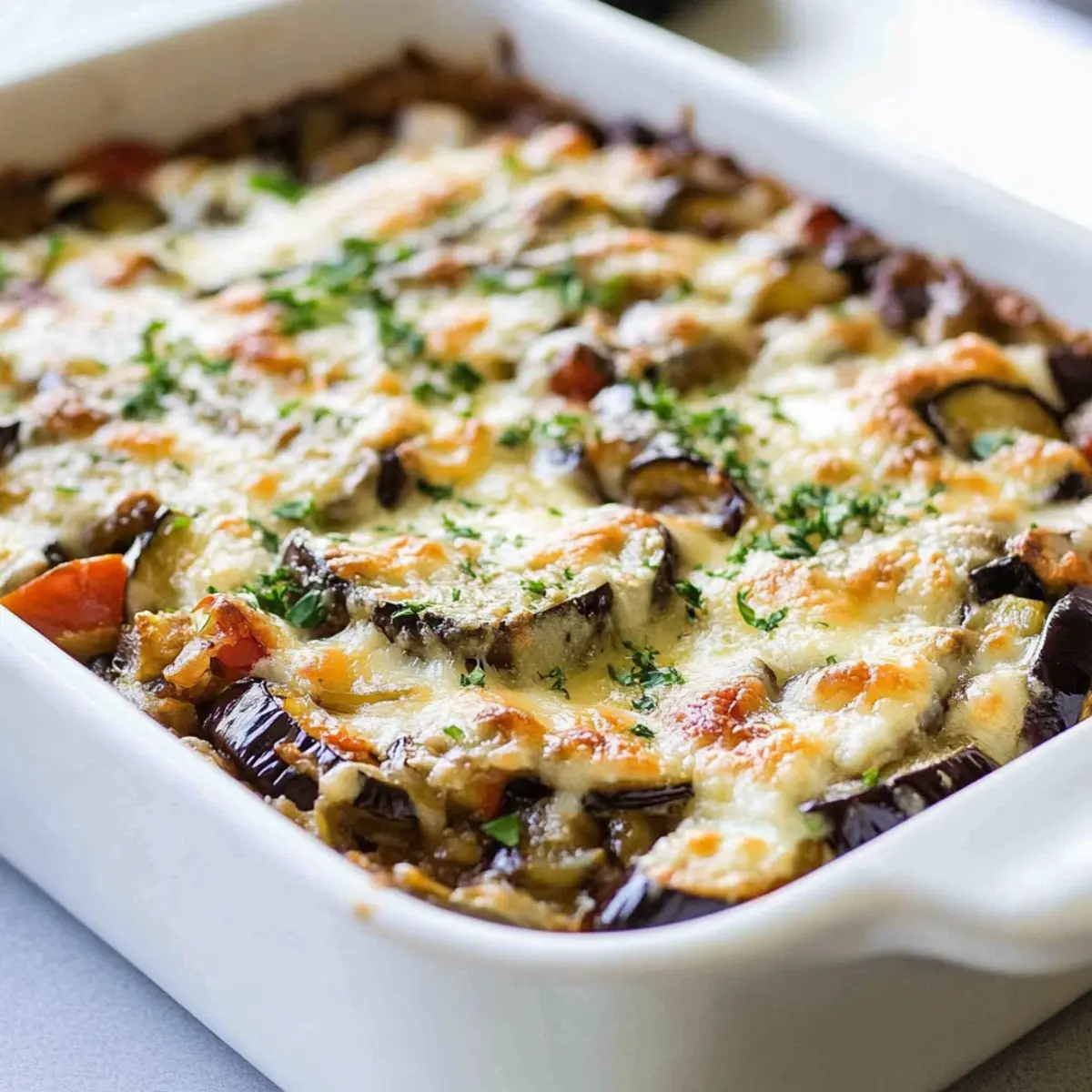
Eggplant Casserole Recipe FAQs
How do I choose the right eggplant for my casserole?
Absolutely! Look for eggplants that are firm to the touch, with shiny, smooth skin and a consistent color. Avoid those with dark spots or blemishes, as they can indicate overripeness. A good eggplant should feel heavy for its size, with a green stem that is fresh-looking.
What’s the best way to store leftover Eggplant Casserole?
You can store your leftover Eggplant Casserole in an airtight container in the fridge for up to 3 days. Just make sure it’s cooled to room temperature before sealing it up to help maintain its delicious flavors. When ready to enjoy, reheat it in the oven to keep the cheese melty and perfect!
Can I freeze Eggplant Casserole for later?
Yes, you can! First, let the casserole cool completely, then wrap it tightly in plastic wrap and aluminum foil to prevent freezer burn. Alternatively, transfer it to a freezer-safe container. It can stay fresh in the freezer for up to 2 months! Just remember to thaw it in the fridge overnight before reheating—this helps keep the texture delightful and avoids excess moisture.
What if my eggplant feels watery after cooking?
If your eggplant seems watery, it’s likely due to not draining it properly. To fix this, after sautéing the eggplant, place it on paper towels for about 10-15 minutes to absorb the excess moisture. This way, your Eggplant Casserole will have the right consistency without being soggy.
Are there any dietary considerations I should keep in mind for this dish?
Very much! For a gluten-free option, you can substitute the flour with cornstarch. If you’re vegan, swap out the dairy cheeses for nutritional yeast and add some plant-based cream for a richer texture. Always be cautious of allergies and modify ingredients accordingly, especially when serving guests to ensure everyone can enjoy!
Can I add extra protein to my Eggplant Casserole?
The more the merrier! You can easily boost the protein content by mixing in cooked lentils or black beans when combining the vegetable mixture. Not only does this add nutrition, but it also makes the casserole even heartier, perfect for a filling meal!
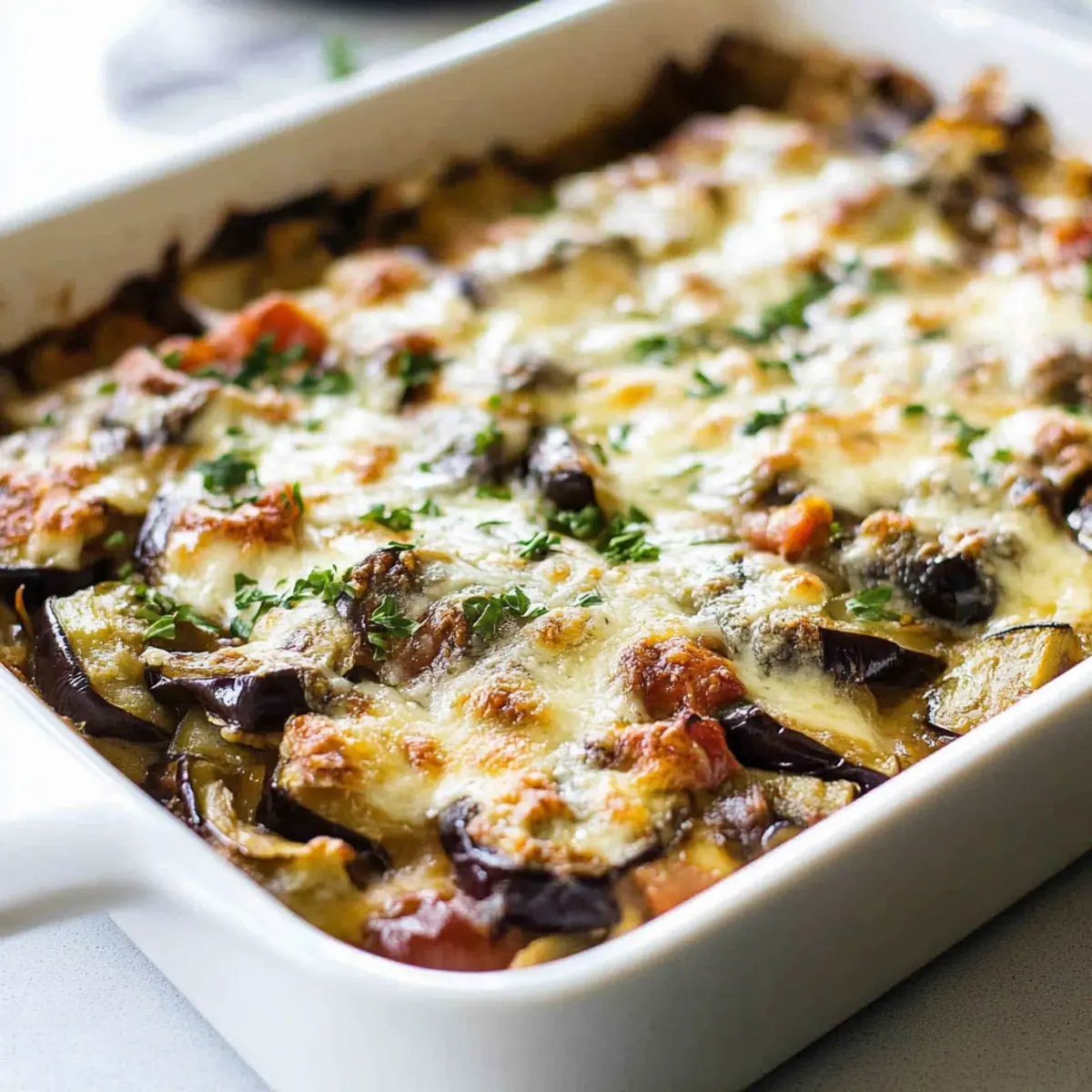
Deliciously Comforting Eggplant Casserole You’ll Love
Ingredients
Equipment
Method
- Preheat your oven to 375°F (190°C). Prepare a casserole dish by spraying it with cooking spray.
- Melt 2 tbsp of butter and 1 tbsp of olive oil in a skillet over medium-low heat, and sauté chopped onions for about 3 minutes.
- Add diced yellow pepper and minced garlic, cooking for an additional 3 minutes.
- Incorporate chopped portobello mushrooms into the skillet, cooking until moisture is released, about 5 minutes.
- Add diced tomatoes and fresh herbs, then transfer the mixture to a mixing bowl.
- In the same skillet, heat 1 tbsp of vegetable oil and sauté cubed eggplant with a pinch of salt until browned, around 10 minutes.
- Sprinkle 2 tbsp of flour over the eggplant and mix in the reserved vegetable mixture, and let it simmer for a few more minutes.
- Layer 1/3 of the vegetable mixture in the casserole dish, top with Parmesan and mozzarella, repeating layers twice more.
- Bake in the oven for approximately 30 minutes until the cheese is golden brown and bubbling.
- Let the casserole rest for 5-10 minutes before serving.
Leave a Reply