
As I stood in my kitchen, a rainbow of fresh vegetables beckoned from the counter, signaling the perfect moment to whip up a hearty Sausage and Vegetable Skillet. With just 20 minutes to spare, I transformed those vibrant ingredients into a comforting one-pan meal that not only tantalizes the taste buds but also fits effortlessly into our busy lives. This easy and family-friendly dish combines juicy Italian sausage with a colorful mix of summer squash, green onions, and ripe tomatoes, making it the ultimate quick dinner solution for any night. Plus, it’s incredibly customizable, allowing you to mix and match your favorite veggies or sausages. So, which twist will you try first: a hint of spicy sausage or an extra crunch with bell peppers? Let’s dive into this satisfying recipe!
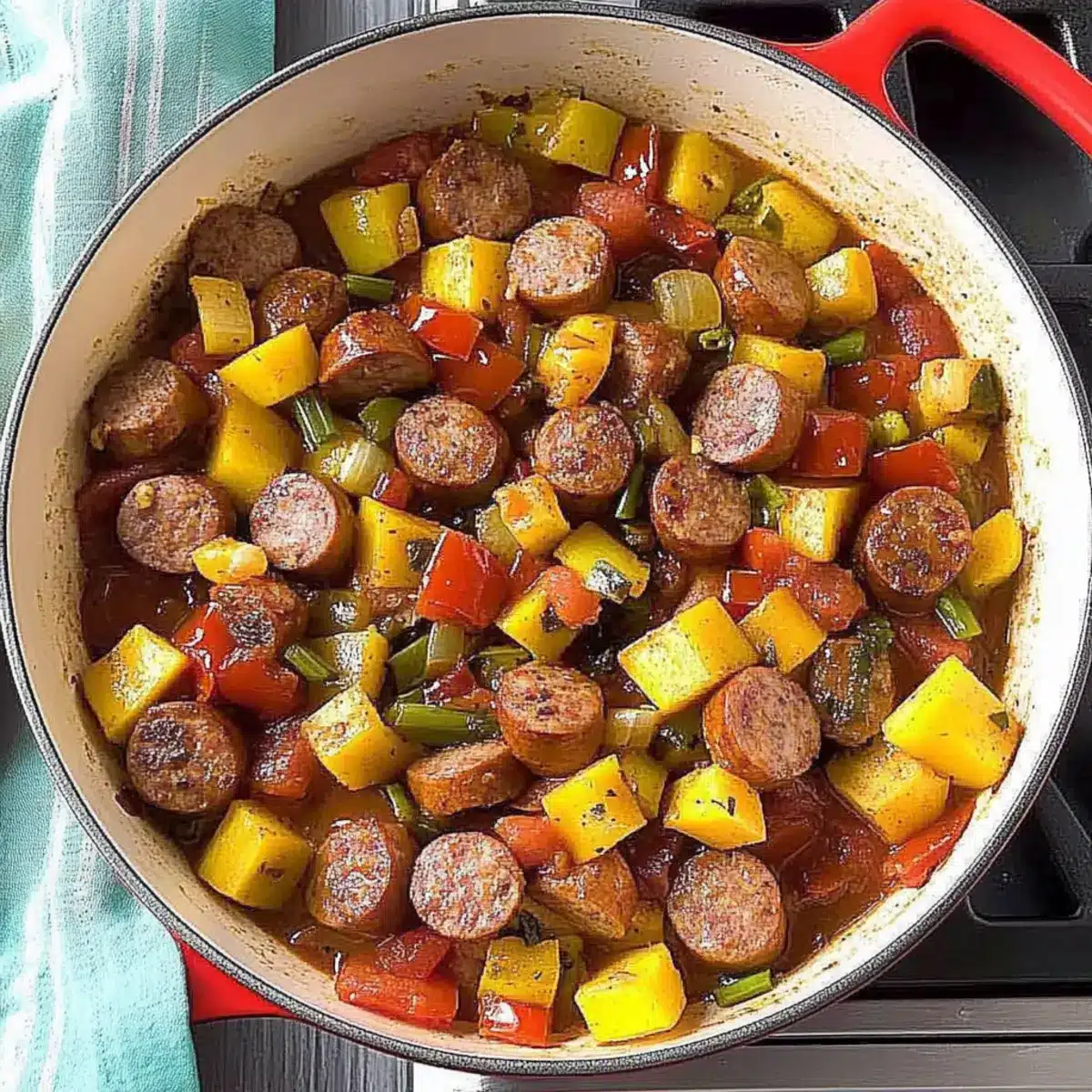
Why Is This Skillet a Must-Try?
Quick and Easy: This Sausage and Vegetable Skillet is ready in just 20 minutes, perfect for busy weeknights.
Hearty and Flavorful: Juicy Italian sausage blends beautifully with fresh veggies, creating a meal that’s both satisfying and delicious.
Versatile Ingredients: Feel free to swap in your favorite vegetables, whether it’s colorful bell peppers or leafy greens like spinach.
Customizable Options: Use turkey sausage for a lighter twist or play with spices to suit your taste.
One-Pan Wonder: Cleanup is a breeze with this one-pan meal, leaving you more time to enjoy with family.
This is a great choice if you’re looking for something cozy yet easy, especially if you love meals like Italian Sausage Potato or Sheet Pan Sausage.
Sausage and Vegetable Skillet Ingredients
Explore the delightful components of this easy dish!
For the Skillet
- Fresh Italian sausage links – A hearty combination of protein and robust flavors; turkey sausage is a lighter alternative.
- Canola oil – Used for cooking to achieve golden-brown perfection; olive oil can be a tasty substitute.
- Yellow summer squash – Adds sweetness and a burst of color; you can easily swap this for vibrant zucchini.
- Green onions – Provides a mild crunch and flavor; feel free to use chopped onions or shallots if you prefer.
- Garlic cloves – Infuses the dish with aromatic depth; garlic powder can be used in a pinch if you don’t have fresh cloves.
- Chopped tomatoes – Contributes juiciness and a hint of acidity; canned tomatoes are a fantastic alternative if fresh isn’t available.
- Worcestershire sauce – Enhances the savory profile of the skillet; soy sauce works as a great substitute.
- Cayenne pepper – Provides a touch of heat; feel free to adjust the amount to suit your taste or omit entirely for a milder dish.
Step‑by‑Step Instructions for Sausage and Vegetable Skillet
Step 1: Cook the Sausage
In a large skillet, heat 1 tablespoon of canola oil over medium heat. Add the fresh Italian sausage links and cook for about 8-10 minutes. Turn occasionally until the sausages are well-browned and the internal temperature reaches 160°F. Once cooked through, remove the sausages from the skillet, allowing any excess fat to drain out, and set them aside.
Step 2: Slice the Sausage
Once the sausage is cool enough to handle, slice it into 1/2-inch pieces while ensuring you maintain that flavorful texture. Return these sausage slices back to the skillet, mixing them with the remaining oil in the pan for an extra boost of flavor.
Step 3: Add the Vegetables
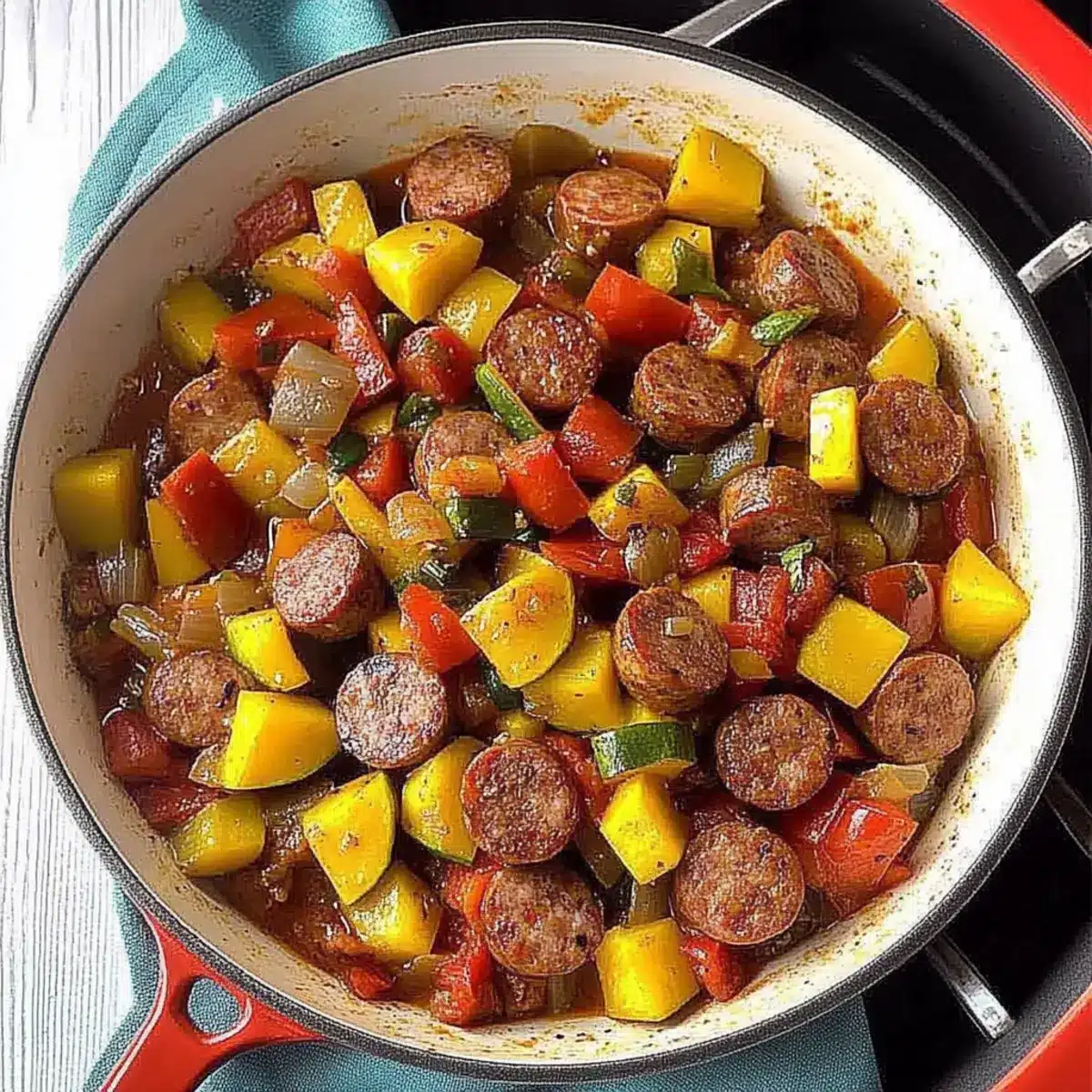
Stir in the cubed yellow summer squash and chopped green onions. Cook everything together for about 3-4 minutes, stirring frequently until the squash is tender and brightly colored. This step gives your Sausage and Vegetable Skillet that wonderful, vibrant look and flavor.
Step 4: Add Garlic
Next, add the minced garlic cloves to the skillet and sauté for another minute, stirring continuously until the garlic becomes fragrant. This aromatic addition elevates the dish, filling your kitchen with a delightful aroma. Be careful not to let the garlic burn for optimal flavor.
Step 5: Add Tomatoes and Season
Pour in the chopped tomatoes along with 1 tablespoon of Worcestershire sauce and a pinch of cayenne pepper. Stir well to combine all the ingredients and let the mixture heat through for about 3-4 minutes, until the tomatoes are warm and juicy. Your Sausage and Vegetable Skillet is almost ready to serve!
Step 6: Serve and Enjoy
Once everything is well combined and heated through, remove the skillet from the heat. Serve your hearty Sausage and Vegetable Skillet warm, ideally with crusty bread or over rice for a delightful meal. Enjoy sharing this vibrant dish with your family!
Expert Tips for Sausage and Vegetable Skillet
-
Cook Safely: Ensure the sausage reaches an internal temperature of 160°F for food safety. This guarantees it’s cooked through and safe to eat.
-
Watch the Veggies: Keep an eye on the vegetables while cooking. They should be tender but vibrant, so avoid overcooking for the best texture.
-
Prep Ahead: Chop your vegetables the night before and store them in the refrigerator. This makes the cooking process even quicker when you’re ready to prepare your Sausage and Vegetable Skillet!
-
Flavor Boost: Add a splash of balsamic vinegar or lemon juice at the end for a delightful, zesty finish that enhances the dish even more.
-
Seamless Substitutes: Get creative with ingredient substitutions! You can swap in different types of sausage or seasonal vegetables for a unique twist on your Sausage and Vegetable Skillet.
Sausage and Vegetable Skillet Variations
Explore exciting ways to customize your Sausage and Vegetable Skillet for a delightful twist on this family favorite!
- Dairy-Free: Omit any cheese and enjoy a creamy texture by adding a bit of coconut milk instead for richness without dairy.
- Spice Level: Amp up the heat by incorporating jalapeños or red pepper flakes for those who love a fiery kick in every bite!
- Lentil Power: Swap out sausage for cooked lentils to create a fantastic vegetarian option that’s still hearty and satisfying. A truly filling bite!
- Herb Infusion: Add fresh herbs like basil, parsley, or thyme at the end for an aromatic layer that enhances the dish’s flavor profile beautifully.
- Colorful Crunch: Toss in bell peppers, broccoli, or carrots alongside your veggies for a pop of color and extra crunch. Feel free to mix and match!
- Chickpea Boost: Replace sausage with chickpeas for a protein-packed vegan alternative that pairs wonderfully with the savory flavors of the skillet.
- Sweetness Factor: Add a touch of honey or a sprinkle of brown sugar to balance the savory notes if you’re using spicy sausage.
- Sausage Mix: Try different types of sausage, such as chorizo or smoked sausage, for a unique twist on flavor. It’s a fun way to change things up!
With these variations in mind, you’re bound to create a dish perfect for every palate, just like my beloved Potato Sausage Chowder or the cozy Cheesy Cajun Skillet. Enjoy experimenting with your meal!
How to Store and Freeze Sausage and Vegetable Skillet
Refrigerator: Store leftovers in an airtight container for up to 3 days. Don’t forget to let the dish cool before sealing to maintain freshness.
Freezer: If you want to keep your Sausage and Vegetable Skillet longer, freeze it in a sealed freezer-safe container for up to 3 months.
Reheating: When ready to enjoy, thaw overnight in the fridge and reheat gently on the stovetop, adding a splash of water or broth if needed to restore moisture.
Best Practices: Label containers with the date so you can keep track of freshness and avoid any waste!
What to Serve with Hearty Sausage and Vegetable Skillet
Looking to elevate your hearty one-pan meal into a full experience? Here are delightful accompaniments that enhance every bite.
-
Crusty Bread: Perfect for soaking up the flavorful juices from the skillet, crusty bread adds a delightful crunch.
-
Steamed Rice: A fluffy bed of rice complements the richness of the dish, making each bite hearty and satisfying.
-
Mixed Green Salad: Fresh greens with a light vinaigrette provide a crisp contrast to the warm skillet, brightening your meal.
-
Garlic Bread: The buttery, garlicky goodness of garlic bread pairs beautifully, adding a comforting touch to your dining experience.
-
Roasted Vegetables: Arrange seasonal veggies like Brussels sprouts or asparagus alongside for an extra dose of nutrition and flavor.
-
Herbed Quinoa: Light and nutty, quinoa adds a burst of protein and pairs creatively with the spices in the skillet.
-
Sparkling Water with Lime: Refreshing and light, this bubbly drink cleanses the palate between delicious bites.
-
Apple Crisp: End the meal on a sweet note with a warm apple crisp, balancing the savory elements with a comforting dessert.
Make Ahead Options
These Sausage and Vegetable Skillet preparations are fantastic for busy weeknights! You can chop your vegetables (yellow summer squash, green onions, and tomatoes) and store them in an airtight container in the refrigerator for up to 3 days. For the sausage, consider cooking it ahead of time and slicing it into pieces, which you can refrigerate for up to 24 hours. When you’re ready to serve, simply heat the sausage and vegetables in a skillet, add garlic, Worcestershire sauce, and cayenne pepper, cook until heated through, and enjoy a comforting meal that is just as delicious as when freshly made. This meal prep strategy saves time and ensures you have a hearty family dinner ready with minimal effort!
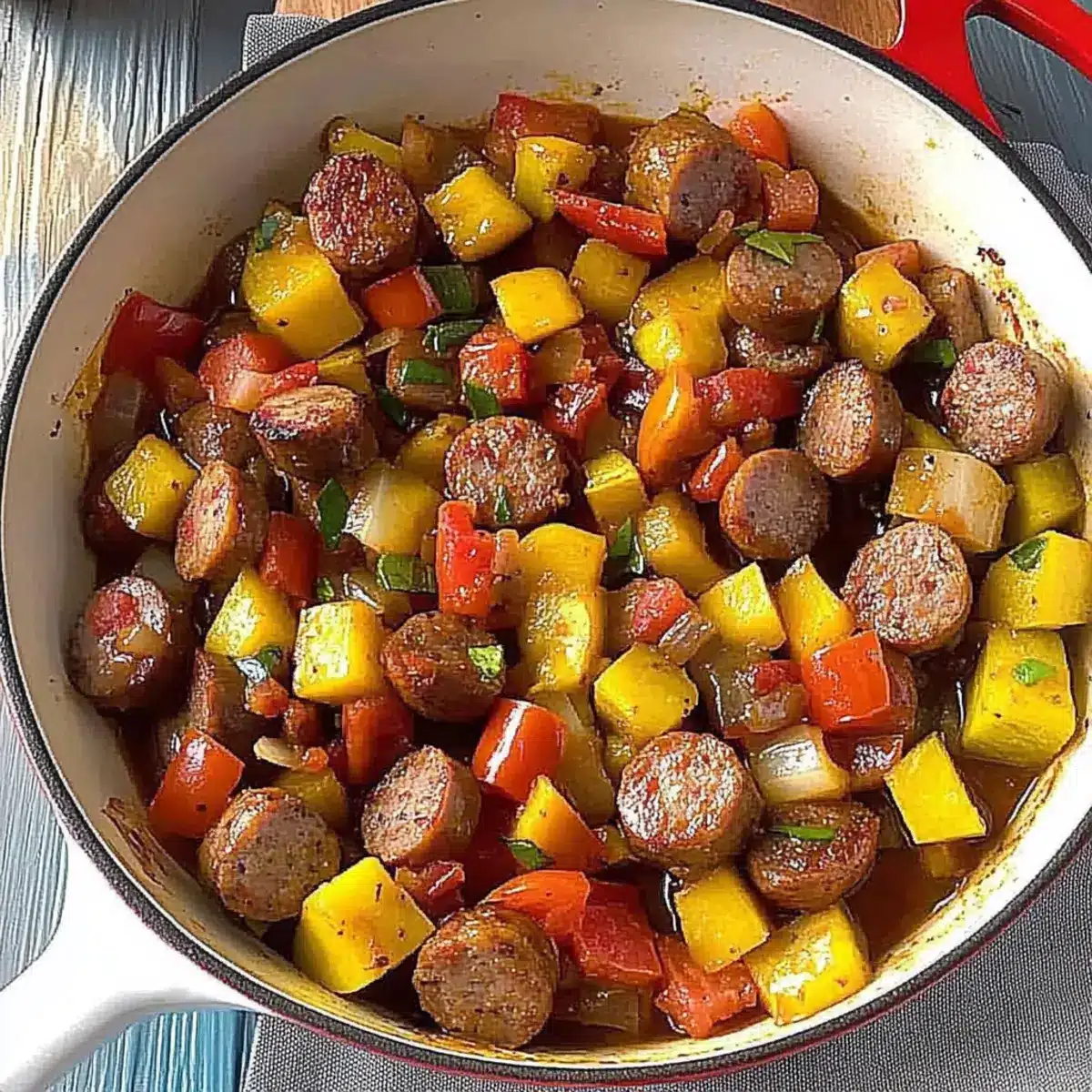
Sausage and Vegetable Skillet Recipe FAQs
What type of sausage should I use for the best flavor?
Absolutely! Fresh Italian sausage links bring robust flavor to the dish, making it a standout. If you’re looking for a lighter option, turkey sausage is a fantastic substitute that still provides great taste while being lower in fat.
How should I store leftovers to keep them fresh?
Very! To keep your Sausage and Vegetable Skillet leftovers fresh, simply place them in an airtight container and store them in the refrigerator for up to 3 days. Allow the dish to cool before sealing it to maintain its delicious flavors and prevent condensation.
Can I freeze this skillet meal for later?
Certainly! To freeze your Sausage and Vegetable Skillet, transfer it into a sealed freezer-safe container, ensuring you do this within a few hours after cooking. It can be stored in the freezer for up to 3 months. For best results, label the container with the date.
What should I do if my vegetables start to overcook?
No worries! If you notice your vegetables becoming too soft, simply reduce the cooking time next time. Aim for about 3 to 4 minutes of cooking after adding them to the skillet—this keeps them vibrant and tender. Keep stirring to ensure even cooking and prevent any burning.
Are there any dietary considerations I should keep in mind?
Great question! If you’re cooking for individuals with dietary restrictions, you can customize this recipe to cater to various needs. Use gluten-free sausage if gluten is an issue, or opt for vegetables that suit your family’s preferences. Just remember to adjust the spice levels if you’re serving young kids!
How can I adjust the recipe for added taste or variety?
Absolutely! To take your Sausage and Vegetable Skillet to the next level, consider adding a splash of balsamic vinegar or a squeeze of fresh lemon juice towards the end of cooking. This not only enhances the flavor but also adds a delightful brightness. Experimenting with seasonal vegetables is another enjoyable way to keep the dish fresh and exciting!
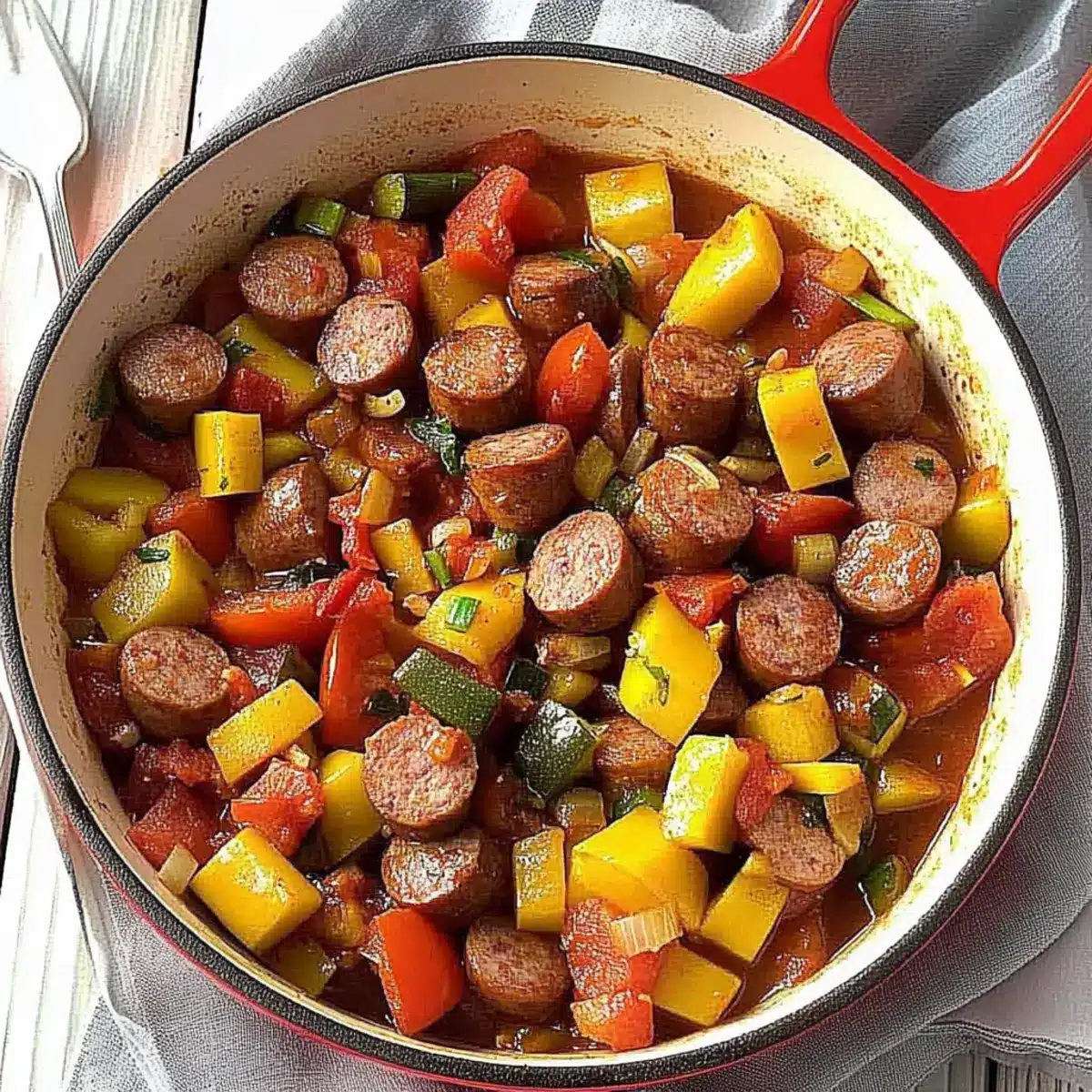
Satisfying Sausage and Vegetable Skillet Ready in 20 Minutes
Ingredients
Equipment
Method
- In a large skillet, heat 1 tablespoon of canola oil over medium heat. Add the fresh Italian sausage links and cook for about 8-10 minutes, turning occasionally until browned and internal temperature reaches 160°F. Once cooked, remove and let drain.
- Once the sausage is cool, slice it into 1/2-inch pieces. Return these back to the skillet, mixing with the remaining oil for flavor.
- Stir in cubed yellow summer squash and chopped green onions. Cook together for 3-4 minutes until squash is tender and bright.
- Add minced garlic cloves and sauté for another minute, stirring continuously until fragrant.
- Pour in chopped tomatoes, Worcestershire sauce, and cayenne pepper. Stir and let heat through for 3-4 minutes until tomatoes are warm.
- Remove from heat and serve warm, ideally with crusty bread or over rice.
Leave a Reply