
There’s something satisfying about whipping up a delicious meal that feels like it should be reserved for a fancy night out. My Homemade Chicken Chow Mein takes all the things we crave from takeout and transforms them into a fresh, vibrant dish right in your own kitchen. This quick weeknight dinner not only saves you a trip to the restaurant but also brings better quality to your table with tender chicken, crunchy vegetables, and those irresistible chow mein noodles. Plus, you can customize it however you like—whether swapping in your favorite seasonal veggies or trying a plant-based protein. Are you ready to capture that takeout magic? Let’s dive into making this mouthwatering dish!
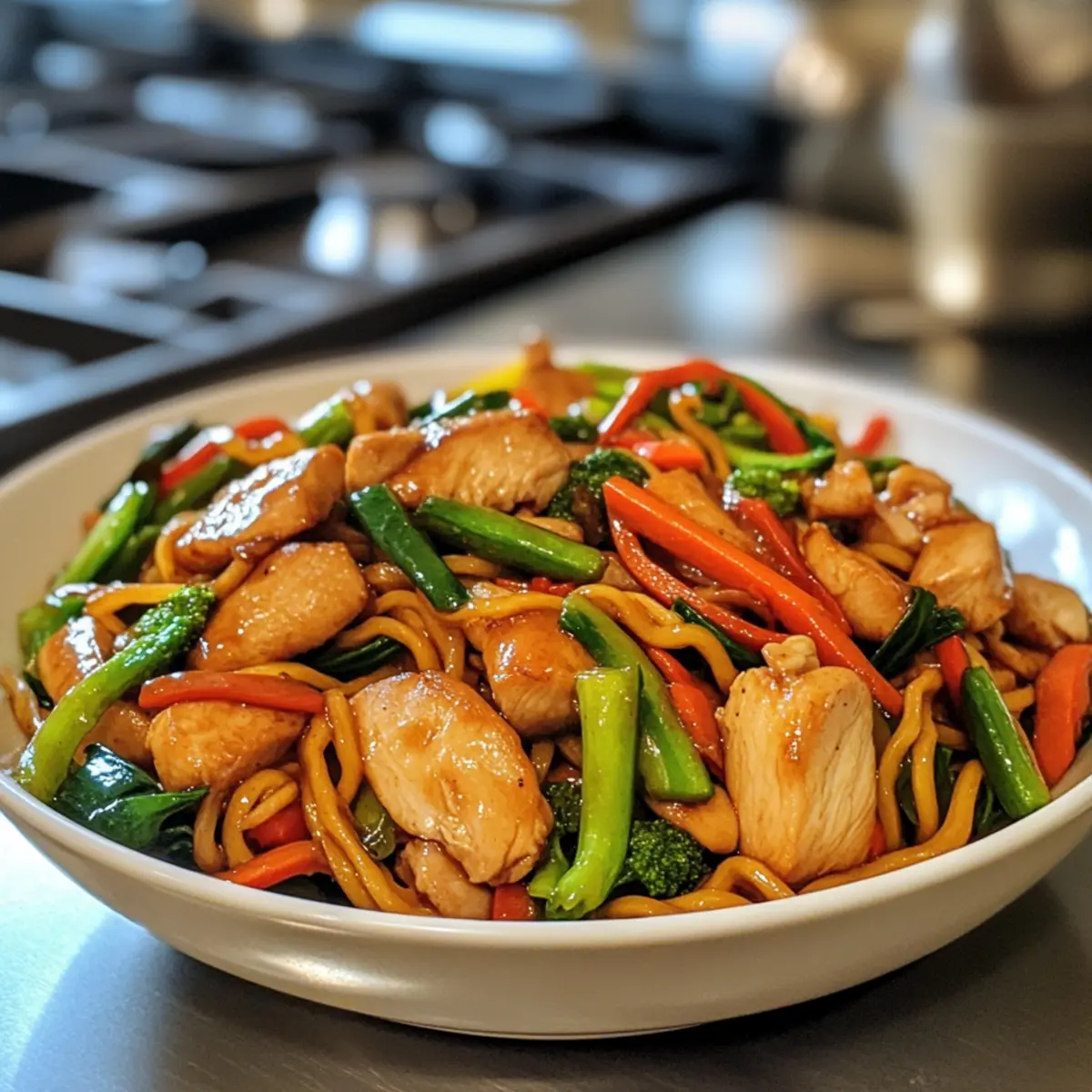
Why is homemade Chicken Chow Mein irresistible?
Quick and Easy: This Chicken Chow Mein comes together in a flash, making it a perfect choice for busy weeknights. Freshness Guaranteed: Unlike takeout, you control the ingredients, ensuring each bite bursts with flavor and nutrition. Customizable Delights: Feel free to swap in seasonal veggies or proteins like shrimp or tofu to suit your cravings. Family Favorite: Its vibrant colors and savory aroma will have everyone flocking to the dinner table. Plus, it’s far superior to any fast-food option—your loved ones will be asking for seconds!
Chicken Chow Mein Ingredients
• Here’s everything you need for your homemade Chicken Chow Mein.
For the Chicken
- Boneless chicken breast or thighs – Provides protein and substance; can substitute with tofu for a vegetarian option.
- Shaoxing wine (or dry sherry) – Enhances flavor depth; omit or replace with chicken broth for a non-alcoholic version.
- Cornstarch – Used for marinating; helps tenderize the chicken.
- Salt – Basic seasoning to enhance all flavors.
For the Broth & Sauce
- Chicken broth – Adds moisture and umami; vegetable broth can serve as a substitute for a vegetarian version.
- Oyster sauce – Key for authentic flavor; use vegetarian oyster sauce or a mix of soy sauce and hoisin in its place.
- Soy sauce – Provides salty and savory notes; light soy sauce works well for a lighter flavor.
- Sugar – Balances and enhances the sauce taste.
- White pepper (or black pepper) – Adds warmth and a slight kick.
- Sesame oil – Contributes richness and fragrance to the dish.
For Stir-Frying
- Peanut oil (or vegetable oil) – For frying; can use any high smoke-point oil.
For the Vegetables
- Shredded cabbage – Adds crunch and color; you can replace it with pre-cut coleslaw mix for convenience.
- Garlic – Builds the aromatic base of the dish.
- Ginger – Adds warmth and spice to the overall flavor.
- Chow mein noodles – The foundational element; fresh noodles preferred for best texture; dried noodles can be used as an alternative.
- Carrots – Contributes sweetness and crunch; can be substituted with bell peppers.
- Anaheim pepper – Optional for added heat; omit if desired.
- Green onions – Adds freshness and flavor notes; can also use chives.
Step‑by‑Step Instructions for Chicken Chow Mein
Step 1: Marinate Chicken
Begin by slicing boneless chicken breast or thighs into thin strips. In a mixing bowl, combine the chicken with Shaoxing wine, cornstarch, and a pinch of salt, ensuring each piece is coated evenly. Let it marinate for about 15 minutes at room temperature to absorb the flavors.
Step 2: Prepare Sauce
In a separate bowl, whisk together the chicken broth, additional Shaoxing wine, oyster sauce, soy sauce, sugar, white pepper, and sesame oil until well blended. This sauce mixture will add a rich depth of flavor to your Chicken Chow Mein, so set it aside while you prepare the rest of the ingredients.
Step 3: Cook Noodles
Bring a large pot of water to a boil. Add the chow mein noodles and cook according to package instructions, usually around 3-5 minutes, until they’re just tender. Once cooked, drain the noodles and rinse them briefly under cold water to stop the cooking process; set aside.
Step 4: Cook Chicken
Heat a tablespoon of peanut oil in a large nonstick skillet or wok over medium-high heat. Once the oil shimmers, add the marinated chicken in a single layer and cook for about 5 minutes, stirring occasionally, until the chicken is browned and cooked through. Remove the chicken from the pan and set aside.
Step 5: Sauté Aromatics
In the same skillet, add another tablespoon of oil if needed. Add minced garlic and grated ginger, stirring constantly for about 30 seconds until fragrant. Be careful not to burn them, as this will impart a bitter taste.
Step 6: Cook Vegetables
Add the shredded cabbage and julienned carrots to the pan, stirring frequently. Sauté the vegetables for about 3-4 minutes, until they start to soften but still retain a bit of crunch. This is where the colors of the Chicken Chow Mein come to life.
Step 7: Combine Ingredients
Return the cooked chicken to the skillet, then add the rinsed chow mein noodles. Pour the prepared sauce over the mixture and toss everything together gently using tongs or chopsticks for about 2 minutes, ensuring that each ingredient is coated in the savory sauce.
Step 8: Finish
Sprinkle sliced Anaheim pepper and chopped green onions over the stir-fry. Stir to incorporate everything and cook for an additional minute. This final touch adds freshness and a subtle heat to your Chicken Chow Mein. Serve immediately for a delightful homemade takeout experience.
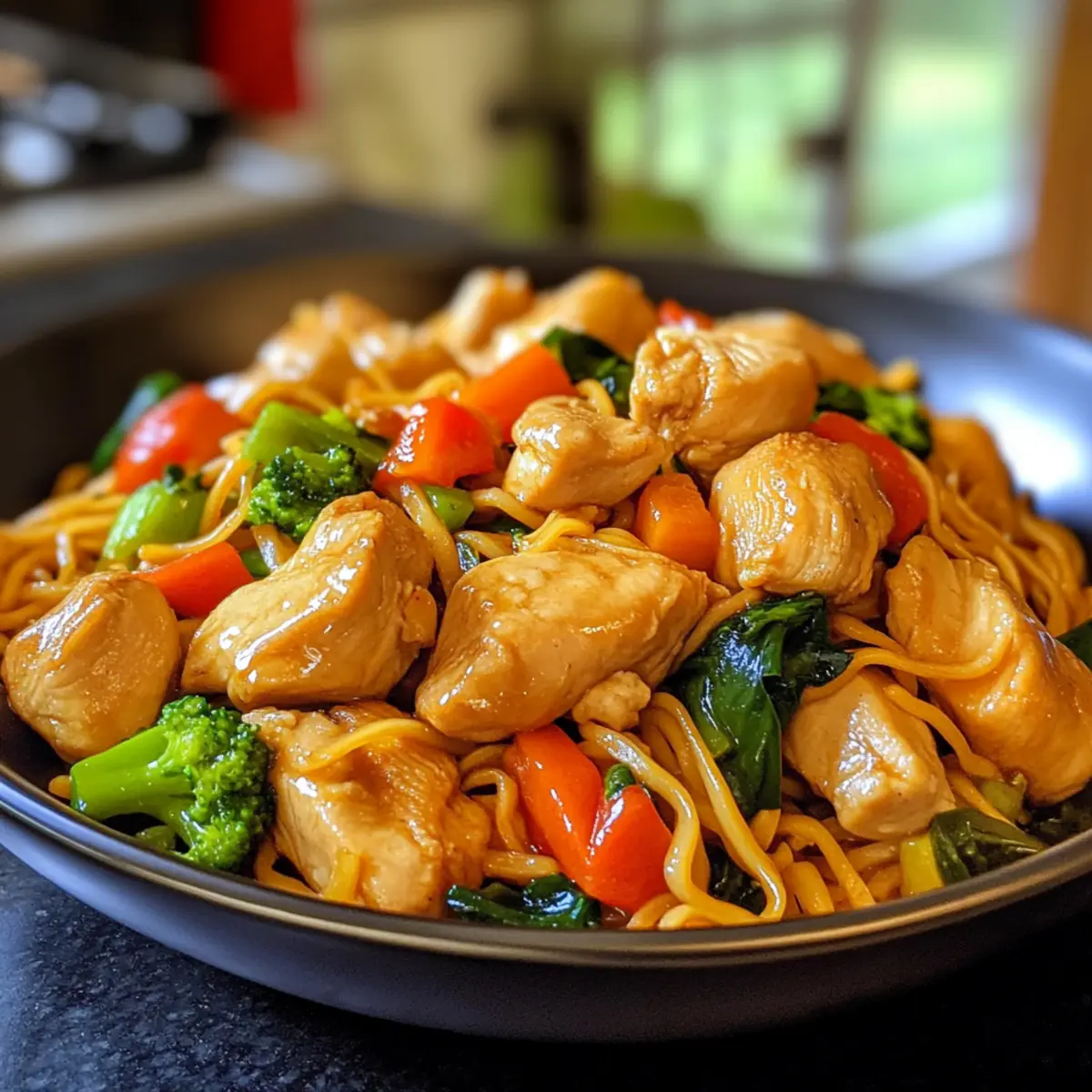
Make Ahead Options
These Homemade Chicken Chow Mein are perfect for meal prep enthusiasts! You can marinate the chicken up to 24 hours in advance, letting those flavors infuse deeply. Additionally, you can chop your vegetables and prepare the sauce, storing them separately in airtight containers in the refrigerator for up to 3 days. When you’re ready to cook, simply boil the noodles fresh and stir-fry everything together. This way, the dish retains its delightful textures and vibrant flavors—just as delicious as if prepared all at once. Enjoy the peace of mind knowing you’ve set yourself up for a nourishing, quick weeknight dinner!
Storage Tips for Chicken Chow Mein
Fridge: Store any leftover chicken chow mein in an airtight container for up to 3 days to keep it fresh and flavorful.
Freezer: If you want to store it for longer, freeze the chicken chow mein in a freezer-safe container for up to 2 months. Thaw overnight in the fridge before reheating.
Reheating: To revive its original texture, reheat the chicken chow mein in a skillet over medium heat, adding a splash of water or broth if needed to moisten it.
Enjoying Leftovers: For the best results, enjoy your chicken chow mein the next day; flavors meld and deepen, creating a more delicious dish!
What to Serve with Homemade Chicken Chow Mein?
There’s nothing quite like enjoying a heartwarming meal filled with vibrant colors and delightful flavors.
-
Garlic Green Beans: The crisp, tender green beans tossed in garlic add a fresh crunch that complements the rich noodles beautifully.
-
Crispy Spring Rolls: These little bites of joy, filled with veggies and served with sweet chili sauce, offer a satisfying crunch paired with your chow mein.
-
Sesame Cucumber Salad: A refreshing side, this salad brings a cool bite to the table, balancing the warm, savory flavors of your chow mein.
-
Egg Drop Soup: Silky, warm, and comforting, this classic soup is a delightful starter that harmonizes with the Chinese flavors of chicken chow mein.
-
Steamed Broccoli: The slightly sweet, vibrant green stalks add nutrition and a pop of color, enhancing the overall meal experience.
-
Chili Oil: A drizzle of this fragrant condiment can elevate flavors, adding a spicy kick to each bite, perfect for those who love a little heat.
-
Iced Jasmine Tea: A delicate beverage that cools the palate and complements the savory notes of the chicken chow mein beautifully.
-
Mango Sticky Rice: A creamy, sweet dessert that contrasts the savory meal, leaving everyone with a satisfying final touch.
-
Fried Wontons: Light and crispy, these provide a delightful crunch and can be stuffed with sweet or savory fillings to match your mood.
-
Pineapple Fried Rice: An unexpected pairing, but the sweetness of the pineapple blends wonderfully with the savory depth of the chow mein, making for a delightful culinary experience.
Chicken Chow Mein Variations
Customize your chicken chow mein and unlock new flavors that will tantalize your taste buds!
- Protein Swap: Substitute chicken with shrimp, beef, or tofu to cater to your taste preferences. Each protein adds a unique flair!
- Seasonal Veggies: Use seasonal vegetables like bell peppers, broccoli, or snap peas instead of the usual cabbage. This keeps your dish fresh and exciting every time!
- Noodle Alternatives: Replace chow mein noodles with yakisoba or even spaghetti in a pinch. It’s a fun twist that can make the dish feel new.
- Sauce Boost: Add a splash of soy sauce or hoisin for extra flavor depth, giving your meal that irresistible taste you love from takeout.
- Spicy Kick: Toss in some crushed red pepper flakes or a drizzle of sriracha for an added heat level that awakens your palate.
- Creamy Touch: For a richer flavor, stir in a tablespoon of peanut butter or coconut cream. This twist creates a delightful creaminess that’s simply irresistible.
- Fresh Herbs: Garnish with fresh cilantro or basil for an aromatic finish that heightens the dish’s freshness and flavor complexity.
- Extra Crunch: Sprinkle toasted sesame seeds or chopped nuts before serving for an added crunchy texture that elevates each bite.
When you’re looking for more inspiration, don’t forget to check out my recipes for Cheesy Garlic Chicken or Thai Peanut Chicken for other satisfying meals that can also be customized!
Expert Tips for Chicken Chow Mein
-
Prep Ingredients First: Always chop and measure your vegetables and seasoning before you start cooking. This ensures a seamless cooking process and prevents burning during stir-fry.
-
Choose Fresh Noodles: Opt for fresh chow mein noodles for the best texture. If using dried, remember to slightly undercook them to maintain a perfect chewiness.
-
Watch the Heat: Stir-frying requires high heat; keep an eye on your garlic and ginger to avoid burning, which can ruin the flavorful base of your chicken chow mein.
-
Customize Freely: Feel free to mix seasonal vegetables or switch proteins to chicken chow mein. Try adding bell peppers, snap peas, or tofu for a personalized touch.
-
Storage Savvy: If you have leftovers, store them in an airtight container in the fridge for up to 3 days. Reheating in a skillet rather than the microwave will help retain texture.
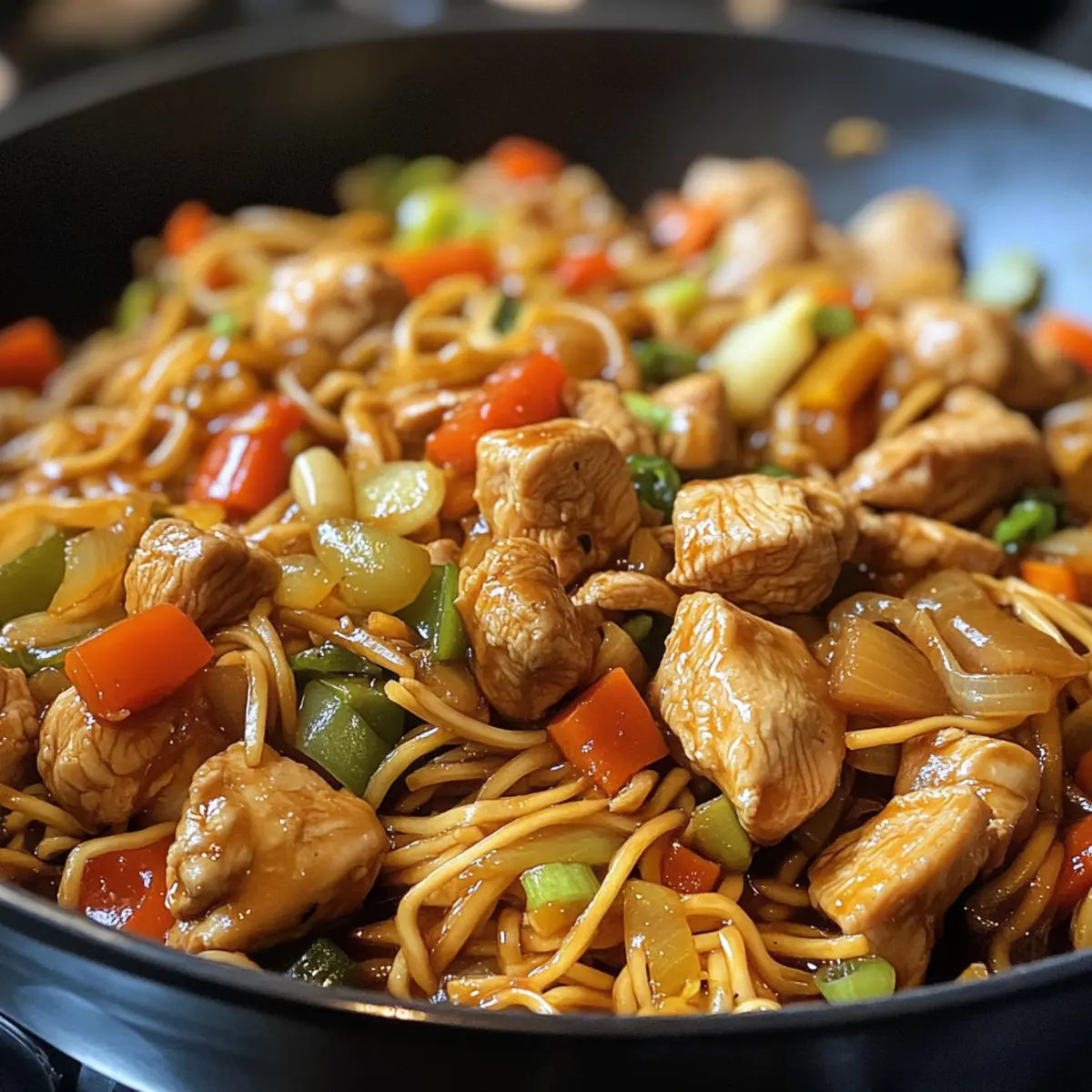
Chicken Chow Mein Recipe FAQs
What type of chow mein noodles should I use?
Absolutely! For the best texture, I recommend using fresh chow mein noodles, as they give that delightful chewiness. If fresh isn’t available, you can opt for dried noodles; just make sure to cook them slightly less than the package instructions suggest, usually 1-2 minutes undercooked. This helps maintain the ideal noodle consistency when stir-frying.
How should I store leftovers?
Leftovers can be stored in an airtight container in the fridge for up to 3 days. If you’re planning to keep them longer, consider freezing. To do so, place the Chicken Chow Mein in a freezer-safe container or bag and freeze for up to 2 months. Be sure to label the container with the date!
Can I freeze Chicken Chow Mein?
Yes, you can! To freeze Chicken Chow Mein, allow it to cool completely once cooked. Then transfer it into a freezer-safe container or zip-top bag, removing as much air as possible. Freeze for up to 2 months. When ready to enjoy, thaw overnight in the fridge before reheating in a skillet, adding a splash of broth to restore moisture and texture.
What can I substitute if I have food allergies?
Very! If you’re concerned about food allergies, there are several substitutions you can make. For the oyster sauce, try using a vegetarian oyster sauce or a combination of soy sauce and hoisin sauce for a similar flavor. If you’re allergic to gluten, look for gluten-free soy sauce and ensure your noodles are also gluten-free. Feel free to swap the chicken for tofu or shrimp to suit your dietary preferences!
How do I know if my vegetables are fresh enough?
To ensure that your vegetables are fresh and vibrant, look for signs such as firm textures and bright colors. Avoid any with dark spots or wilting leaves, especially the shredded cabbage and carrots, which should snap when you break them. This ensures you’re using the freshest ingredients for your Chicken Chow Mein!
What if my chow mein ends up too saucy?
Absolutely! If you find your Chicken Chow Mein too saucy, don’t worry! The simplest fix is to stir-fry it a little longer over medium-high heat to allow some of the sauce to evaporate and thicken. Alternatively, you can add more noodles or vegetables to balance the ratio. Just toss everything together and enjoy the enhanced flavors!
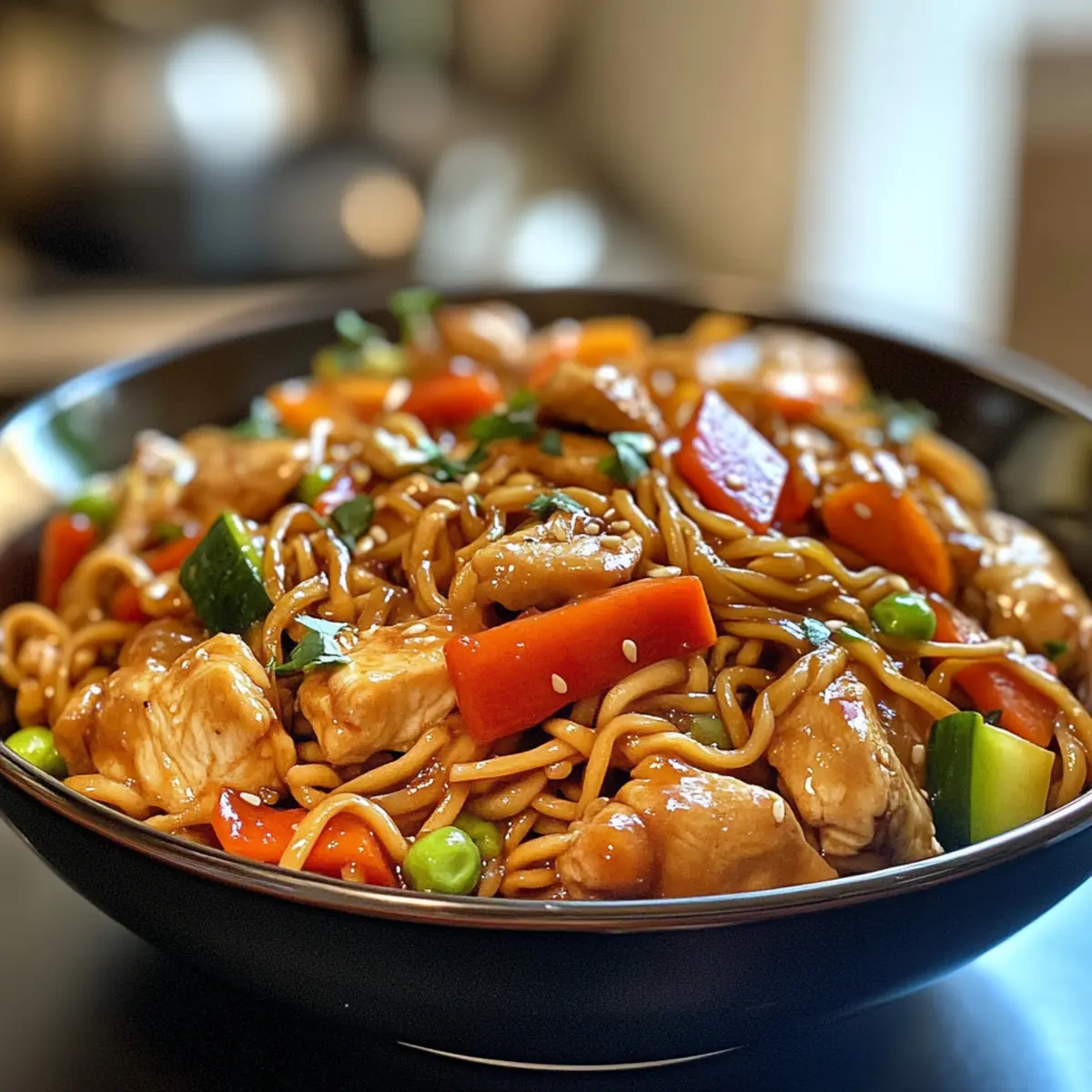
Savory Chicken Chow Mein: Your Favorite Homemade Takeout
Ingredients
Equipment
Method
- Begin by slicing boneless chicken breast or thighs into thin strips. In a mixing bowl, combine the chicken with Shaoxing wine, cornstarch, and a pinch of salt. Let it marinate for about 15 minutes.
- In a separate bowl, whisk together the chicken broth, additional Shaoxing wine, oyster sauce, soy sauce, sugar, white pepper, and sesame oil until well blended.
- Bring a large pot of water to a boil. Add the chow mein noodles and cook according to package instructions for about 3-5 minutes. Drain and rinse briefly under cold water.
- Heat a tablespoon of peanut oil in a skillet over medium-high heat. Add the marinated chicken and cook for about 5 minutes until browned and cooked through. Remove and set aside.
- In the same skillet, add more oil if needed, and sauté minced garlic and grated ginger for 30 seconds.
- Add the shredded cabbage and julienned carrots, sauté for 3-4 minutes until they start to soften.
- Return the cooked chicken to the skillet, add the rinsed chow mein noodles, and pour over the prepared sauce. Toss gently for about 2 minutes.
- Sprinkle sliced Anaheim pepper and chopped green onions over the stir-fry, stirring to incorporate. Cook for an additional minute and serve.
Leave a Reply