
In a bustling kitchen filled with the tantalizing scent of garlic and spices, I found myself on a mission to create a comforting dinner that would break the monotony of takeout. Enter my Creamy Gochujang Udon Noodles, where tender udon noodles wrap themselves in a luscious, garlicky sauce that boasts a delightful kick. This quick dinner idea is perfect for those chaotic weeknights when you crave something warm, flavorful, and utterly satisfying. Not only does it come together in just 20 minutes, but it also allows room for creativity—if you’re feeling adventurous, toss in some sautéed veggies or your favorite protein. Are you ready to elevate your weeknight meals with this spicy twist?
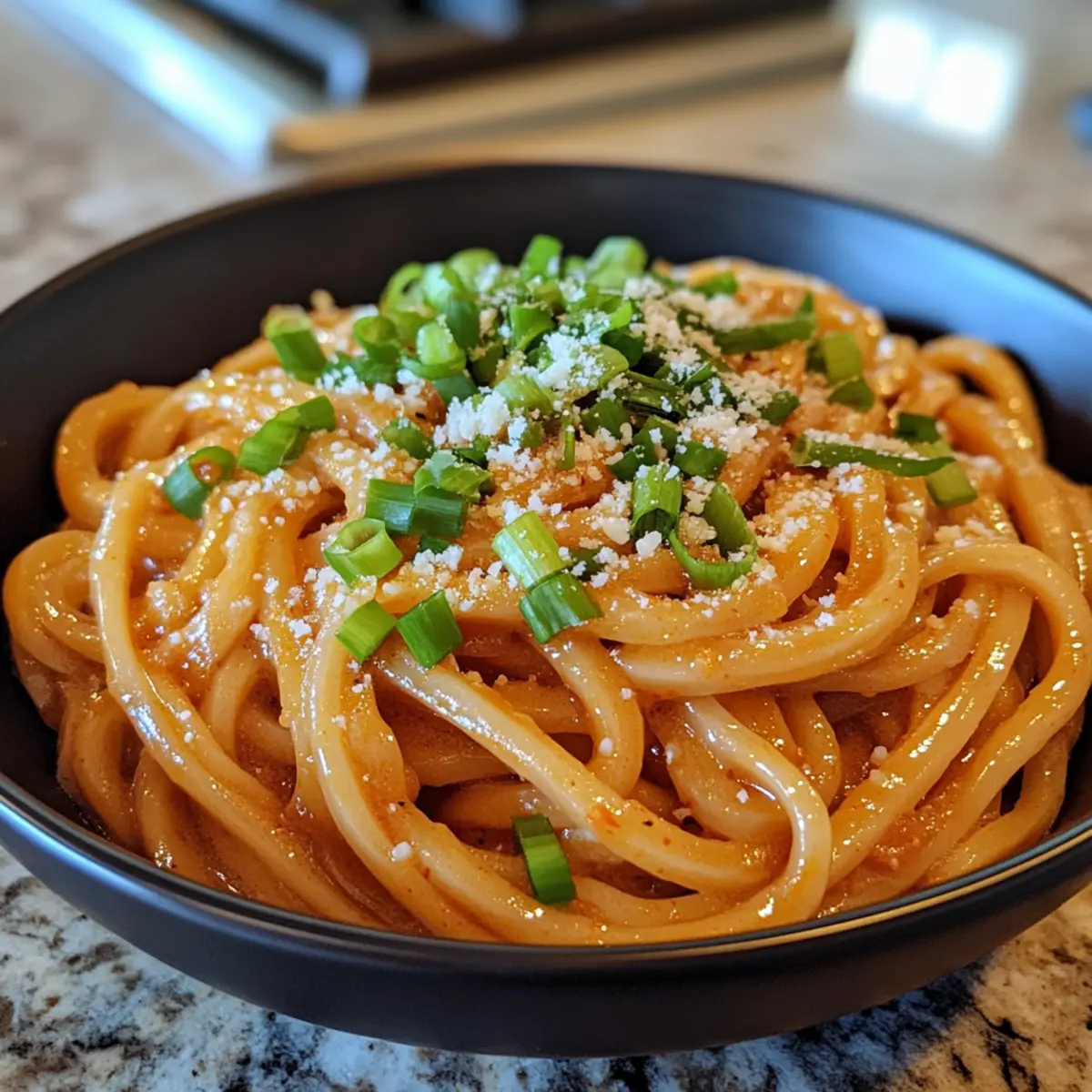
Why Love Gochujang Udon Noodles?
Quick and Easy: This recipe comes together in just 20 minutes, making it your go-to for busy weeknights.
Flavor Explosion: Each bite is a delightful mix of spicy, creamy, and savory thanks to the rich gochujang sauce.
Versatile Base: Feel free to customize your bowl with fresh veggies or your choice of protein—chicken, tofu, or shrimp!
Fusion Delight: Experience a unique twist on classic comfort food, combining Korean flavors with traditional udon noodles.
Crowd-Pleasing: Great for family dinners or impressing friends, these noodles are sure to become a favorite. Pair them with a simple side salad or some kimchi for a complete meal experience!
Gochujang Udon Noodles Ingredients
For the Noodles
• Frozen Udon Noodles – The heart of this dish, providing a chewy base that soaks up all the flavors.
For the Sauce
• Butter – Adds a rich, creamy texture; use olive oil for a dairy-free option.
• Garlic (minced) – Fresh garlic brings aromatic depth; don’t opt for powdered.
• Shallots (chopped) – Sweet and mild, they enhance the sauce perfectly; you can substitute with onions if needed.
• Gochujang – The star of the sauce, offering both spice and sweetness; there’s no great substitute, but sriracha can work if you adjust the amount.
• Heavy Cream – Delivers that luxurious creaminess; replace it with coconut cream for a dairy-free richness.
• Soy Sauce – Infuses umami and depth; opt for tamari if you’re keeping it gluten-free.
• Gochugaru – Adds extra heat and color; crushed red pepper flakes can be used in its place, though flavors will vary.
For the Finish
• Parmesan Cheese (grated) – An optional topping that adds richness; feel free to skip it for a dairy-free version.
• Green Onion (chopped) – Provides a fresh bite and a pop of color; chives can be a tasty alternative if you’re out.
• Egg Yolk – For an extra creamy touch, mix it in before serving; simply omit if you’re going vegan.
Elevate your dinner with these Gochujang Udon Noodles that promise a delightful fusion of flavors and comfort!
Step‑by‑Step Instructions for Gochujang Udon Noodles
Step 1: Prepare Noodles
Begin by cooking the frozen udon noodles according to the package instructions, usually around 3-5 minutes in boiling water. Once cooked, reserve ½ cup of the noodle water for later, then drain the noodles and rinse them under cold water to stop the cooking process. This will help them maintain their delightful chewy texture.
Step 2: Sauté Aromatics
In a large skillet or pan, melt 2 tablespoons of butter over medium heat. Add 2 cloves of minced garlic and 1 chopped shallot to the pan, stirring frequently, until the garlic becomes fragrant and the shallots are translucent, about 2-3 minutes. Be careful not to let the garlic brown, as this can lead to bitterness in your creamy gochujang udon noodles.
Step 3: Make Sauce
Stir in 3 tablespoons of gochujang into the sautéed garlic and shallots, cooking for 30 seconds to release its spicy aroma. Gradually add in ½ cup of heavy cream and the reserved noodle water, whisking continuously to create a smooth sauce. Next, pour in 1 tablespoon of soy sauce and 1 teaspoon of gochugaru, letting the mixture simmer for 2-3 minutes until it thickens to a luxurious consistency.
Step 4: Combine
Once the sauce has reached the desired thickness, add the cooked udon noodles directly into the skillet. Toss the noodles gently, ensuring they are completely coated in the creamy gochujang sauce. This step is crucial as you want every noodle to absorb the rich flavors, creating a comforting dish that is both spicy and savory.
Step 5: Serve
Transfer the luscious gochujang udon noodles into bowls, and for added richness, top with grated Parmesan cheese, chopped green onions, and a raw egg yolk if desired. Serve immediately while hot, allowing the vibrant flavors and comforting textures to provide a satisfying dining experience.
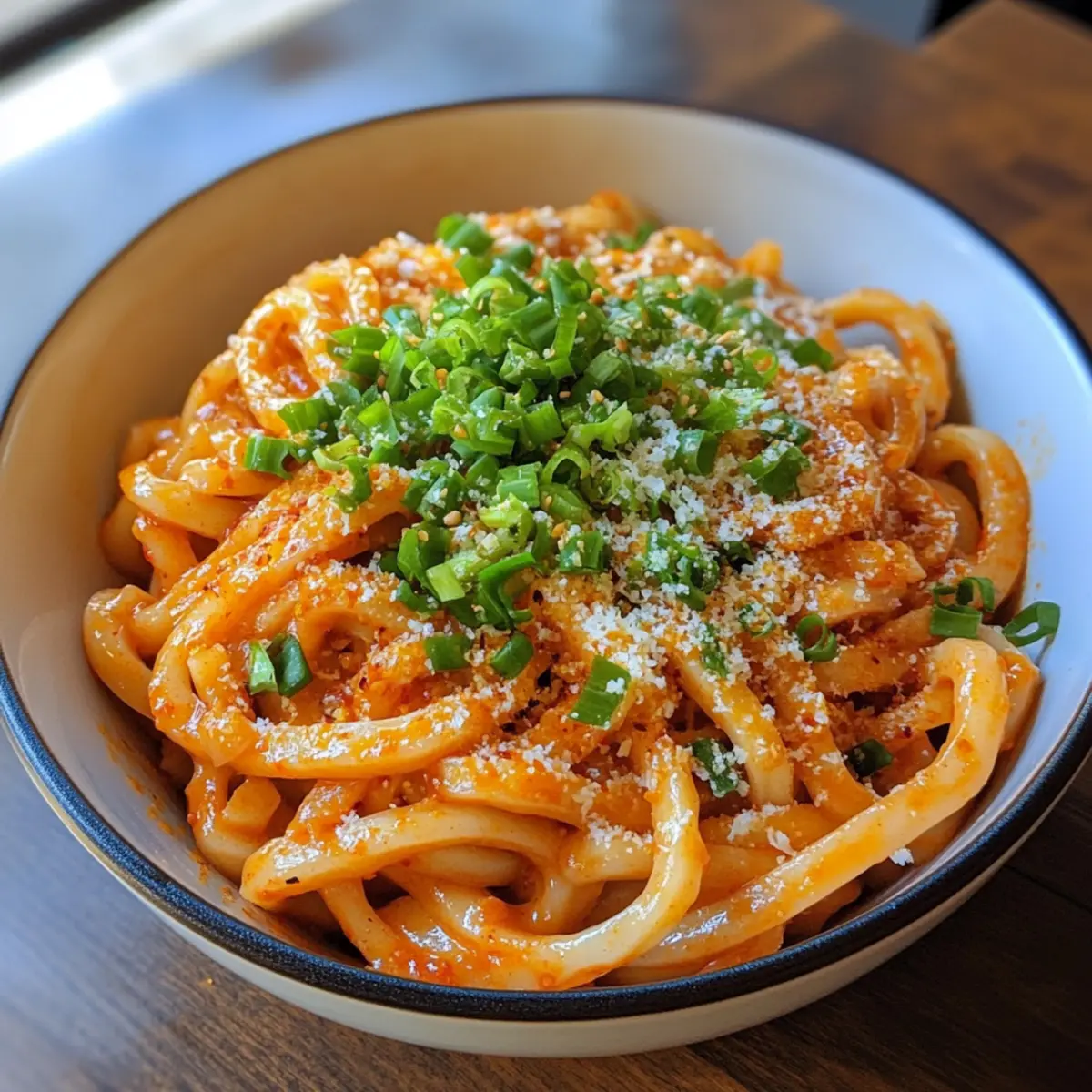
Make Ahead Options
These Creamy Gochujang Udon Noodles are perfect for busy home cooks looking to save time during hectic weeknights! You can prepare the sauce and cook the udon noodles up to 24 hours in advance. Store the sauce in an airtight container in the refrigerator and keep the cooked noodles separately to prevent clumping. When you’re ready to serve, simply reheat the sauce gently in a pan, adding a splash of reserved noodle water to maintain its creamy consistency. Toss in the noodles until heated through, and then garnish with green onions and an egg yolk for a delightful finish. Just like that, you’ll have a warm, comforting meal ready in minutes!
What to Serve with Creamy Gochujang Udon Noodles
Elevate your dining experience with perfect pairings that complement the rich, spicy flavors of this delightful dish.
-
Simple Side Salad: A refreshing mix of greens with a light vinaigrette brightens the palate and balances the creamy noodles. Think crisp cucumbers and ripe tomatoes for added freshness.
-
Kimchi: This traditional fermented side adds a zesty kick with probiotic goodness, enhancing the umami and spice of the noodles. Serve a small bowl alongside for an authentic touch.
-
Sesame Broccoli: Lightly steamed or sautéed broccoli with a sprinkle of sesame seeds provides a crunchy contrast and boosts nutrition with vibrant green color. The nuttiness works beautifully with the creamy sauce.
-
Spicy Pickled Radishes: These crunchy little bites add a tangy, refreshing crunch that cuts through the heat, making them the perfect counterpart to the udon noodles. They’ll wake up your taste buds with every bite!
-
Crispy Tofu: For a protein-packed option, toss in crispy tofu cubes that absorb the creamy sauce while providing a satisfying texture. A sprinkle of sesame oil can elevate the dish even further.
-
Chilled Sake: A glass of chilled sake offers a lovely contrast to the spiciness of the dish. Its subtle sweetness and warmth will transport your tastebuds on a delightful journey.
-
Fruit Sorbet: Finish your meal with a light, refreshing dessert like a fruit sorbet. The coolness and sweetness of sorbet act as a delightful palate cleanser after the spicy noodles.
-
Garlic Breadsticks: Soft, buttery breadsticks paired with a hint of garlic complement the noodles perfectly, offering a crunchy, comforting addition to every meal.
Expert Tips for Gochujang Udon Noodles
- Mind the Heat: Start with less gochujang if you’re unsure about spice levels, adding more gradually to avoid overwhelming heat.
- Prevent Burning: Always melt the butter before adding garlic to prevent it from burning and becoming bitter; stir frequently.
- Thicken Wisely: Maintain a gentle simmer when thickening the sauce; avoid boiling to keep the sauce rich and creamy without separation.
- Noodle Water Rescue: Reserve and use that noodle water to adjust the sauce consistency easily; it’s a secret weapon for creamy perfection.
- Customize Freely: Feel free to add vegetables or proteins; this is a versatile dish where you can personalize your gochujang udon noodles!
Gochujang Udon Variations
Feel free to let your creativity soar and customize these delicious noodles to suit your taste!
-
Veggie Boost: Add fresh spinach or bell peppers for vibrant color and extra nutrition. They’ll sauté beautifully, adding both crunch and freshness to each bite.
-
Protein Power: Toss in cooked chicken, tofu, or shrimp to elevate the dish into a satisfying, heartier meal. The added protein blends seamlessly with the creamy sauce, making a fulfilling dinner.
-
Spice Adjustment: If heat isn’t your thing, reduce the gochujang or swap it for a milder chili paste. You’ll still enjoy a flavorful experience without overwhelming spice!
-
Noodle Variation: Swap udon for other noodles like soba or rice noodles for a different texture. Each type will introduce a unique flavor profile while still working wonderfully with the gochujang sauce.
-
Herb Infusion: Experiment with fresh herbs like basil or cilantro to add a fragrant kick. This enhances the dish and introduces fresh notes that brighten every mouthful.
-
Nutty Finish: Sprinkle some toasted sesame seeds on top before serving for a pleasing crunch and a nutty aroma that elevates the overall experience.
-
Coconut Creamy: For a dairy-free option, replace heavy cream with coconut cream in the sauce. This substitution provides a delightful tropical flavor that complements the spice beautifully.
-
Asian Fusion: Serve your gochujang udon noodles with a side of Sticky Beef Noodles or Yaki Udon Noodle for a delicious family feast. Each dish can complement the other, creating an exciting dining adventure!
Storage Tips for Gochujang Udon Noodles
Fridge: Store any leftovers in an airtight container for up to 3 days. This keeps your gochujang udon noodles fresh and ready for a quick meal!
Freezer: Freeze portions in airtight containers for up to 2 months. Defrost in the refrigerator before reheating for the best texture.
Reheating: Gently reheat noodles in a pan with a splash of water or broth. This helps to restore creaminess and prevent drying out. Enjoy your delicious noodles once more!
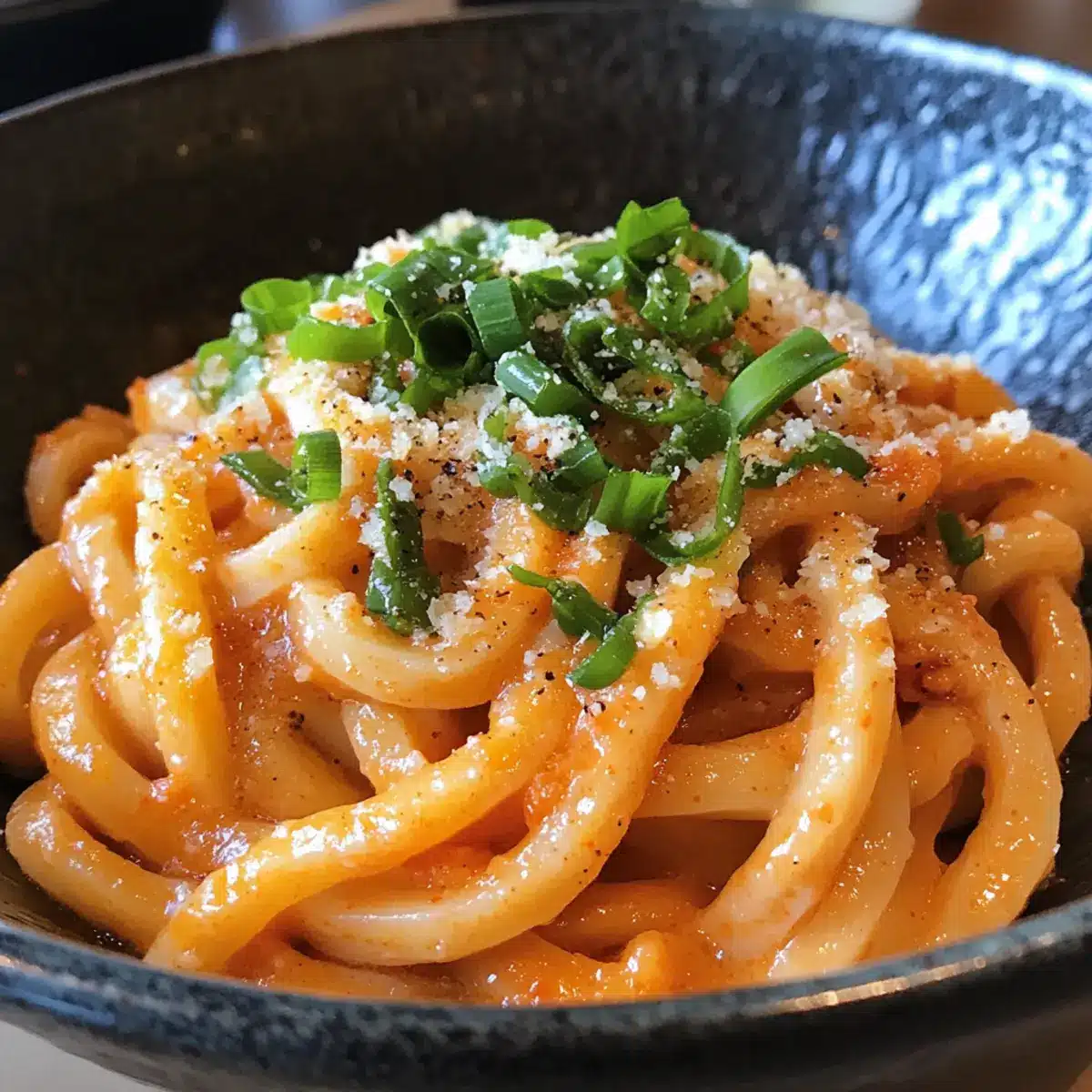
Gochujang Udon Noodles Recipe FAQs
How do I choose the best gochujang for my noodles?
Absolutely! When selecting gochujang, look for one that has a vibrant red color and a balanced flavor of sweet and spicy. Read the label for quality ingredients; I’d recommend a brand that uses natural fermentation for depth of flavor. If you’re sensitive to heat, try a mild variety or start with a smaller amount to gauge your spice tolerance.
How should I store leftover gochujang udon noodles?
Very! To keep your leftovers fresh, store them in an airtight container in the refrigerator for up to 3 days. For the best results, reheat gently in a pan with a splash of water to restore that creamy texture; this avoids making your noodles dry or clumpy.
Can I freeze my gochujang udon noodles?
Absolutely! You can freeze your prepared gochujang udon noodles in airtight containers for up to 2 months. To do this, let the dish cool completely before portioning it out. When you’re ready to eat, thaw in the refrigerator overnight, then gently reheat in a pan with a bit of water or broth to bring back the creaminess.
What can I do if my sauce is too thick?
If your sauce ends up too thick, don’t worry—it happens! Just add a bit of the reserved noodle water or some regular water, a tablespoon at a time, and stir until you reach the desired consistency. This method not only helps with texture but also redistributes all those delicious flavors throughout the dish.
Is this recipe suitable for those with dietary restrictions?
It’s quite versatile! For a vegan version, you can easily replace the butter with olive oil, heavy cream with coconut cream, and omit the egg yolk. Check your soy sauce for gluten-free options if needed, and you can always skip the Parmesan cheese for a dairy-free treat. Feel free to add in your favorite veggies and proteins to customize it to fit your dietary needs!
How do I know if my garlic and shallots are sautéed correctly?
Great question! You’ll want to sauté them until they are translucent and fragrant, which takes about 2-3 minutes on medium heat. Keep an eye on the garlic in particular—it should not brown, or it can turn bitter. If you notice it starting to brown, simply lower the heat slightly!
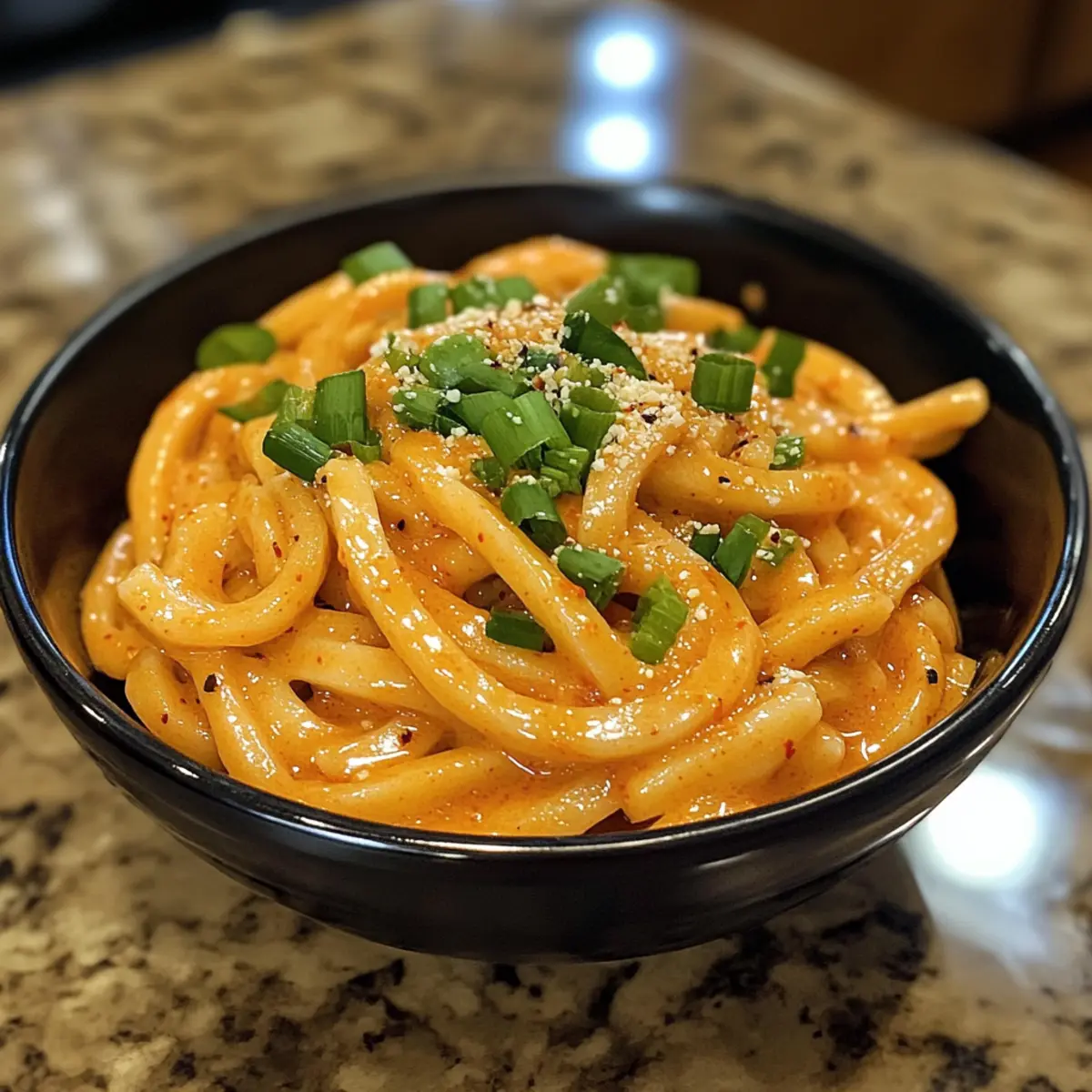
Gochujang Udon Noodles: Spicy Comfort Ready in 20 Minutes
Ingredients
Equipment
Method
- Cook the frozen udon noodles according to package instructions (3-5 minutes in boiling water). Reserve ½ cup noodle water, drain, and rinse noodles under cold water.
- Melt 2 tablespoons of butter in a skillet over medium heat. Add 2 cloves of minced garlic and 1 chopped shallot, stirring until fragrant and translucent (2-3 minutes).
- Stir in 3 tablespoons of gochujang, cooking for 30 seconds. Gradually add ½ cup heavy cream and reserved noodle water, whisking to create a smooth sauce. Stir in 1 tablespoon soy sauce and 1 teaspoon gochugaru, simmering until thickened (2-3 minutes).
- Add cooked udon noodles to the skillet, tossing gently to coat in sauce.
- Serve in bowls, topping with grated Parmesan cheese, chopped green onions, and an egg yolk if desired.
Leave a Reply