
As I stirred the simmering pot, an enticing aroma of umami and warmth enveloped my kitchen, instantly banishing the chill of a late autumn day. This Easy Gyoza Soup, with its delicate dumplings and vibrant vegetables swimming in a savory dashi broth, is my go-to recipe for comfort food that everyone loves. What I adore about this dish is its versatility; you can whip it up in under 30 minutes and easily tailor it for vegan, chicken, or even miso variations to suit your cravings. It’s the perfect antidote to a hectic week and a delightful way to impress friends or simply indulge yourself. Are you ready to discover the secret to creating a soul-soothing bowl of Gyoza Soup that feels like a warm hug?
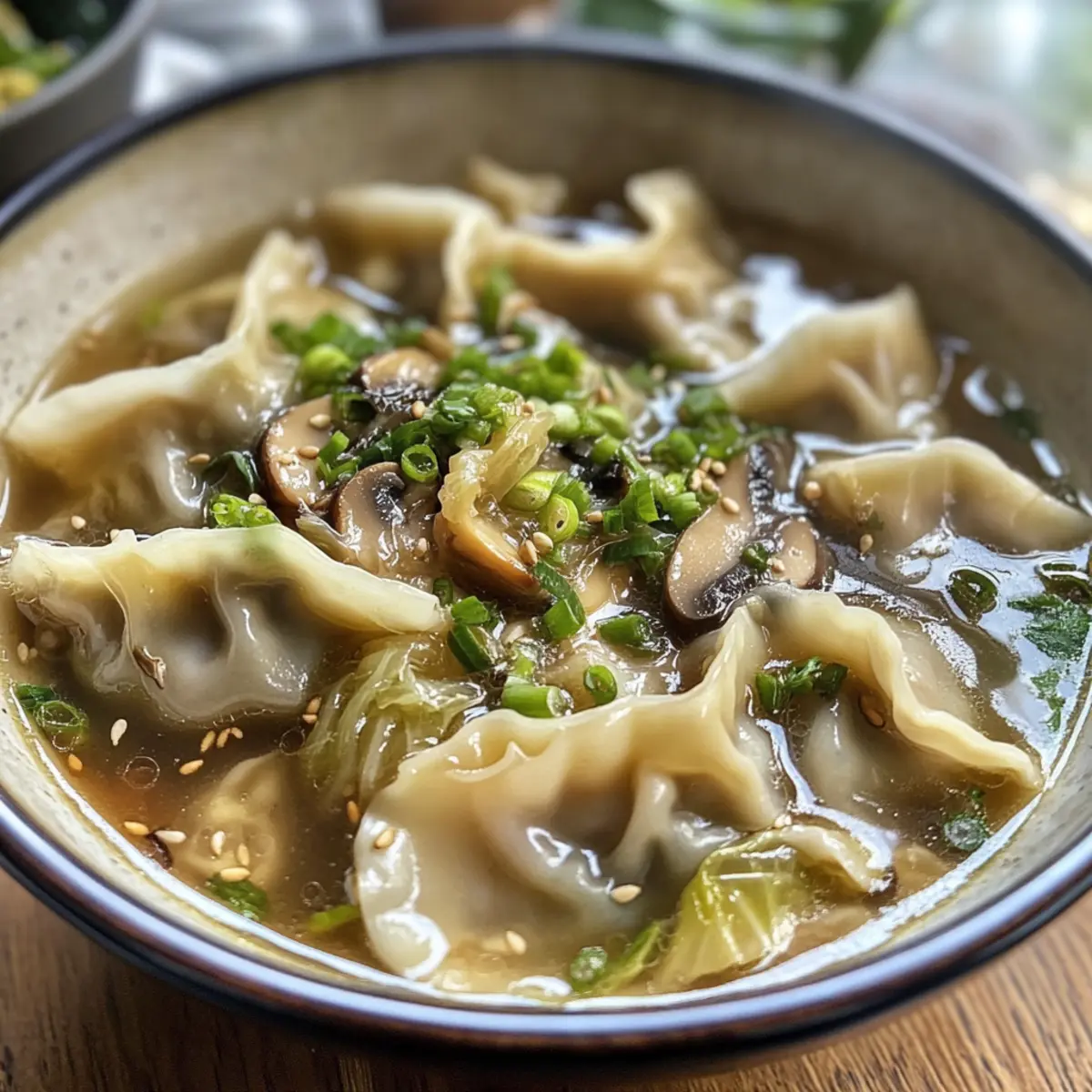
Why is Gyoza Soup so addictive?
Comforting: Gyoza Soup brings a wave of warmth that’s hard to resist, making it the perfect dish for cozy evenings or chilly days.
Quick & Easy: With the wisdom of simple cooking techniques, you can have this delectable soup ready in under 30 minutes—ideal for weeknight meals!
Versatile: Whether you’re craving a vegan twist with vegetable gyoza or the heartiness of chicken dumplings, this recipe adapts wonderfully to your preferences.
Flavor Explosion: The harmonious blend of dashi broth and fresh veggies delivers umami goodness in every spoonful—promise, you won’t want to stop!
Impressive Presentation: This dish is not just delicious; it’s visually appealing too. Serve it up to friends for an impressive meal that sparks joy.
For more warmth in your menu, pair it with Potsticker Soup Warm or complement it with a side of crispy Smashed Cucumber Salad.
Gyoza Soup Ingredients
• Here’s everything you need to create your own comforting bowl of Gyoza Soup!
For the Broth
- Dashi – The base broth that’s essential for authentic flavor; you can substitute with vegetable broth for a vegan version.
- Sake – Adds depth and richness to the broth; if you prefer not to use alcohol, simply omit it but enhance dashi with extra seasoning.
- Soy Sauce – Provides saltiness and umami; opt for tamari to make it gluten-free.
- Salt – Enhances all flavors; adjust according to your taste preference.
For the Vegetables
- Napa Cabbage – Adds texture and sweetness; bok choy or spinach can be used as a tasty variation.
- Shiitake Mushrooms – A flavorful addition that brings earthiness; if you’re looking for a milder taste, button mushrooms work well too.
- Scallions – A fresh garnish that adds brightness; substitute with chives for a gentler flavor.
For the Dumplings
- Gyoza Dumplings – The main component filled with savory ingredients; use homemade or store-bought, making sure they are thawed if frozen.
For Finishing Touches
- Toasted Sesame Oil – Adds nuttiness and aroma; definitely do not substitute as it is essential for authenticity.
Step‑by‑Step Instructions for Gyoza Soup
Step 1: Prepare the Broth
In a medium pot, combine 4 cups of dashi, 1/4 cup of sake, 3 tablespoons of soy sauce, and a pinch of salt. Place the pot over medium-high heat and bring the mixture to a gentle boil, stirring occasionally. As the broth begins to bubble, you’ll notice a lovely aroma filling the air, which sets the stage for a warm bowl of Gyoza Soup.
Step 2: Add the Vegetables
Once the broth is boiling, reduce the heat to a simmer and add 2 cups of chopped napa cabbage, the white parts of 3 scallions, and 1 cup of sliced shiitake mushrooms. Allow the mixture to simmer for about 10 to 12 minutes, or until the cabbage becomes tender and the mushrooms are cooked through. This step not only enhances the broth but also infuses it with vibrant flavors and textures.
Step 3: Boil the Gyoza
While the broth is simmering, bring a separate pot of water to a rolling boil. Carefully add the gyoza dumplings to the pot, making sure to stir gently to prevent sticking. Cook the gyoza for approximately 1 minute or until they float to the surface, indicating they’re ready. Using a slotted spoon, transfer the dumplings to the simmering broth to join the flavorful mix.
Step 4: Cook the Gyoza in the Broth
Let the gyoza simmer in the broth for an additional 2 to 3 minutes. This allows the dumplings to absorb the delicious flavors of the broth while warming through completely. As you watch them continue to cook, the broth will transform into a rich, inviting soup filled with delightful textures.
Step 5: Finish and Serve
Finally, stir in the green parts of the scallions and drizzle in 1 tablespoon of toasted sesame oil to enhance the aroma and nuttiness. Give the soup a gentle stir to combine all the ingredients, then ladle it into bowls. This final touch makes your Gyoza Soup not just visually appealing but also fragrant and imbued with a signature flavor profile that delivers comfort in every sip.
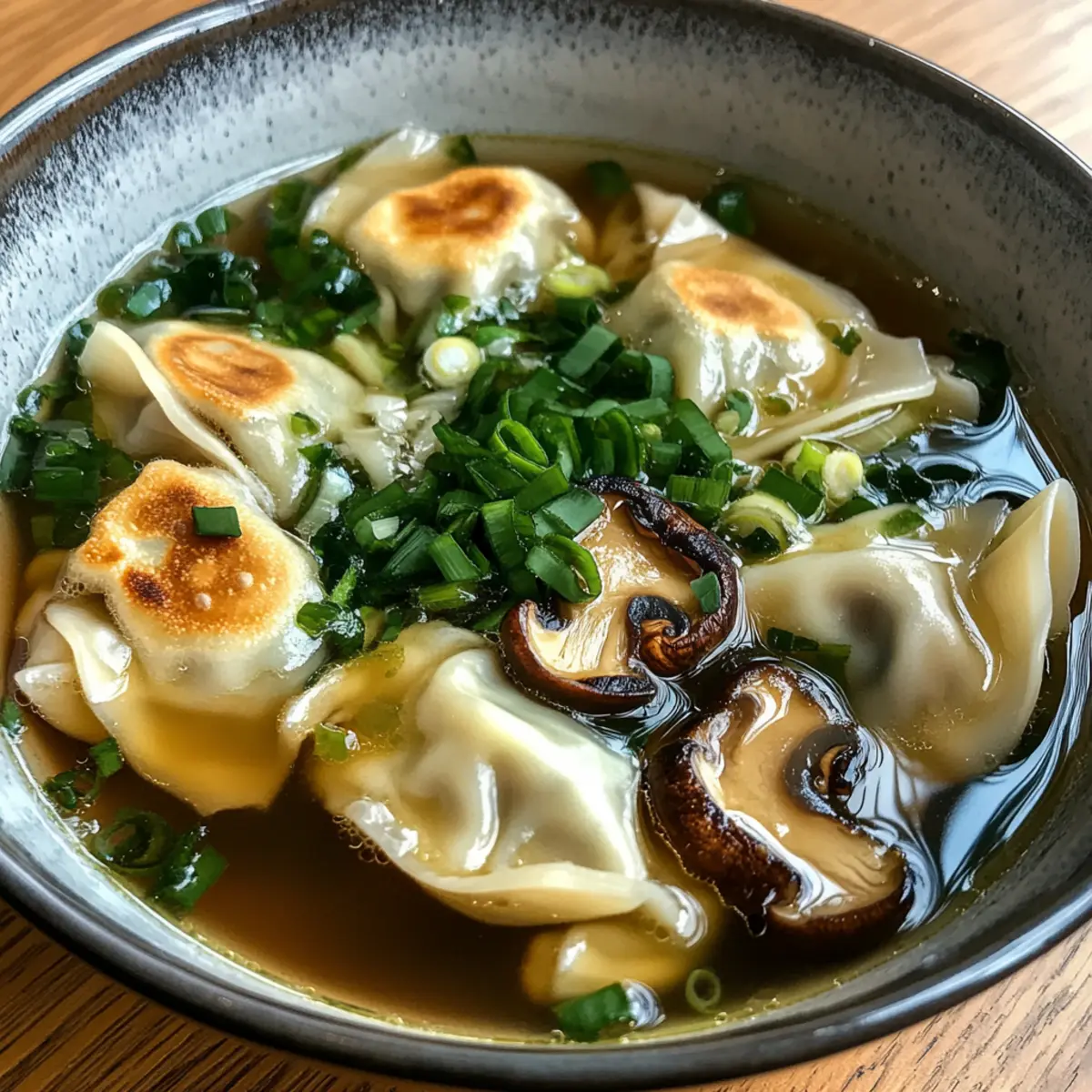
Gyoza Soup Variations & Substitutions
Feel free to explore the delicious possibilities waiting to be discovered in your Gyoza Soup. Each tweak offers a new way to savor this comforting delight!
- Vegan Gyoza: Swap traditional dumplings for vegetable gyoza and use vegetable broth for a wholesome, plant-based option.
- Miso Version: Stir in a tablespoon of miso paste to the broth for an incredible depth of flavor, creating a hearty miso dumpling soup.
- Chicken Gyoza: Use chicken-filled gyoza for a protein-packed twist; simply adjust broth flavors to complement the savory meat.
- Noodle Addition: For a more filling meal, add cooked ramen or soba noodles to the soup—it’s all about heartiness!
- Spicy Kick: Add sliced jalapeños or a dash of chili oil to introduce a delightful heat, perfect for spice lovers.
- Crunchy Toppings: Top your soup with toasted sesame seeds or crispy shallots for an added texture and enhancing flavors.
- Herb Infusion: Fresh herbs like cilantro or basil can sprinkle revitalizing freshness on your soup, tailored to your flavor preferences.
- Citrus Zest: A squeeze of lime or lemon juice can brighten the overall flavor, adding a delightful zing to every spoonful.
Explore your culinary creativity, and if you’re seeking more inspiration, try pairing your gyoza with a comforting side of White Bean Soup or indulge in a flavorful bowl of Garlic Soup Comfort.
What to Serve with Easy Gyoza Soup
When you’re diving into a steaming bowl of gyoza soup, it’s only natural to wonder how to elevate the meal experience even further.
-
Crispy Smashed Cucumber Salad: This refreshing salad contrasts beautifully with the warmth of gyoza soup. The crunch and tanginess provide a bright palate cleanser.
-
Steamed Jasmine Rice: Fragrant jasmine rice serves as a perfect base for soaking up the savory broth, offering a fulfilling and comforting addition to your meal.
-
Edamame with Sea Salt: These light and tasty green soybeans add a fun, protein-packed snack to your meal, rounding out the flavors perfectly.
-
Miso Glazed Eggplant: This sweet and savory dish complements the umami notes in the gyoza broth while providing an elegant touch to your dining experience.
-
Green Tea: A warm cup of green tea not only refreshes but also aids digestion, making it a soothing match for your gyoza soup.
-
Chocolate Mochi Ice Cream: For dessert, the chewy texture of mochi ice cream offers a delightful contrast to the soup, closing the meal on a sweet note.
By pairing these elements, you’ll create a memorable dining experience that complements the comforting flavors of your gyoza soup!
Make Ahead Options
These Easy Gyoza Soup preparations are perfect for saving time on busy weeknights! You can prepare the broth and vegetables up to 3 days in advance by storing them separately in airtight containers in the refrigerator. When ready to serve, simply reheat the broth until simmering, then cook the gyoza as instructed in boiling water before adding them to the soup for a fresh finish. If you freeze the broth, it will keep well for up to 1 month, maintaining its rich flavors. Be sure to thaw overnight in the refrigerator before reheating to ensure just as delightful results. With these make-ahead tips, you’ll enjoy soul-soothing Gyoza Soup with minimal effort!
How to Store and Freeze Gyoza Soup
Fridge: Store leftover Gyoza Soup in an airtight container for up to 3 days. To maintain flavor and texture, keep gyoza and broth separated.
Freezer: If you want to freeze Gyoza Soup, place the broth in one container and the gyoza in another. You can freeze them for up to 3 months.
Reheating: To enjoy your stored Gyoza Soup, reheat the broth first on the stove until bubbling, then add the gyoza to warm through. This ensures a fresh taste and texture.
Pro Tip: Avoid refreezing once thawed to preserve quality; make smaller batches if needed.
Expert Tips for Gyoza Soup
Clear Broth: To keep your broth crystal clear, parboil gyoza separately instead of adding them directly to the soup pot.
Cooking Times: Adjust cooking times based on whether you’re using fresh or frozen gyoza. Frozen dumplings may need a minute more to ensure they’re thoroughly heated.
Storage Strategy: Store gyoza and broth separately to prevent the dumpling wrappers from becoming mushy. Reheat the broth before adding gyoza for the best taste.
Flavor Boost: Don’t skip the toasted sesame oil; it’s essential for an authentic gyoza soup flavor that elevates the entire dish.
Vegetable Options: Feel free to mix up the veggies! Bok choy or spinach can be delicious alternatives to napa cabbage, adding variety to your Gyoza Soup.
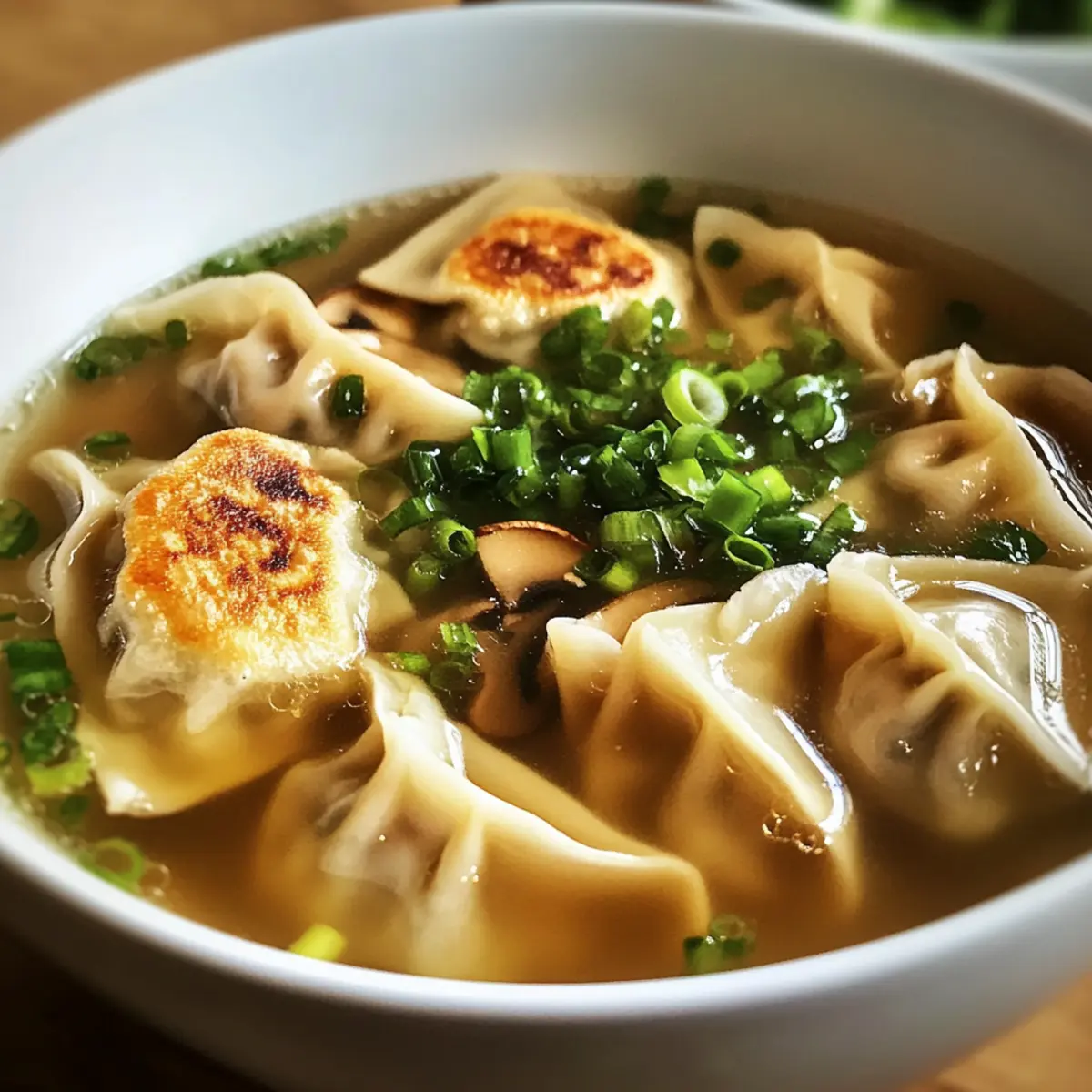
Easy Gyoza Soup Recipe FAQs
What type of dashi should I use?
Opt for a traditional dashi made from kombu (kelp) and bonito flakes, as it provides the most authentic flavor. If you’re preparing a vegan version, a kombu dashi or vegetable stock works wonderfully as a substitute.
How should I store leftovers of Gyoza Soup?
Store leftover Gyoza Soup in an airtight container in the refrigerator for up to 3 days. For best results, keep the gyoza and broth separately, as this prevents the dumpling wrappers from becoming mushy and retains their delightful texture.
Can I freeze Gyoza Soup?
Absolutely! To freeze Gyoza Soup, place the broth in one container and the gyoza in another. Both can be frozen for up to 3 months. When you’re ready to enjoy it, reheat the broth until boiling, then add the gyoza and warm through for the freshest taste.
How can I prevent my broth from becoming cloudy?
To keep the broth clear, I recommend parboiling the gyoza separately in boiling water for about 1 minute before adding them to your soup. This technique helps maintain the broth’s clarity and enhances overall presentation.
Are there any dietary considerations I should be aware of?
Great question! This Gyoza Soup can be easily adapted for various dietary needs. Use gluten-free tamari to make it suitable for a gluten-free diet, or swap the gyoza for vegetable versions for a vegan option. Always check the ingredient labels for any potential allergens.
What if my gyoza are frozen? Can I use them directly in the soup?
If you’re using frozen gyoza, it’s best to thaw them first for even cooking. However, if you’re short on time, you can boil them directly in water until they float (about 1-2 minutes) before transferring them into the broth, ensuring they heat through fully without overcooking.
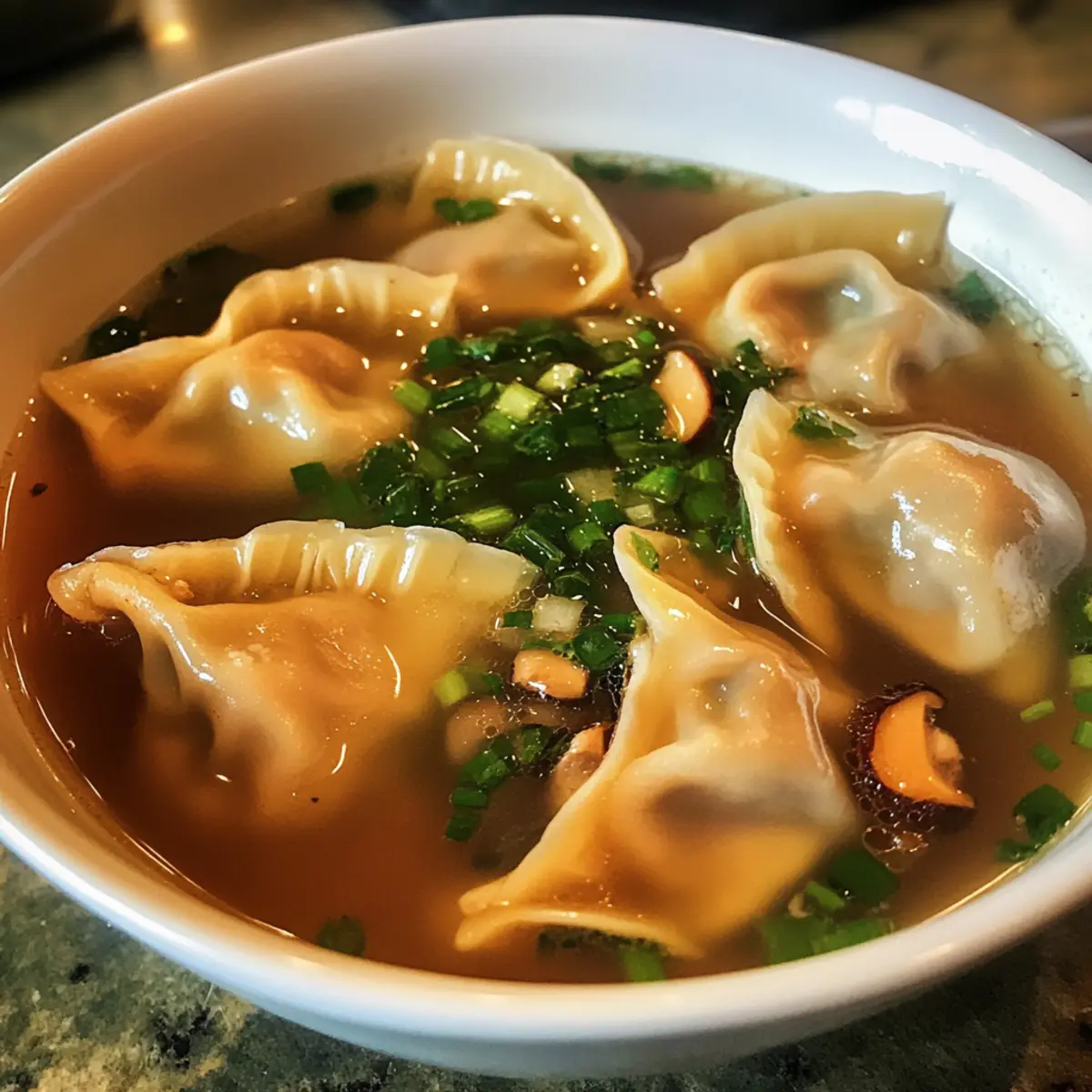
Savory Gyoza Soup: Your New Favorite Comfort Bowl
Ingredients
Equipment
Method
- In a medium pot, combine 4 cups of dashi, 1/4 cup of sake, 3 tablespoons of soy sauce, and a pinch of salt. Bring to a gentle boil over medium-high heat.
- Reduce heat to a simmer and add 2 cups of chopped napa cabbage, white parts of 3 scallions, and 1 cup of sliced shiitake mushrooms. Simmer for 10 to 12 minutes until cabbage is tender.
- In a separate pot, bring water to a rolling boil and cook gyoza for about 1 minute or until they float to the surface. Transfer to the simmering broth.
- Let gyoza simmer in broth for an additional 2 to 3 minutes.
- Stir in green parts of the scallions and drizzle in 1 tablespoon of toasted sesame oil before serving in bowls.
Leave a Reply