
As the cool breeze of autumn sweeps in, there’s nothing quite like curling up with a steaming bowl of Easy Japanese Gyoza Soup. This cozy delight marries tender potsticker dumplings with fresh vegetables in a savory dashi broth that warms you from the inside out. What I love most is how versatile this recipe is; whether you’re craving a comforting chicken version or a vibrant vegan twist, this dish has you covered. Plus, it comes together in no time—perfect for busy weeknights or those moments when you need an extra dose of culinary cheer. Have you ever felt that craving for something truly heartwarming? Let’s dive into this recipe that promises to fill your kitchen with warmth and flavor!
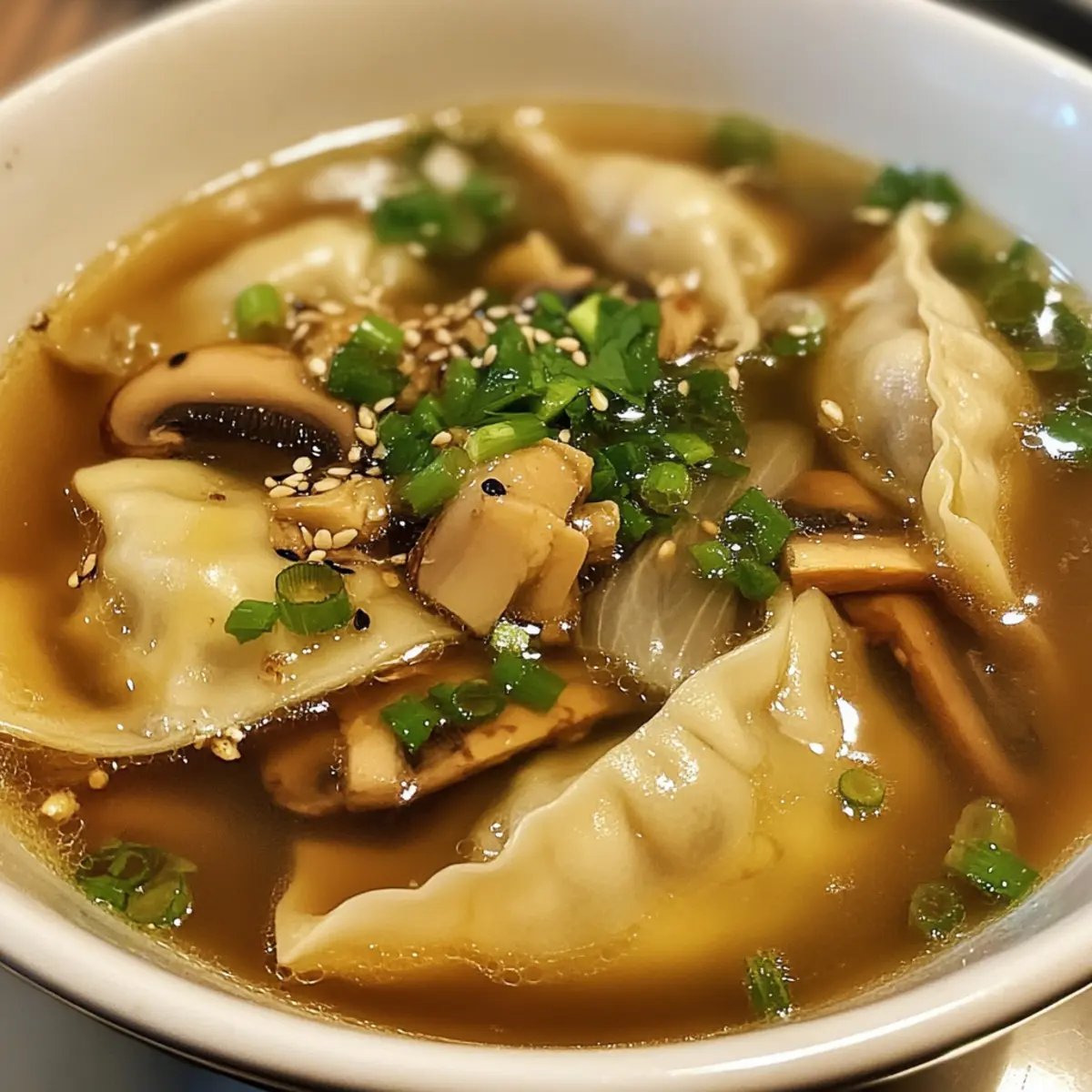
Why is Gyoza Soup so comforting?
Comforting warmth: There’s something magical about a bowl of soup that wraps you in warmth. This Easy Japanese Gyoza Soup offers a cozy embrace with its savory dashi broth and tender dumplings. Quick and easy: Perfect for busy weeknights, this recipe comes together in just minutes without compromising on flavor. Versatile options: Whether you prefer a chicken version or a vibrant vegan twist, the flexibility of this recipe is unmatched. Plus, if you’re looking for a delightful side, consider pairing it with our Smashed Cucumber Salad for a complete meal. Fresh ingredients: Using fresh vegetables like napa cabbage and shiitake mushrooms elevates the taste, making every bite a burst of flavor. Get ready to cozy up with this heartwarming dish!
Japanese Gyoza Soup Ingredients
For the Broth
- Dashi – The base providing rich umami flavor; replace with vegetable stock for a vegan variant.
- Sake – Adds depth and a hint of sweetness; can be omitted for a non-alcoholic version.
- Soy Sauce – Introduces saltiness and umami; adjust to taste based on dietary needs.
- Salt – Enhances the flavor of the broth; use less if using soy sauce.
For the Vegetables
- Napa Cabbage – Provides texture and sweetness; can substitute with bok choy or kale.
- Shiitake Mushrooms – Adds earthy flavor; feel free to use any fresh mushrooms available.
For the Dumplings
- Gyoza Dumplings – The main protein and flavor component; opt for frozen or homemade dumplings.
For Garnish
- Scallions – Offers freshness and a slight onion flavor; use green parts for garnish or substitute with chives.
- Toasted Sesame Oil – A finishing touch that adds nuttiness; regular sesame oil can be used or omitted.
Step‑by‑Step Instructions for Easy Japanese Gyoza Soup
Step 1: Prepare the Broth
In a medium pot, combine 3 cups of dashi, 2 tablespoons of sake, 1 tablespoon of soy sauce, and ¼ teaspoon of salt. Bring the mixture to a boil over medium-high heat, stirring occasionally to blend the flavors. You should see gentle bubbles forming; this signals that your savory dashi broth is ready for the next ingredients.
Step 2: Add Vegetables
Once the broth is boiling, add 150 grams of chopped napa cabbage, the white parts of the scallions, and 50 grams of sliced shiitake mushrooms. Reduce the heat to medium and let it simmer for about 10-12 minutes. The cabbage should become tender and slightly translucent, creating a beautiful color contrast with the earthy mushrooms in your Japanese Gyoza Soup.
Step 3: Cook the Dumplings
While the broth is simmering, bring a large pot of water to a rolling boil. Carefully add 12 gyoza dumplings to the pot, stirring gently to prevent them from sticking together. After about 1 minute, the dumplings will float to the surface, indicating they’re cooked through. Use a slotted spoon to transfer them into the soup, ensuring they maintain their shape and flavor.
Step 4: Final Cooking
Now, let the dumplings simmer in the broth for an additional 2-3 minutes. This step allows the flavors to meld beautifully, and you’ll notice the broth becoming even more savory. Keep an eye on the dumplings; they should be plump and juicy, ready to provide that delightful burst of flavor with every spoonful of your Japanese Gyoza Soup.
Step 5: Finish the Soup
Remove the pot from heat and stir in 30 grams of sliced scallions and 1 teaspoon of toasted sesame oil. The scallions will add a fresh crunch, while the sesame oil imparts a lovely nuttiness to the dish. Serve your Easy Japanese Gyoza Soup hot, garnishing with extra scallions if desired, for an inviting and heartwarming meal.
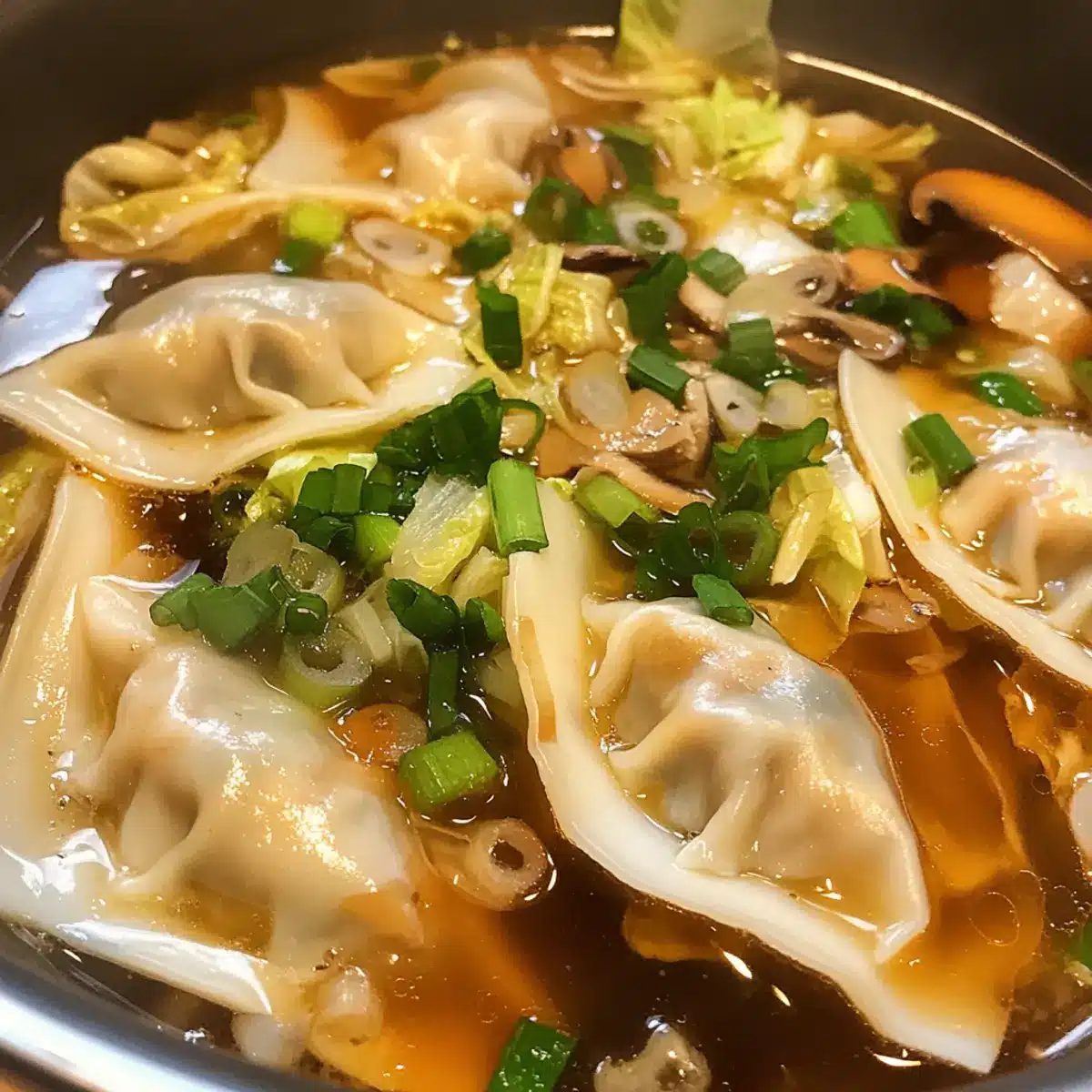
Japanese Gyoza Soup Variations
Feel free to play around with the ingredients and make this comforting soup your own!
-
Vegan Version: Swap out gyoza for vegetable gyoza and use vegetable stock instead of dashi for a plant-based delight. This way, you still get all the heartwarming flavors without any animal products!
-
Chicken Gyoza Soup: Utilize chicken stock in place of dashi and fill your gyoza with chicken. It adds a deliciously rich flavor that’s perfect for cozy nights.
-
Noodle Addition: Boost heartiness by adding cooked udon, ramen, or rice noodles to the soup. The noodles soak up that savory broth, turning your meal into a fulfilling feast.
-
Spicy Twist: Add a splash of chili oil or a pinch of red pepper flakes while cooking the broth. This gives your soup a gentle heat that warms you right up!
-
Herbal Infusion: Toss in a few sprigs of fresh herbs like cilantro or Thai basil just before serving. The vibrant flavors elevate the dish and create a refreshing twist.
-
Umami Boost: Stir in a tablespoon of miso paste into your broth for an added layer of complexity and depth. It’s an effortless way to enhance flavors.
-
Veggie Medley: Feel free to mix in other fresh vegetables like bok choy, snap peas, or mushrooms. Experimenting with seasonal produce not only tastes great but adds nutritional value.
-
Savory Bean Addition: For an extra protein punch, consider adding canned white beans or edamame into the mix. They pair beautifully with the gyoza and add a creamy texture.
If you need more inspiration for wholesome soups, don’t forget to explore our White Bean Soup and Garlic Soup Comfort options. Each one holds its own soothing warmth that brings comfort to your dining table!
Expert Tips for Easy Japanese Gyoza Soup
-
Dashi Quality Matters: High-quality dashi enhances the soup’s flavor. If you’re short on time, a good store-bought brand will work, but homemade is always best for your Japanese Gyoza Soup.
-
Prevent Sticking: When cooking dumplings, stir gently to prevent them from sticking together. This will ensure your gyoza stay intact and flavorful in the broth.
-
Texture Maintenance: Store the gyoza and broth separately if you plan to enjoy leftovers. This prevents the dumplings from getting too mushy when reheating.
-
Taste As You Go: Adjust the soy sauce and salt according to your preference. This flexibility allows you to customize your Japanese Gyoza Soup to fit your taste perfectly.
-
Bulk It Up: For a heartier meal, add cooked noodles like udon or ramen in that final cooking step. It’ll transform your soup into a filling dish that warms you even more on chilly days.
Storage Tips for Japanese Gyoza Soup
Fridge: Store leftover soup in an airtight container for up to 3 days. Keep the broth and gyoza separate to maintain texture.
Freezer: For longer storage, freeze the broth and dumplings individually in airtight containers for up to 2 months. This keeps both components fresh and flavorful.
Reheating: Heat the broth in a pot over medium heat until simmering. Add gyoza to the hot broth and heat for 2-3 minutes before serving to ensure they are thoroughly warmed.
Preparation Tip: When preparing to store, allow the soup to cool completely before placing it in the fridge or freezer. This helps prevent ice crystals and maintains the quality of your delicious Japanese Gyoza Soup.
What to Serve with Easy Japanese Gyoza Soup
Cozy up your dinner table with delightful pairings that perfectly complement a soul-warming bowl of soup.
-
Steamed Rice: The light, fluffy texture of steamed rice soaks up the savory broth, enhancing every delicious bite.
-
Smashed Cucumber Salad: This refreshing salad offers a crunchy contrast, balancing the warm soup’s comforting flavors beautifully. Its zesty vinaigrette adds a pop of brightness that’s irresistible.
-
Seaweed Salad: With its umami depth and chewy texture, seaweed salad brings a touch of the ocean, complementing the gyoza’s flavor while adding a refreshing brininess.
-
Japanese Pickles: Bright, tangy pickled vegetables cleanse the palate wonderfully, making each spoonful of the gyoza soup even more enjoyable.
-
Tempura Vegetables: Crispy tempura adds a delightful crunch and freshness to the meal, creating a satisfying textural contrast to the soup’s warmth. Serve with a dipping sauce for extra flavor!
-
Green Tea: A cup of fragrant green tea brings a soothing note to your meal, enhancing the soup experience with its herbal warmth.
Make Ahead Options
These Easy Japanese Gyoza Soup components can be prepped ahead for a hassle-free dinner on busy nights! You can prepare the dashi broth and refrigerate it for up to 3 days in an airtight container. For the dumplings, cook and store them separately in the fridge for up to 24 hours to avoid them becoming mushy. When you’re ready to enjoy the soup, simply reheat the broth in a pot over medium heat, add the dumplings, and simmer for 2-3 minutes until heated through. This way, you’ll get that fresh, comforting taste without any stress, making your weeknight meal just as delicious as freshly made!
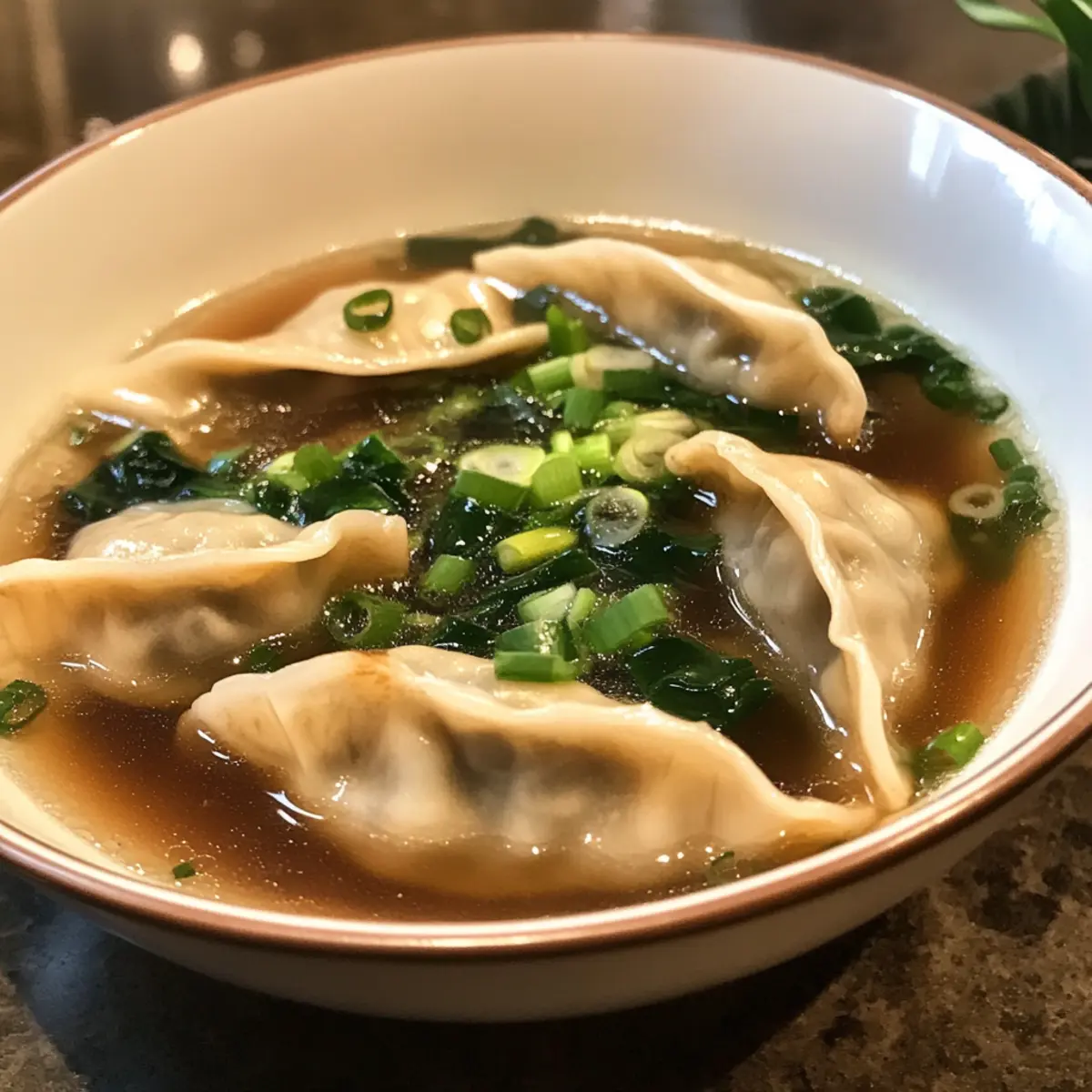
Easy Japanese Gyoza Soup Recipe FAQs
What type of dashi should I use for the soup?
Absolutely! The dashi is the heart of this soup, providing that rich umami flavor. For the best results, opt for high-quality dashi, preferably homemade if time permits. If you’re in a pinch, a good store-bought version can work just fine. For a vegan alternative, simply replace it with vegetable stock!
How long can I store the soup after making it?
Very! You can store leftover Japanese Gyoza Soup in an airtight container in the fridge for up to 3 days. Just be sure to keep the broth and dumplings separate to maintain their textures. When you’re ready to enjoy it again, simply reheat the broth and add in the dumplings—easy peasy!
Can I freeze gyoza soup for later?
Certainly! For longer storage, you can freeze the broth and dumplings separately. Place each in airtight containers and they’ll keep well for up to 2 months. When you’re ready for a comforting meal, just reheat the broth until simmering and add the frozen dumplings, cooking them for 2-3 minutes until heated through.
What should I do if my broth turns cloudy?
No worries! If your broth becomes cloudy while cooking, this often happens when the dumplings are boiled in the same pot as the broth. To prevent this, always cook dumplings in a separate pot of boiling water first. As they float, just transfer them to your broth gently, and you’ll have a clear, beautiful soup!
Are there any common allergens in this recipe?
Yes, it is essential to consider dietary restrictions. This recipe includes soy sauce, which contains soy—an allergen for some. Make sure to use a gluten-free soy sauce if you’re avoiding gluten. For vegans, ensure that the gyoza dumplings don’t have any meat or animal products. Always check labels for allergens specific to your dietary needs!
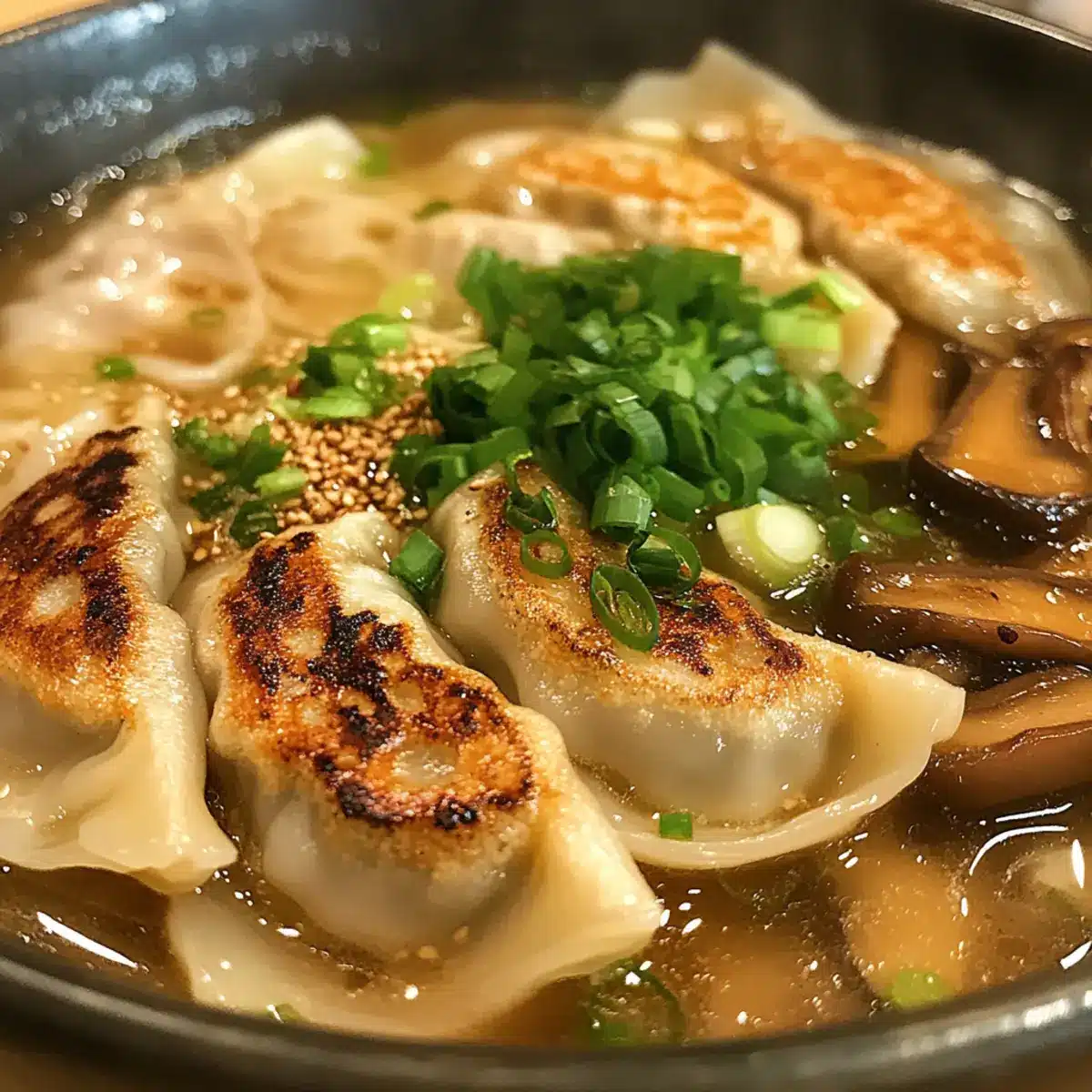
Cozy Up with Warm Japanese Gyoza Soup in Minutes
Ingredients
Equipment
Method
- In a medium pot, combine 3 cups of dashi, 2 tablespoons of sake, 1 tablespoon of soy sauce, and ¼ teaspoon of salt. Bring the mixture to a boil over medium-high heat, stirring occasionally.
- Once the broth is boiling, add 150 grams of chopped napa cabbage, the white parts of the scallions, and 50 grams of sliced shiitake mushrooms. Reduce the heat to medium and let it simmer for 10-12 minutes.
- While the broth is simmering, bring a large pot of water to a rolling boil. Carefully add 12 gyoza dumplings and stir gently. After 1 minute, transfer them into the soup.
- Let the dumplings simmer in the broth for an additional 2-3 minutes, allowing the flavors to meld.
- Remove from heat and stir in 30 grams of sliced scallions and 1 teaspoon of toasted sesame oil. Serve hot, garnishing with extra scallions if desired.
Leave a Reply