
As I savored the last bite of my first spring meal, a smile crept across my face—this was the taste of freshness I had been waiting for all winter. Our Creamy Spring Pasta Primavera Recipe brings the vibrance of the season right to your table, featuring an irresistible mix of tender asparagus, sweet peas, and juicy cherry tomatoes that come alive in a rich Parmesan sauce. Not only is this dish a feast for the eyes with its colorful veggies, but it’s also a fantastic quick-prep option for busy weeknights or a delightful centerpiece for special gatherings. Customizable and vegetarian-friendly, there’s a little something here for everyone. Are you ready to whip up a dish that embodies the spirit of spring? Let’s dive in!
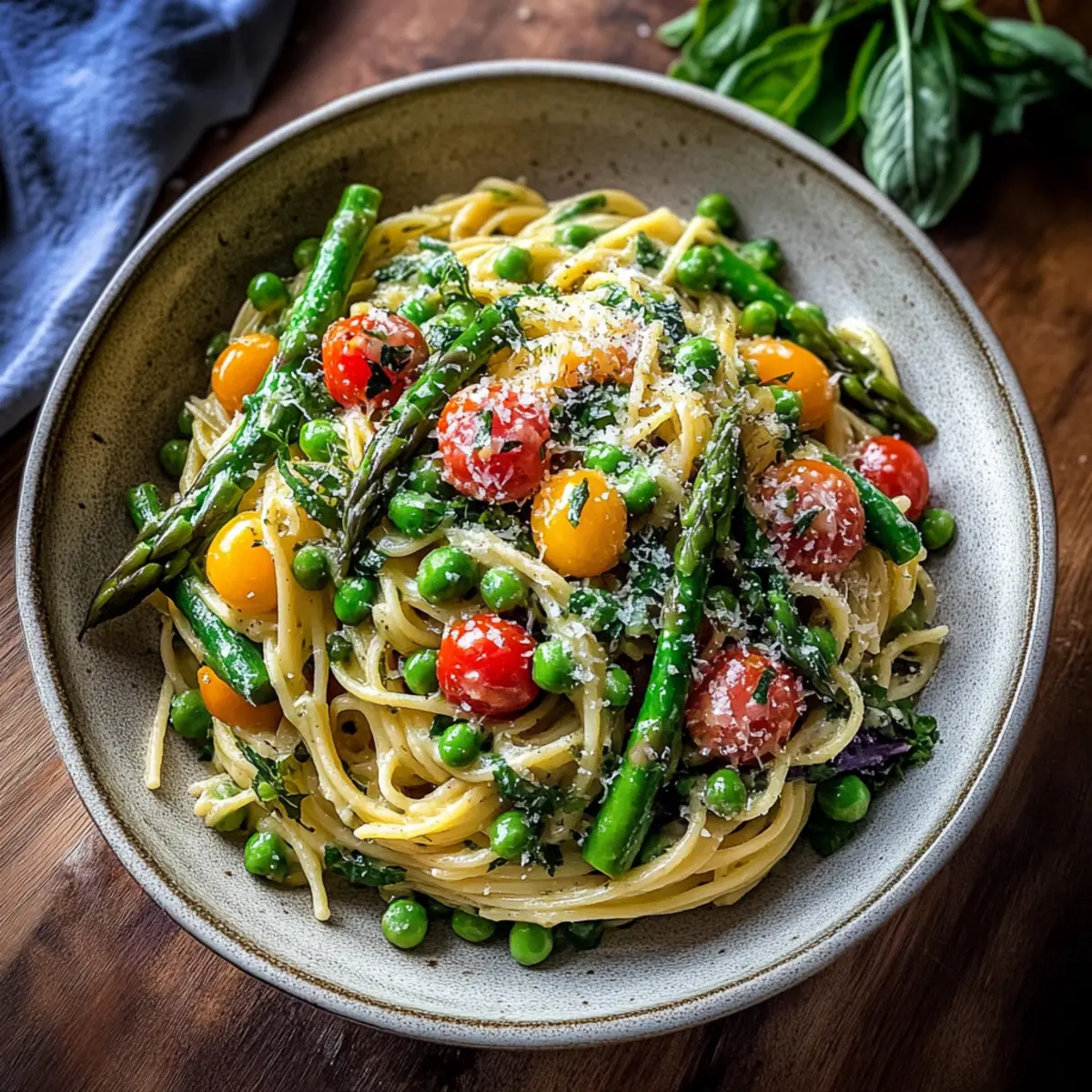
Why is Spring Pasta Primavera a Must-Try?
Vibrant Colors: This dish is an eye-catching celebration of spring, with fresh vegetables that bring joy to your plate.
Quick & Easy: Perfect for busy weeknights, it comes together in just 30 minutes—ideal for a hassle-free meal!
Customization Friendly: Whether you prefer a creamy sauce or a lighter option with olive oil, this recipe adapts to your taste.
Nutritional Boost: Packed with fiber and vitamins from seasonal veggies, it’s a wholesome alternative to heavy takeout.
Crowd-Pleasing: Perfect for gatherings, everyone will love this delicious feast that takes the classic pasta dish to a new level! Check out other fantastic options like Crockpot Garlic Pasta for more delightful meals.
Spring Pasta Primavera Ingredients
• Let’s gather what you need to create this delightful dish!
For the Pasta
- Dry Pasta (Fettuccine or Pasta of Choice) – The foundation of your dish; feel free to mix it up with shapes like rotini or penne that clings to sauce well.
For the Vegetables
- Extra-Virgin Olive Oil – Elevates the flavors and helps sauté the veggies; opt for a high-quality oil for the best taste.
- Asparagus (1 bunch) – Offers crispness and a fresh taste; you can swap it with green beans for a different twist.
- Snap Peas (1 cup) – Adds sweetness and a satisfying crunch; snow peas make a great alternative.
- Zucchini (1 small) – Brings moisture and a subtle flavor; swap in summer or yellow squash if you like.
- Mushrooms (1 cup, sliced) – Infuses earthiness and absorbs surrounding flavors; cremini or button mushrooms work beautifully.
- Garlic (3 cloves, minced) – Deepens the overall flavor profile; fresh garlic can easily be replaced with garlic powder.
- Cherry Tomatoes (1 cup, halved) – Provides sweetness and acidity; any juicy tomato variety will suffice.
- Baby Spinach (1 cup) – Enriches the dish with nutrients and vibrant color; consider using kale for additional texture.
- Frozen Peas (1 cup) – A convenient and sweet addition; fresh peas work too—just adjust the cooking time!
- Salt and Black Pepper to Taste – Key for bringing out the flavors in your dish!
For the Creamy Parmesan Sauce
- Unsalted Butter (3 tablespoons) – Creates richness and helps emulsify the creamy sauce; margarine is a possible substitute.
- All-Purpose Flour (1 tablespoon) – Thickens your sauce; for a gluten-free option, gluten-free flour works well.
- Heavy Whipping Cream (½ cup) – Delivers that luscious, creamy texture; easily swap for dairy-free cream if you prefer.
- Milk (½ cup, 2% or Whole) – Adds creaminess; any type of milk including almond or oat can be used.
- Grated Parmesan Cheese (½ cup) – Offers depth and a bit of saltiness; for a vegan twist, try nutritional yeast.
- Lemon Zest (1 tablespoon) – Brightens flavor and adds freshness; lime zest can be a lively substitute.
- Fresh Basil (3 tablespoons, minced) – Leaves a fragrant touch; feel free to replace it with parsley or thyme for a different herbaceous note.
Now that you have everything prepared, you’re just moments away from enjoying a delightful Spring Pasta Primavera Recipe bursting with flavor! Whether it’s a quick dinner or a special occasion, this dish will surely impress.
Step‑by‑Step Instructions for Spring Pasta Primavera Recipe
Step 1: Cook the Pasta
Begin by bringing a large pot of salted water to a rolling boil over high heat. Add your dry pasta—fettuccine or your favorite shape—and cook it according to package instructions until al dente, usually about 8-10 minutes. Once done, reserve ½ cup of the pasta water, then drain the pasta and set it aside.
Step 2: Sauté the Vegetables
In a large skillet, heat 2 tablespoons of extra-virgin olive oil over medium heat until shimmering. Toss in the asparagus, snap peas, zucchini, and mushrooms, sautéing for 3-5 minutes. Watch for the vegetables to turn tender-crisp and vibrant in color, signaling that they’re ready for the next fresh ingredients.
Step 3: Add Garlic and Spinach
Next, add the minced garlic, halved cherry tomatoes, baby spinach, and frozen peas to the skillet with the sautéed vegetables. Cook everything together for an additional 2-3 minutes, stirring occasionally until the spinach wilts and the tomatoes start to soften. Season the mixture with salt and pepper to enhance the flavors.
Step 4: Prepare the Creamy Sauce
In the same skillet, push the vegetables to one side and melt 3 tablespoons of unsalted butter over medium-low heat. Once melted, whisk in 1 tablespoon of all-purpose flour for 1-2 minutes until it turns golden and forms a roux. This will help thicken your sauce to a creamy consistency.
Step 5: Whisk in Cream and Milk
Gradually pour in ½ cup of heavy whipping cream and ½ cup of milk while continuously whisking to prevent lumps. Keep whisking until the mixture thickens and becomes smooth—about 3-5 minutes. The creamy sauce will nicely coat your pasta and vegetables in the upcoming steps, so let it simmer gently.
Step 6: Add Cheese and Seasoning
Stir in ½ cup of grated Parmesan cheese, 1 tablespoon of lemon zest, and 3 tablespoons of minced fresh basil into the creamy sauce. Keep the heat low and stir until the cheese melts smoothly into the sauce, creating a rich flavor base for your Spring Pasta Primavera Recipe.
Step 7: Combine Pasta and Sauce
Carefully add the drained pasta into the skillet along with the sautéed vegetables, tossing everything gently to coat with the creamy sauce. If the sauce appears too thick, use the reserved pasta water a little at a time until you reach your desired consistency.
Step 8: Final Seasoning and Serve
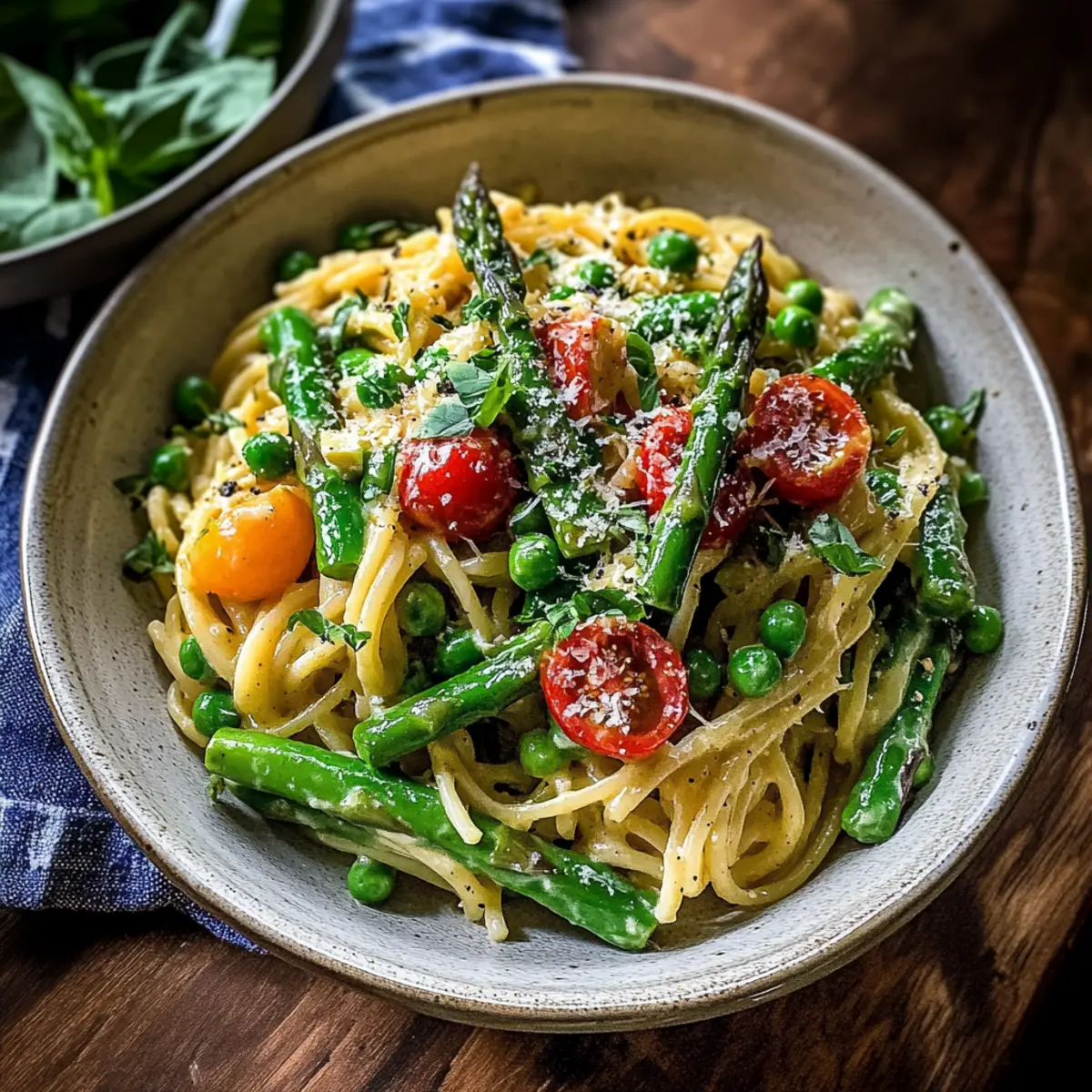
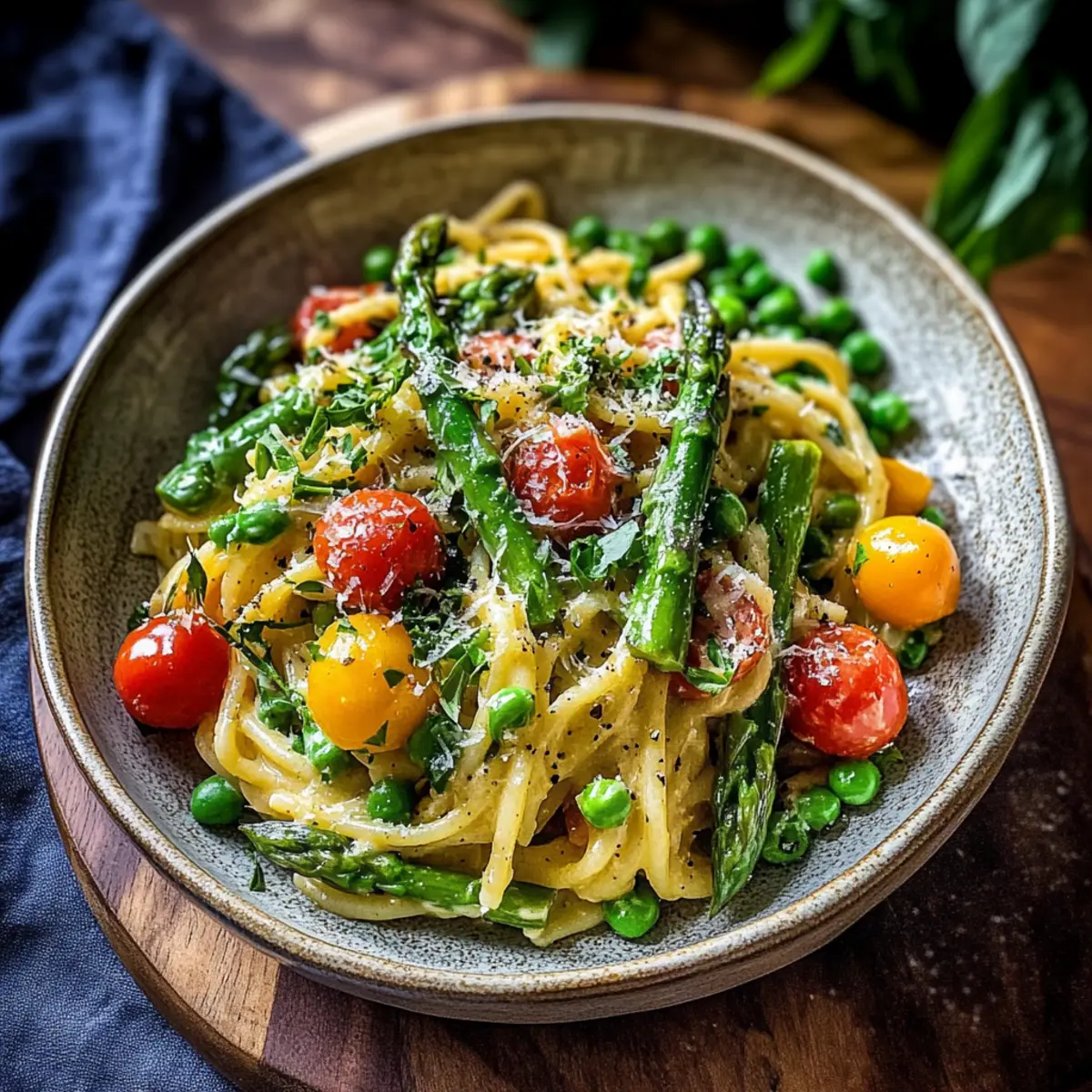
Taste your vibrant Spring Pasta Primavera and adjust seasoning with more salt, pepper, or Parmesan as desired. Serve hot, garnished with additional Parmesan and fresh basil if you like. This dish is not only beautiful but bursting with flavors that embody the essence of spring!
Make Ahead Options
These Creamy Spring Pasta Primavera preparations are perfect for those busy weeknights! You can chop and refrigerate the vegetables (asparagus, zucchini, and mushrooms) up to 3 days in advance, ensuring lower prep time when you’re ready to cook. The creamy sauce can be prepped and stored in the refrigerator for up to 24 hours—just avoid adding the cheese until you’re ready to heat it. When it’s time to serve, simply sauté the veggies and follow with your prepared sauce, mixing in the cooked pasta until well-combined. This approach maintains freshness and flavor, allowing you a delicious, homemade meal that’s just as delightful as if you made it on the spot!
Expert Tips for Spring Pasta Primavera
-
Cook Pasta Al Dente: Ensure your pasta is cooked just right—al dente—for a perfect texture that holds up against the creamy sauce in your Spring Pasta Primavera recipe.
-
Sauté for Color: Sauté vegetables until they’re tender-crisp to maximize their vibrant colors and nutritional benefits. Overcooking can dull their freshness and crunch!
-
Whisk with Care: Continuously whisk the sauce while adding cream to avoid lumps. This will ensure a creamy, velvety texture that clings beautifully to your pasta.
-
Season Gradually: Taste as you go! Start with a pinch of salt and pepper, adjusting until the flavors pop. Remember, different cheeses may alter saltiness.
-
Customize Veggies: Feel free to mix in seasonal vegetables or swap for your favorites. Just maintain the same cooking times for optimal results in your Spring Pasta Primavera.
Spring Pasta Primavera Variations
Feel free to get creative with your dish and let it shine with your unique twist!
- Lighter Option: Skip the heavy cream and toss your pasta with olive oil, lemon juice, and fresh Parmesan for a refreshing finish.
- Protein Boost: Add grilled chicken or shrimp for a hearty meal that packs a punch of flavor and heartiness.
- Extra Veggies: Incorporate seasonal vegetables like broccoli or radishes, enhancing both flavor and color in this delightful dish.
- Herb Swap: Experiment with different herbs by using fresh dill or mint instead of basil for a fragrant and unexpected flavor profile.
- Spicy Kick: Add a pinch of crushed red pepper flakes to ignite the heat in your creamy sauce, making it irresistible!
- Cheesy Love: For extra creaminess, stir in cream cheese along with the Parmesan, making a lush sauce that’s rich and delightful.
- Vegan Alternative: Use dairy-free cream and nutritional yeast in place of cheese for a delicious vegan version that maintains the spirit of spring!
- Nutty Texture: Toss in some pine nuts or walnuts for a delightful crunch, balancing the softness of the pasta and veggies perfectly.
Exploring these variations opens doors to endless flavors. Whether you try our creamy Summer Pasta Primavera with a twist or the delightful Bacon Ranch Pasta for something different, tasty adventures await!
Storage Tips for Spring Pasta Primavera
-
Room Temperature: It’s best to consume the Spring Pasta Primavera within 2 hours of serving to ensure freshness and safety. After that, refrigerate promptly.
-
Fridge: Store leftovers in an airtight container for up to 6 days. Reheat gently on the stove or microwave, adding a splash of milk if the sauce has thickened.
-
Freezer: For long-term storage, freeze the pasta primavera in a freezer-safe container for up to 3 months. Thaw overnight in the fridge and reheat before serving.
-
Reheating: To enjoy your pasta primavera, reheat on the stove over low heat, stirring occasionally. Add a little broth or cream to bring back the creamy texture if needed.
What to Serve with Creamy Spring Pasta Primavera?
There’s nothing like a beautiful gathering around the dinner table, and this vibrant dish deserves some delicious companions to complete your meal.
-
Garlic Bread: Perfectly toasted, this buttery delight adds a crunchy texture that pairs beautifully with the creamy sauce, helping to scoop up every last bite.
-
Mixed Green Salad: A refreshing medley of greens tossed in a light vinaigrette provides a crisp contrast to the creamy pasta while adding a burst of freshness to each forkful.
-
Roasted Vegetables: Caramelized and savory, these veggies magnify the breath of spring flavors and pair flawlessly with the pasta’s rich, creamy undertones.
-
Lemonade or Iced Tea: A chilled glass of homemade lemonade or herbal iced tea refreshes the palate, offering a delightful counterpoint to the richness of the sauce.
-
Grilled Chicken or Shrimp: For those craving protein, grilled chicken or shrimp adds heartiness, complementing the dish’s flavors without overwhelming them. The smoky grill notes enhance the entirety of this spring feast.
-
Cheesecake with Fresh Berries: Close the meal on a sweet note! The smooth, tangy cheesecake and vibrant berries create a delightful end to your culinary journey—perfect for celebrating the season!
Spring Pasta Primavera Recipe FAQs
How do I know if my vegetables are ripe for Pasta Primavera?
Absolutely! When selecting vegetables for your Spring Pasta Primavera, look for bright colors and fresh appearances. Asparagus should be firm with tight tips, snap peas should be crisp without dark spots, and zucchini should have smooth skin without any blemishes. If you notice wilting greens or dark spots all over, it’s best to opt for fresher ones!
What’s the best way to store leftovers of this pasta dish?
Very! Store any leftover Spring Pasta Primavera in an airtight container in the refrigerator for up to 6 days. Make sure to let it cool to room temperature first. When you’re ready to enjoy it again, gently reheat in a saucepan over low heat, adding a splash of milk to revive the sauce’s creamy texture if needed.
Can I freeze Spring Pasta Primavera?
You can! To freeze your Spring Pasta Primavera, portion it into freezer-safe containers and keep it sealed for up to 3 months. When you’re ready to enjoy it, thaw overnight in the fridge. Reheat it in a skillet on low heat, stirring frequently, and add a little cream or broth for a creamy texture if needed.
What should I do if my sauce is lumpy?
No worries! If your creamy sauce ends up lumpy, the best fix is to use an immersion blender to smooth it out. If you don’t have one, transfer the sauce to a regular blender, blend until smooth, and return it to the pan to reheat gently. This ensures your Spring Pasta Primavera remains luscious and creamy.
Are there any dietary considerations for this recipe?
Definitely! This Spring Pasta Primavera recipe is vegetarian-friendly, but if you have allergies, be mindful of the dairy ingredients like butter, cream, and cheese. For a vegan option, substitute these with plant-based alternatives such as coconut cream and nutritional yeast. And of course, if you have pets, ensure any leftovers aren’t shared, as some ingredients like garlic can be harmful to them.
Can I adjust the vegetables used in this recipe?
Of course! The beauty of the Spring Pasta Primavera recipe lies in its versatility. Feel free to swap in seasonal vegetables you love, such as broccoli, bell peppers, or even asparagus substitutes like green beans. Just keep an eye on cooking times to ensure everything is perfectly tender-crisp!
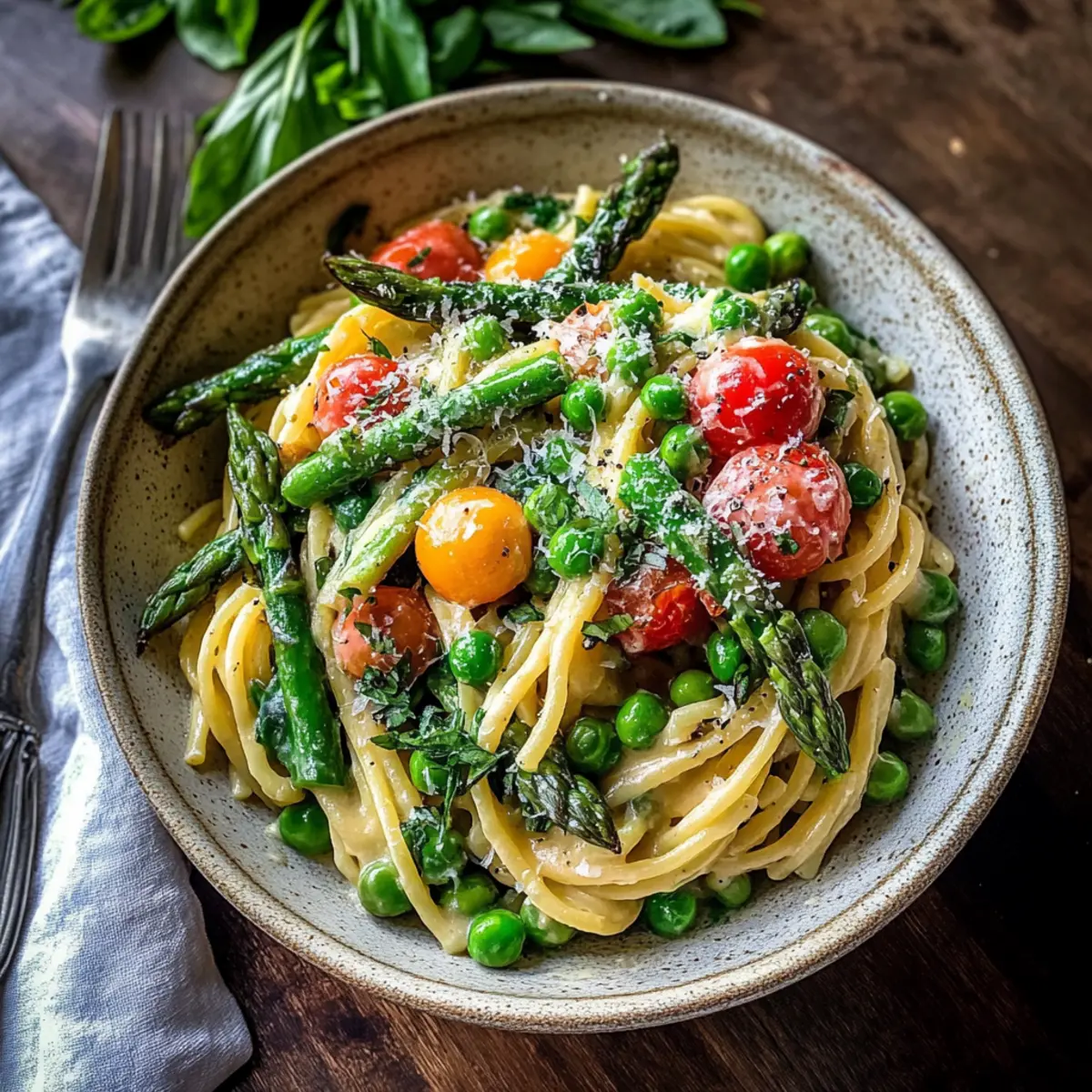
Delicious Spring Pasta Primavera Recipe for Vibrant Flavor
Ingredients
Equipment
Method
- Cook the Pasta: Bring a large pot of salted water to a boil. Add the dry pasta and cook until al dente, about 8-10 minutes. Reserve ½ cup of pasta water, then drain the pasta.
- Sauté the Vegetables: Heat 2 tablespoons of olive oil in a large skillet. Toss in asparagus, snap peas, zucchini, and mushrooms, sauté for 3-5 minutes until tender-crisp.
- Add Garlic and Spinach: Add minced garlic, halved cherry tomatoes, spinach, and frozen peas. Cook for 2-3 minutes until spinach wilts and tomatoes soften. Season with salt and pepper.
- Prepare the Creamy Sauce: In the skillet, push vegetables to the side, melt butter, whisk in flour until golden. This forms a roux for thickening the sauce.
- Whisk in Cream and Milk: Gradually add cream and milk while whisking to prevent lumps. Cook until the mixture thickens, about 3-5 minutes.
- Add Cheese and Seasoning: Stir in Parmesan, lemon zest, and basil into the sauce until the cheese melts.
- Combine Pasta and Sauce: Add the drained pasta and sautéed vegetables to the skillet, tossing to coat with the sauce. Use reserved pasta water if needed.
- Final Seasoning and Serve: Taste and adjust seasoning with salt, pepper, or Parmesan as desired. Serve hot, garnished with more Parmesan and fresh basil.
Leave a Reply