
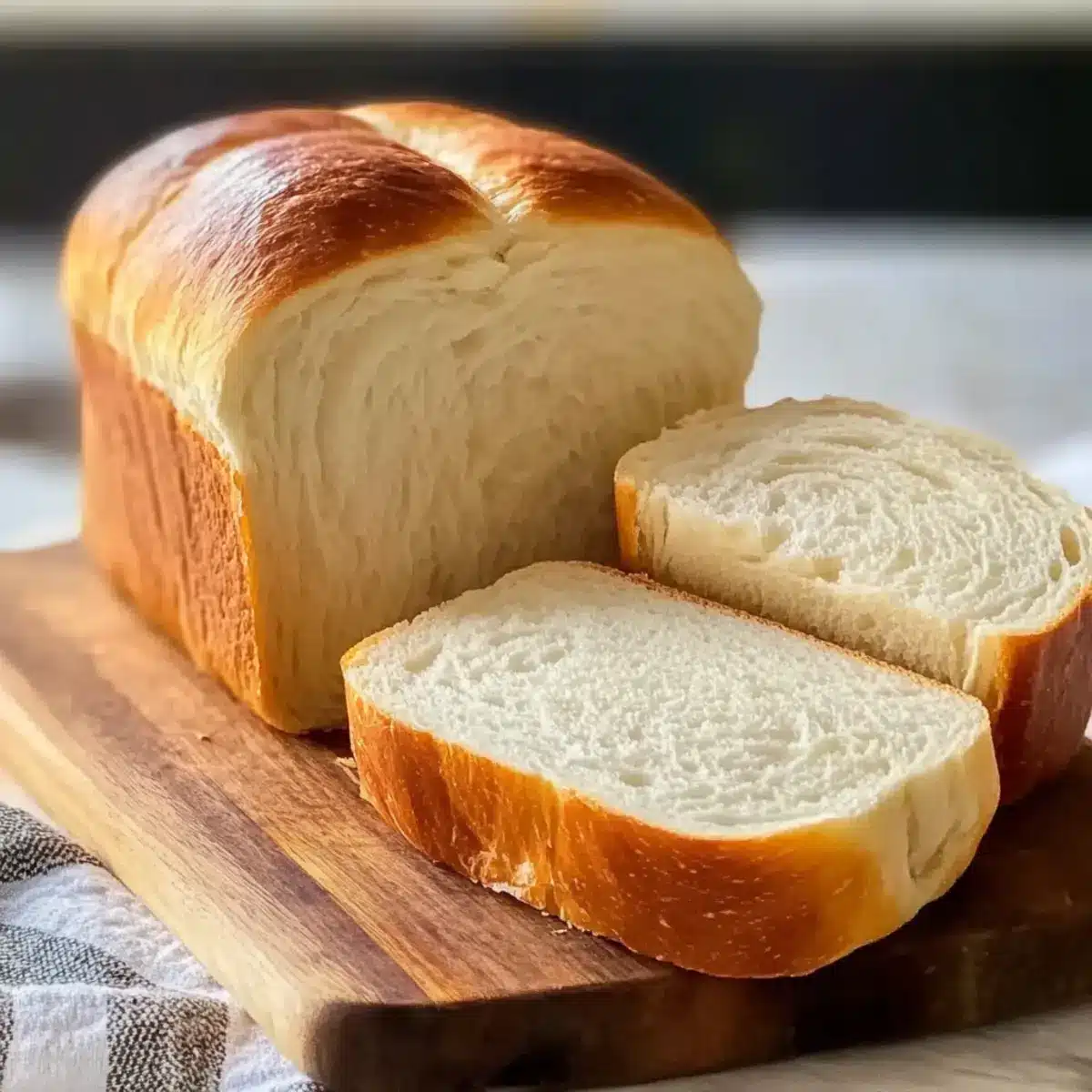
The aroma of fresh bread wafting through the kitchen can instantly elevate any home into a cozy sanctuary. This Homemade Bread Recipe yields two soft, fluffy loaves that are nothing short of a hug for your taste buds. Not only is it a delightful way to treat yourself and loved ones, but it also transforms everyday meals into something truly special. Imagine crisp, warm slices complementing your soups or delicious sandwiches, all while being a fun baking project that anyone can tackle. Plus, it’s a fantastic way to steer clear of fast food while nourishing your body with wholesome ingredients. What will you spread on your first warm slice?
Why Make This Homemade Bread?
Irresistible aroma: The moment this bread starts baking, your entire home will fill with a comforting scent that invites everyone to gather around.
Simplicity: With just a handful of ingredients, this recipe is perfect for bakers of all levels. You’ll love how easily you can whip up fresh bread without complicated techniques.
Versatile use: From sandwiches to toast, this soft, fluffy bread enhances any meal. Pair it with Homemade Butter Chicken or serve it alongside your favorite soups for an unforgettable dining experience.
Healthier choice: Enjoying homemade bread means skipping out on preservatives and additives found in fast food. You can take pride in nourishing your family with wholesome, delicious ingredients that fill their bellies.
Crowd-pleaser: Whether it’s a casual family dinner or a festive gathering, everyone will adore the warm, fresh loaves straight from your oven. You might just find that this recipe becomes a staple to share time and again!
Homemade Bread Ingredients
For the Dough
- Active Dry Yeast – Essential for leavening, ensuring your homemade bread rises beautifully.
- Warm Water – Activates the yeast; aim for around 110°F (43°C) for optimal proofing.
- Sugar or Honey – Adds sweetness and helps the yeast thrive; can substitute with brown sugar or a sugar alternative.
- Salt – Enhances flavor and strengthens the dough; don’t skip it, or your bread may taste bland.
- Vegetable Oil – Keeps the bread moist and tender; melted butter or olive oil are great alternatives.
- All-Purpose Flour – Provides the structure; you can replace half with whole wheat flour for a heartier loaf.
For the Baking
- Additional Flour – Keep handy to create the ideal dough texture as needed.
- Melted Butter – Brush on finished loaves for added flavor and to lock in moisture.
This homemade bread recipe is not just about the ingredients, but the joy of baking and sharing warm, fresh loaves with those you love.
Step‑by‑Step Instructions for Homemade Bread Recipe
Step 1: Activate the Yeast
In a large mixing bowl, combine 2¼ teaspoons of active dry yeast, 1 cup of warm water (around 110°F), and a pinch of sugar or honey. Stir gently and let the mixture sit for 5 to 10 minutes until it becomes frothy. This step is crucial for ensuring your homemade bread rises beautifully, so watch for those bubbles forming.
Step 2: Mix the Dough
Once frothy, add 2 tablespoons of sugar or honey, 1 teaspoon of salt, and 2 tablespoons of vegetable oil to the yeast mixture. Gradually incorporate 3 cups of all-purpose flour, mixing until a shaggy dough forms. You can use a wooden spoon or a stand mixer with a dough hook for this step, ensuring the mixture is well combined.
Step 3: Add More Flour
Start adding additional flour, about ½ cup at a time, mixing until the dough pulls away from the sides of the bowl. You want the dough to feel smooth and slightly tacky, which may require up to 4 cups total of flour. Pay close attention to the texture, ensuring it’s not too sticky but still pliable, perfect for your homemade bread recipe.
Step 4: Knead the Dough
Transfer the dough to a floured surface or keep it in the mixing bowl, then knead for about 4 to 5 minutes with a mixer or 5 to 8 minutes by hand. Your goal is to develop the gluten until the dough feels stretchy and resilient. It should be smooth to the touch, creating the lovely chewy texture of the bread.
Step 5: Let It Rise
Place the kneaded dough into a greased bowl, turning it to coat all sides with oil. Cover the bowl with a clean cloth or plastic wrap and let it rise in a warm place for about 1.5 hours or until it has doubled in size. This fermentation provides your homemade bread with its airy structure and flavor.
Step 6: Shape the Loaves
After the dough has risen, punch it down gently to release air bubbles. Divide the dough in half, shaping each piece into logs by rolling them gently. Place each log into a greased bread pan, ensuring they fit snugly. Cover again and let them rise for another 45 minutes, allowing them to puff up.
Step 7: Preheat and Bake
Preheat your oven to 350°F. Once the loaves have risen, bake them for 30 to 33 minutes, or until they are golden brown on top. They should sound hollow when tapped on the bottom, which indicates they are perfectly baked and ready to be enjoyed.
Step 8: Cool and Enjoy
Remove the freshly baked loaves from their pans and brush the tops with melted butter for a glossy finish. Allow the bread to cool on a wire rack for at least 10 minutes before slicing. This cooling period helps maintain the fluffy texture, making your homemade bread even more irresistible!
Make Ahead Options
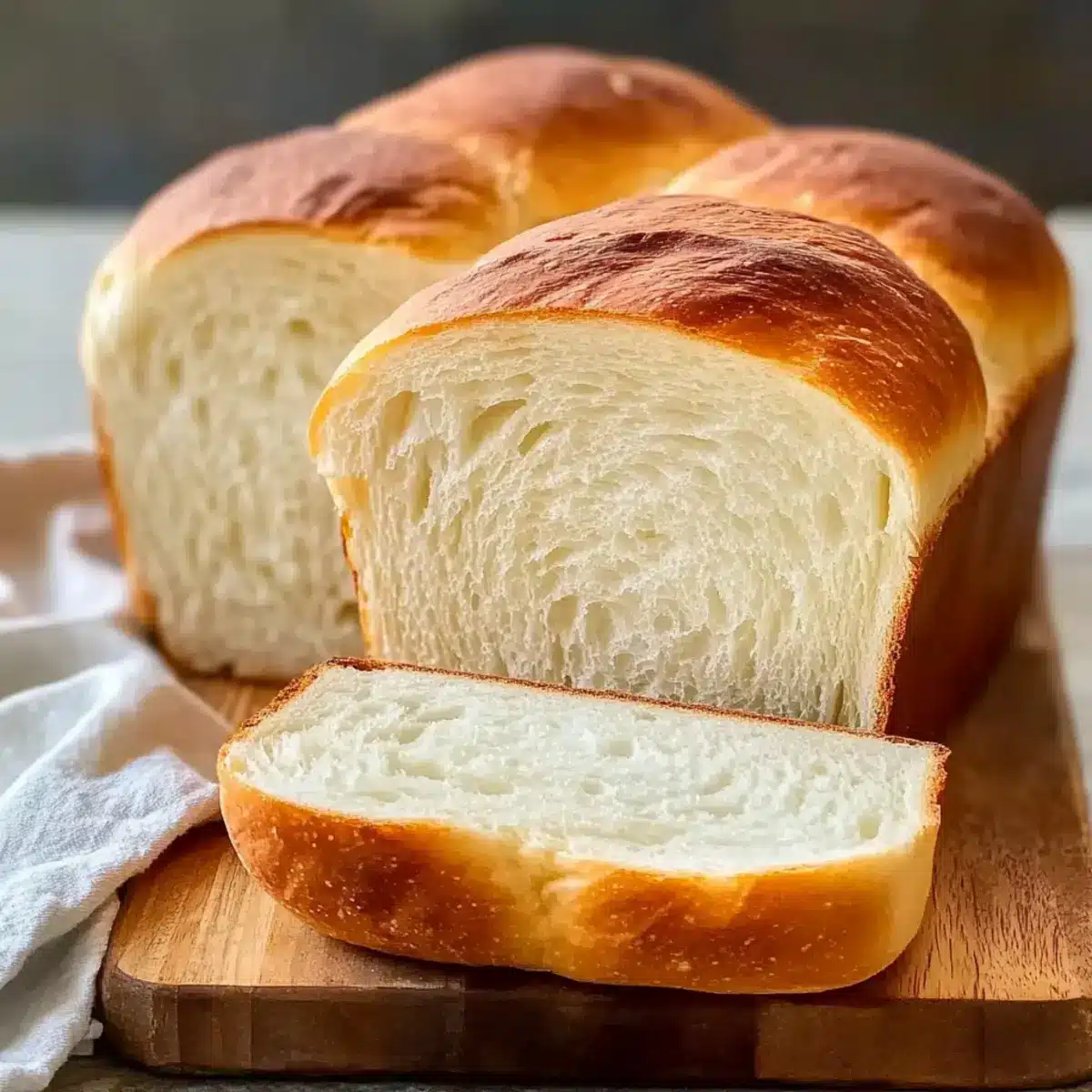
These Homemade Bread loaves are perfect for meal prep! You can prepare the dough up to 24 hours in advance by following the recipe until the first rise is complete. After shaping the loaves, tightly wrap them in plastic wrap and refrigerate them until you’re ready to bake. This method not only saves time but also enhances flavor as the dough ferments slowly. When you’re ready to serve, simply take the dough out, let it rest at room temperature for about 30 minutes, and continue with the second rise before baking. You’ll be rewarded with delicious, fluffy bread, just as delightful as if you had made it on the spot!
What to Serve with Homemade Bread?
The warm, buttery aroma of freshly baked bread creates a perfect canvas for complementing dishes, elevating any meal.
-
Creamy Tomato Soup: This classic pairing enhances the gentle flavors of your bread while providing a cozy, satisfying experience together.
-
Garlic Herb Butter: Spread this on warm slices for an additional burst of flavor that takes the homemade bread to a whole new level.
-
Cheesy Cauliflower Bake: The rich, melty cheese harmonizes beautifully with the soft, fluffy texture of your bread, creating a comforting dish.
-
Mixed Green Salad: Fresh greens with a light vinaigrette brighten the palate, perfectly balancing the hearty bread.
-
Homemade Jam or Honey: A sweet spread adds a delightful contrast, making simple slices a charming breakfast or snack.
-
Roasted Vegetable Medley: The caramelized flavors of roasted veggies provide a deliciously earthy counterpart to your homemade bread.
-
Sparkling Lemonade: A refreshing drink that cuts through the richness while enlivening your meal with a zesty twist.
-
Chocolate Chip Cookies: For a delightful dessert, enjoy these treats after your bread and watch smiles grow with every bite!
Let your homemade bread accompany these favorites, creating memorable meals that wrap loved ones in warmth and flavor.
Expert Tips for Homemade Bread
-
Check Your Yeast: Always ensure your active dry yeast is fresh by verifying that it foams when mixed with warm water. If not, it’s best to start with new yeast.
-
Don’t Skip the Salt: Salt not only enhances the flavor of your homemade bread but also contributes to the strength of the dough. Omitting it can lead to bland results.
-
Perfect Dough Texture: Aim for a smooth and slightly tacky dough. If it’s too sticky, gradually add more flour (up to 4 cups total) until it pulls away easily from the bowl.
-
Knead it Right: Properly knead your dough for 4-8 minutes until it achieves a stretchy, resilient quality. This step is vital for that soft, fluffy bread we all love.
-
Rising Environment: Ensure your dough rises in a warm place, free from drafts. This helps it double in size, creating the light texture essential for a delicious homemade bread recipe.
-
Cooling is Key: Allow your loaves to cool for at least 10 minutes on a wire rack after baking. This helps maintain their fluffy texture and makes slicing easier.
Homemade Bread Recipe Variations
Feel free to make this homemade bread your own with exciting twists and substitutions that tickle your taste buds!
-
Whole Wheat: Replace half the all-purpose flour with whole wheat flour for a heartier, nuttier flavor. It adds a lovely rustic touch to your loaf.
-
Herbed Delight: Toss in a tablespoon of dried herbs like rosemary or thyme to your dough for an aromatic infusion, perfect for pairing with soups.
-
Garlic Bread: Mix in minced garlic or garlic powder for a delicious garlic bread version. You can even top it with butter before baking for that classic flavor.
-
Seed Topping: Sprinkle sesame or poppy seeds on top of the loaves before baking to introduce an added crunch and subtle nutty flavor.
-
Sweet Twist: Incorporate raisins or dried cranberries into your dough for a sweet surprise. They add a chewy texture that complements the soft bread beautifully.
-
Spicy Kick: Add a pinch of cayenne pepper or red chili flakes for a delightful heat that pairs wonderfully with savory dishes like Homemade Butter Chicken.
-
Cheesy Goodness: Fold in shredded cheese such as cheddar or parmesan just before shaping the loaves. The melted cheese gives a richer flavor profile that’s simply irresistible.
-
Cinnamon Swirl: For a delightful breakfast option, blend in cinnamon and a bit of sugar, then swirl it into the dough before shaping. It brings a sweet aroma that makes each slice heavenly.
With these variations, your homemade bread experience can be anything you desire!
How to Store and Freeze Homemade Bread
Room Temperature: Store your homemade bread in a breadbox or an airtight container for up to 2-3 days to keep it soft and fresh. Avoid plastic wrap to prevent sogginess.
Fridge: If you need it to last a bit longer, refrigerate in an airtight container for up to 5 days. But note that this may slightly affect the bread’s texture.
Freezer: For freezing, wrap loaves tightly in plastic wrap, then aluminum foil, or place in a freezer bag. They can be stored for up to 3 months. Thaw in the fridge overnight before enjoying!
Reheating: To revive your homemade bread, wrap it in foil and warm it in a 350°F oven for about 10 minutes. This restores freshness and flavor.
Homemade Bread Recipe FAQs
What is the best way to select ingredients for homemade bread?
Absolutely! Selecting fresh ingredients is vital for a successful homemade bread recipe. When choosing active dry yeast, ensure it’s within the expiry date and check for bubbles when mixed with warm water. For flour, look for all-purpose flour that’s finely milled, and ensure your warm water is around 110°F. This temperature activates the yeast, leading to that delightful rise in your bread. Lastly, opt for fresh sugar or honey to aid in fermentation.
How should I store homemade bread to keep it fresh?
To keep your homemade bread fresh, store it in an airtight container at room temperature for up to 2-3 days. If you prefer longer storage, refrigerate it for up to 5 days, though it may slightly alter the texture. For optimal freshness, I recommend placing it in a breadbox or a paper bag to avoid excess moisture. If you’re not consuming it within that timeframe, freezing is a great option.
Can I freeze homemade bread, and what’s the best method?
Yes, you can freeze your homemade bread with ease! Wrap each loaf tightly in plastic wrap, followed by a layer of aluminum foil. This double wrapping prevents freezer burn and maintains quality. Store the wrapped loaves in a freezer bag for up to 3 months. When you’re ready to enjoy, simply thaw them in the fridge overnight, and for a fresh taste, warm them in a 350°F oven for about 10 minutes.
What should I do if my bread doesn’t rise properly?
Very good question! If your bread doesn’t rise, first check your yeast. It should be activated and bubbly after mixing with warm water for 5-10 minutes. If it’s not foaming, unfortunately, your yeast may be expired. Additionally, make sure your dough is kept in a warm, draft-free environment while rising—ideal temperatures range from 75°F to 85°F. If all else fails, don’t stress! You can still use the dough to make flatbreads or pizzas!
Are there any dietary considerations for homemade bread—like allergens?
Indeed! This homemade bread recipe is vegetarian, but it’s important to consider allergies, especially to gluten, as it uses all-purpose flour. For those avoiding gluten, you can substitute with a gluten-free flour blend. Additionally, for a dairy-free option, simply replace vegetable oil with melted vegan butter. Always ensure that any substitutes you make still align with your dietary needs.
How long does homemade bread last once baked?
Once baked, homemade bread is best enjoyed fresh but can last up to 2-3 days at room temperature in an airtight container. If stored in the fridge, it can extend to about 5 days. For the best taste, remember that freezing is ideal for preservation; just ensure it’s properly wrapped to avoid freezer burn.
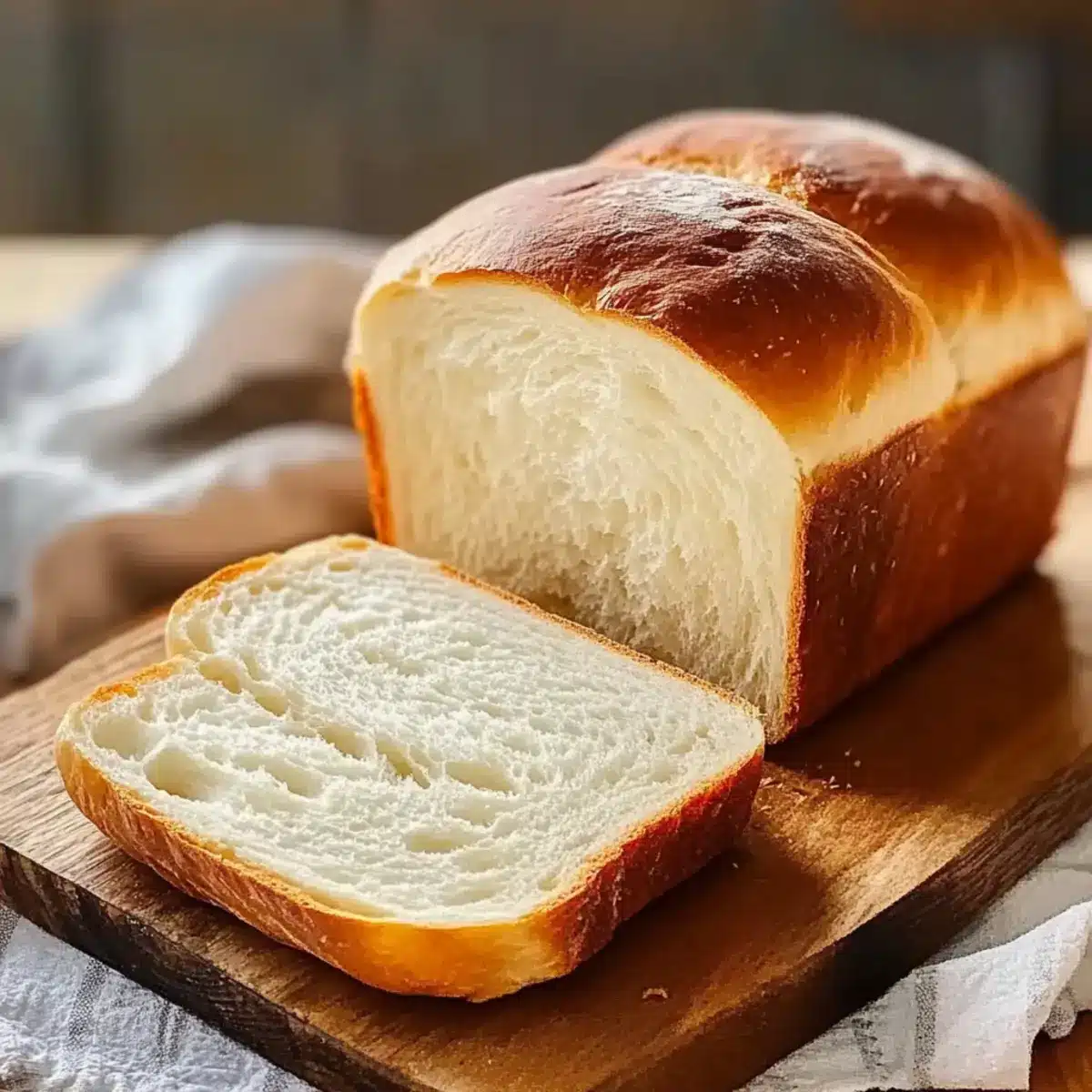
Soft and Fluffy Homemade Bread Recipe Your Family Will Adore
Ingredients
Equipment
Method
- Activate the Yeast: In a large mixing bowl, combine 2¼ teaspoons of active dry yeast, 1 cup of warm water, and a pinch of sugar or honey. Stir gently and let sit for 5 to 10 minutes until frothy.
- Mix the Dough: Add 2 tablespoons of sugar or honey, 1 teaspoon of salt, and 2 tablespoons of vegetable oil to the yeast mixture. Gradually incorporate 3 cups of all-purpose flour.
- Add More Flour: Start adding additional flour, about ½ cup at a time, mixing until the dough pulls away from the sides of the bowl, up to 4 cups total.
- Knead the Dough: Transfer the dough to a floured surface or keep in the mixing bowl, then knead for about 4 to 5 minutes with a mixer or 5 to 8 minutes by hand.
- Let It Rise: Place the kneaded dough into a greased bowl, cover, and let rise in a warm place for about 1.5 hours or until doubled in size.
- Shape the Loaves: Punch down the dough gently, divide in half, shape into logs, and place into greased bread pans. Cover and let rise for another 45 minutes.
- Preheat and Bake: Preheat oven to 350°F. Bake the loaves for 30 to 33 minutes, or until golden brown.
- Cool and Enjoy: Remove loaves, brush with melted butter, and cool on a wire rack for at least 10 minutes before slicing.
Leave a Reply