
There’s something undeniably heartwarming about a steaming bowl of homemade miso soup. This delightful Japanese staple, known as Misoshiru, delivers comfort and nourishment in just 18 minutes. When life feels chaotic, this quick and easy miso soup is the perfect remedy, easily customized to suit your flavor cravings, whether you prefer it vegan-friendly or with a hint of the ocean thanks to dried wakame seaweed. Not only is it a fantastic light appetizer, but it also packs a nutritional punch, making it a wholesome choice for any meal. Ready to dive into this simple yet satisfying recipe, and maybe explore some fun variations along the way? Let’s get cooking!
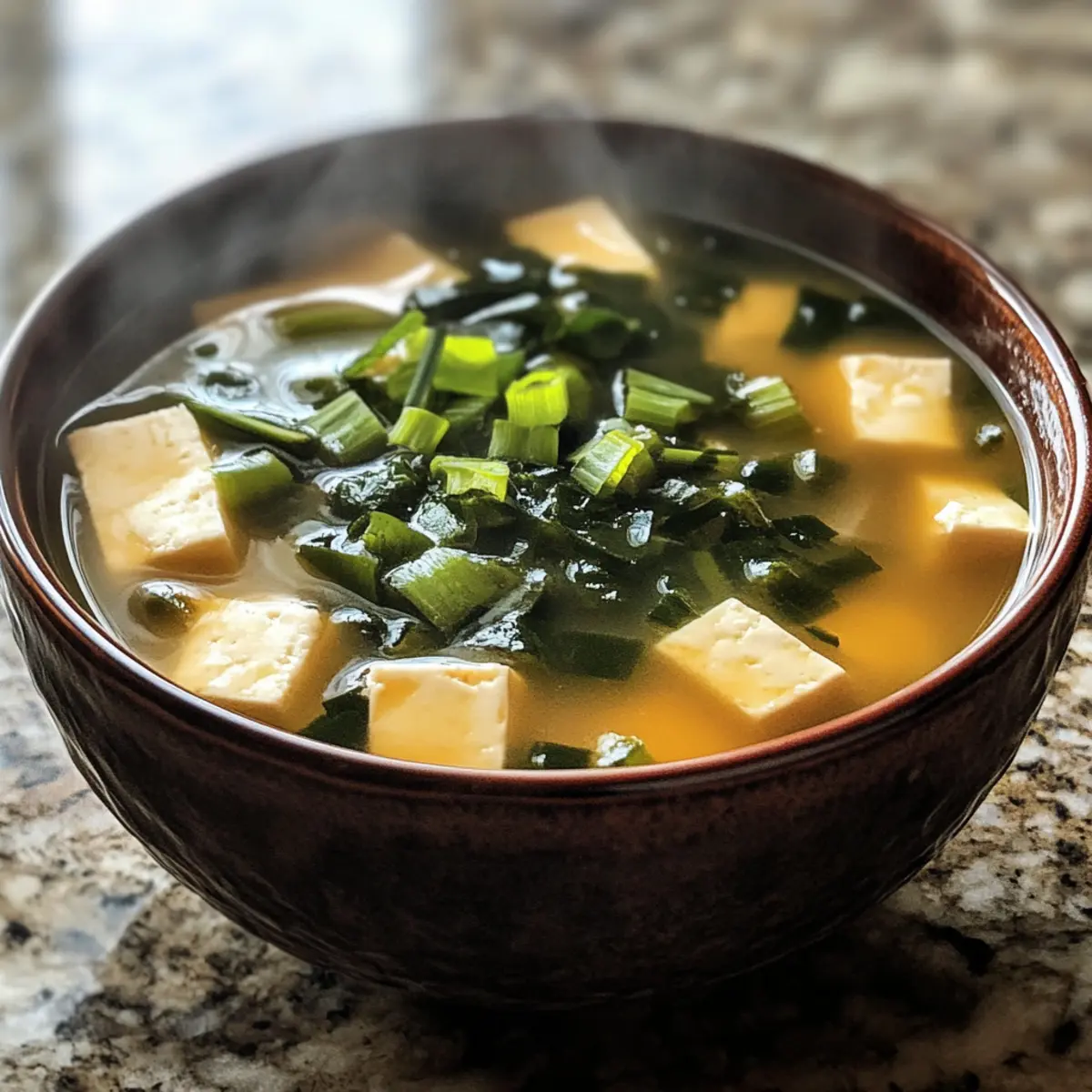
Why is Miso Soup a Must-Try?
Comforting Warmth: A bowl of homemade miso soup is like a hug in a cup, offering a rich umami flavor that soothes the soul.
Quick & Easy: With only 18 minutes of prep time, you can bring this delicious dish to your table without the hassle.
Customizable Goodness: Whether you prefer it with crispy seaweed or hearty mushrooms, the recipe allows endless variations to match your taste buds.
Nutritional Powerhouse: Packed with probiotics from miso and protein from tofu, this soup not only tastes good but also supports your health!
Perfect Pairing: Enjoy it as a starter or alongside rice, just like you would with a steaming Garlic Soup Comfort.
Crowd-Pleaser: Serve it to family or friends; its easy-to-love flavors will make it a hit at any gathering!
Homemade Miso Soup Ingredients
- Great for crafting your own comforting bowl!
For the Soup Base
- Shiromiso (White Miso Paste) – Provides that rich, savory umami flavor fundamental to homemade miso soup.
- Dashi or Bonito Granules – Enhances the soup’s umami; replace with vegetable stock for a vegetarian version.
- Water – Serves as the soup base; opt for quality filtered water for the best taste.
For the Protein and Texture
- Firm Silken Tofu – Adds a smooth, creamy texture and protein punch; softer tofu may break apart more easily.
- Dried Wakame Seaweed – Brings a unique ocean-like flavor and chewy texture; you can substitute with other sea vegetables.
Feel free to customize your bowl of homemade miso soup further with the ingredients you love!
Step‑by‑Step Instructions for Homemade Miso Soup
Step 1: Boil the Water
Begin by heating a large cooking pot over medium-high heat. Pour in 6 cups of quality filtered water and bring it to a rolling boil, which should take about 5–7 minutes. You’ll know it’s ready when you see vigorous bubbles across the entire surface, signaling that the base for your homemade miso soup is primed for flavor.
Step 2: Add Dashi Granules
Once the water is boiling, add 4 teaspoons of dashi or bonito granules. Stir vigorously to ensure they dissolve completely into the boiling water. This step enhances the umami profile of the soup, taking only about 1 minute to incorporate fully. You’ll see the water slightly cloudy as the granules mix in, readying the broth for the rich flavors to come.
Step 3: Stir in Miso Paste
Next, reduce the heat to low and carefully stir in 5 tablespoons of white miso paste. Allow it to cook gently for about 1 minute while stirring continuously, making sure not to boil. You’ll see the soup transition into a smooth consistency with a delightful aroma filling the kitchen, setting the stage for your comforting homemade miso soup.
Step 4: Add Tofu and Wakame
Now, gently fold in 8 to 10 ounces of diced firm silken tofu along with 1½ tablespoons of dried wakame seaweed. Stir the mixture carefully to avoid breaking apart the tofu. Let it simmer over low to medium heat for about 8–15 minutes. You’ll notice the wakame expanding and turning vibrant green while the tofu warms and absorbs the beautiful flavors of the soup.
Step 5: Final Touch and Serve
After cooking, check for the desired warmth and taste of the soup. Carefully transfer the homemade miso soup into serving bowls, spooning in generous portions of tofu and seaweed. Serve hot, and enjoy the nourishing richness that brings comfort and joy in every bite. Your homemade miso soup is now ready to be savored!
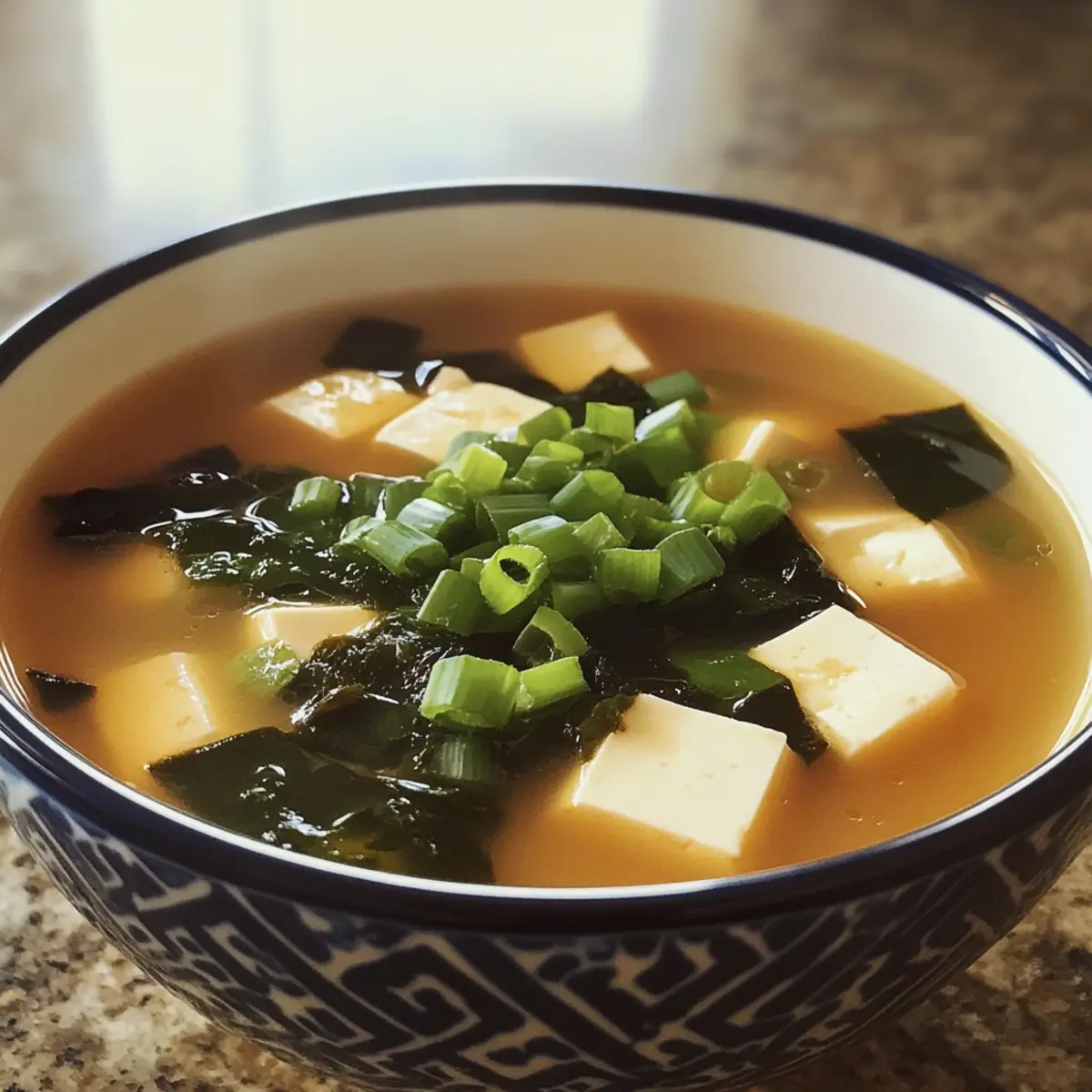
How to Store and Freeze Homemade Miso Soup
Fridge: Store leftover homemade miso soup in an airtight container in the refrigerator for up to 2 days. Reheat gently on the stove over low heat to avoid boiling.
Freezer: For longer storage, freeze the soup without tofu and wakame in a freezer-safe container for up to 3 months. Thaw in the fridge overnight before reheating.
Reheating: When ready to enjoy, add fresh tofu and wakame during reheating for the best texture and flavor. Warm gently and serve hot.
Tip: Miso soup is best when freshly made, as this preserves its probiotic benefits and rich flavors.
What to Serve with Quick & Easy Miso Soup
There’s something truly delightful about creating a full meal around a warm, comforting bowl of miso soup that elevates your dining experience.
-
Steamed Jasmine Rice: Fluffy rice perfectly complements the savory miso flavor, making for a filling meal when served together. The soft grains of jasmine rice soak up the delicious broth, creating a satisfying bite.
-
Crispy Tempura Vegetables: The light, crunchy texture of tempura vegetables adds a delightful contrast to the smooth soup, making each spoonful exciting. Sweet potato, zucchini, or bell pepper tempura pairs beautifully, enhancing the meal’s overall appeal.
-
Japanese Pickles (Tsukemono): These tangy, crunchy sides provide a refreshing burst of flavor that balances the umami of miso soup. Their variety adds interesting tastes that will keep you coming back for more.
-
Grilled Tofu Skewers: Packed with protein, these skewered delights add a satisfying chewiness to your meal. Marinate them in a soy-based sauce for a complementary flavor that sings alongside the soup.
-
Soba Noodles: Adding these thin buckwheat noodles turns your miso soup into a heartier dish. The nutty flavor of soba enhances the umami notes, making for a comforting and wholesome experience.
-
Chilled Edamame: Lightly salted edamame pods offer a fun and healthy snack option alongside your soup. Their fresh taste provides a nice contrast to the warm soup, making it a perfect pairing.
-
Green Tea: A warm cup of green tea serves as a light and refreshing beverage that enhances the delicate flavors of miso soup. It rounds out the meal with its earthy notes, promoting relaxation and comfort.
-
Mochi Ice Cream: Conclude the meal with a delightful treat of mochi ice cream for a sweet finish. The chewy texture of mochi combined with creamy ice cream offers a satisfying contrast to the savory miso soup.
Homemade Miso Soup Variations
Dive into a world of flavors that can transform your homemade miso soup into something uniquely yours!
-
Mushroom Medley: Add sliced shiitake or button mushrooms for an earthy depth and delightful chewiness. Their umami notes complement the miso beautifully.
-
Seafood Boost: For a savory twist, incorporate shrimp or scallops. Their quick cook time ensures they remain tender, enriching your soup with ocean-fresh flavor.
-
Vegetable Delight: Toss in diced carrots, spinach, or bok choy for extra nutrition and color. These vibrant veggies not only enhance the visual appeal but also offer crunch and freshness.
-
Fire Up the Heat: Include sliced jalapeños or a pinch of red pepper flakes if you crave a spicy kick. This variation adds a surprising warmth that elevates each slurp.
-
Herbaceous Infusion: Add a touch of fresh herbs like cilantro or sliced green onions right before serving. This brightens the soup’s flavor while adding a refreshing note.
-
Creamy Coconut: Swap some water for coconut milk for a rich, creamy texture. This gives your miso soup a lovely sweet hint and a tropical twist that is truly comforting.
-
Wakame Swap: If you’re not a fan of dried wakame, try using other sea vegetables like dulse or kelp for different flavors and textures. They all bring a wonderful ocean essence to the broth.
For a delightful pairing, enjoy the leftover goodness with a warm bowl of Garlic Soup Comfort or sprinkle some fresh scallions atop each bowl, adding that perfect finishing touch to your homemade miso soup experience!
Expert Tips for Homemade Miso Soup
-
Stir with Care: Always add the miso paste after the water is boiling and stir gently to maintain its live probiotic benefits.
-
Don’t Boil Away: Avoid boiling the soup after adding miso to protect its flavor and quality; just warm it through.
-
Customize Wisely: Experiment with ingredients like mushrooms or scallions, but ensure to add them at the right time so they don’t overpower the soup.
-
Texture Matters: Use firm silken tofu for the best texture; softer varieties might break apart easily and change the soup’s consistency.
-
Quality Water: Use quality filtered water for your base, as it significantly enhances the overall flavor of your homemade miso soup.
Make Ahead Options
Preparing this comforting homemade miso soup ahead of time can significantly ease your weeknight meal planning! You can prep the base by measuring out 4 teaspoons of dashi granules and mixing them with 6 cups of water (up to 24 hours in advance) to make boiling quicker when you’re ready to cook. Additionally, you can chop the firm silken tofu and rehydrate the dried wakame seaweed ahead, storing them separately in the refrigerator for up to 3 days. When it’s time to serve, simply bring your broth to a boil, stir in the miso paste, followed by the tofu and wakame, letting them warm through. This way, you’ll enjoy a delicious bowl of miso soup with minimal effort and just as much flavor!
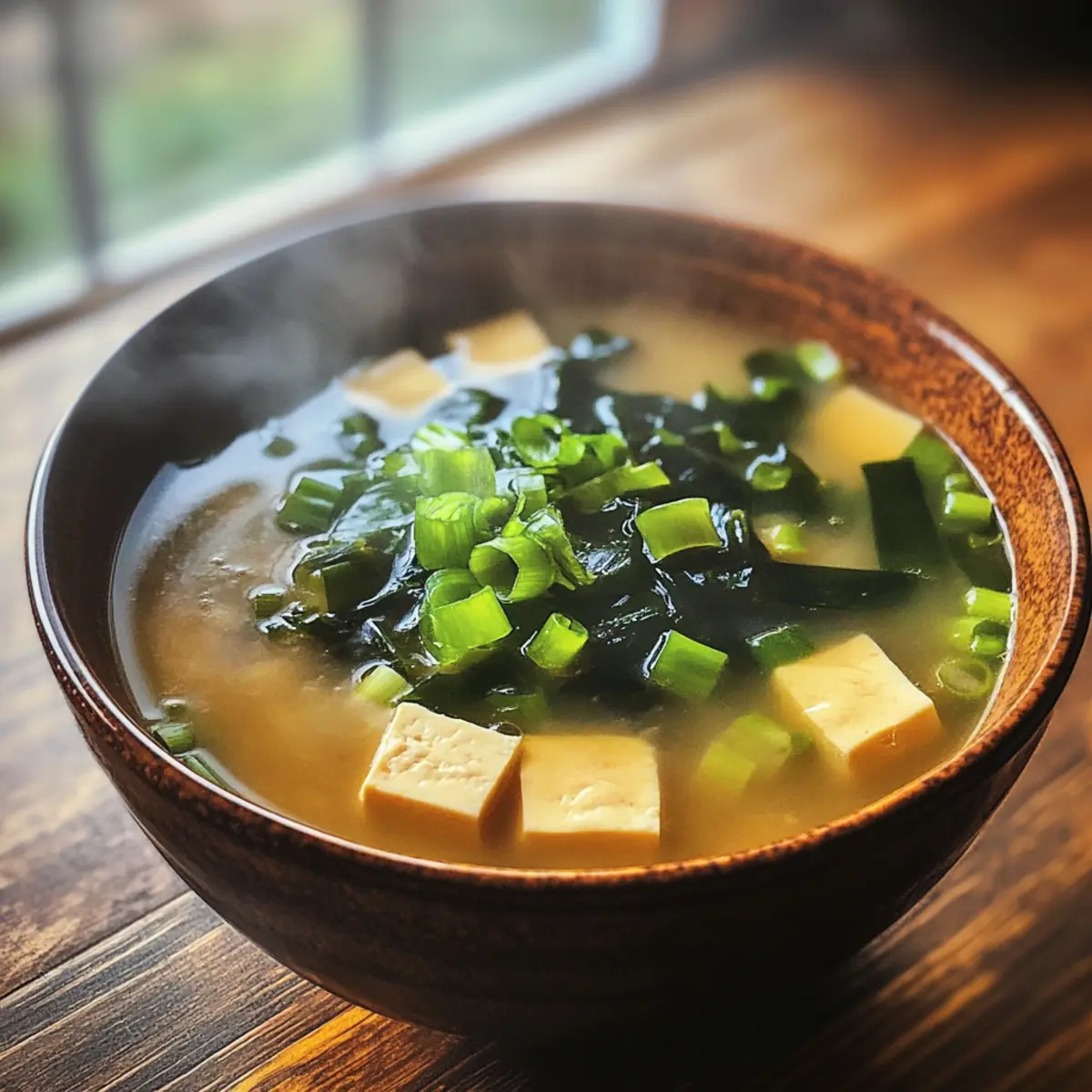
Homemade Miso Soup Recipe FAQs
How do I choose the right miso paste?
When selecting miso paste, I recommend using white miso (shiromiso) for its mild, sweet flavor, which is perfect for beginners. If you’re looking for a stronger taste, you can try red or yellow miso, but be mindful that they have a bolder flavor. Always check the expiration date and opt for organic versions if possible, as they ensure you’re getting quality ingredients.
How long can I store leftover homemade miso soup?
You can store homemade miso soup in an airtight container in the refrigerator for up to 2 days. Just remember to reheat it gently on the stove over low heat. Avoid boiling to preserve the rich flavors and probiotics.
Can I freeze homemade miso soup?
Absolutely! For freezing homemade miso soup, I recommend leaving out the tofu and wakame, as these ingredients don’t freeze well. Place the soup in a freezer-safe container and it will keep for up to 3 months. When you’re ready to enjoy it, thaw in the refrigerator overnight and reheat gently on the stove. Then, add fresh tofu and wakame for the best taste and texture!
What if my miso soup tastes too salty?
If your miso soup turns out too salty, there’s no need to fret! You can add more water or a small amount of unsalted vegetable broth to dilute the flavor. Alternatively, experimenting with more tofu or adding extra vegetables like sliced mushrooms can balance out the taste. Just let it simmer together for a few minutes before serving.
Is miso soup safe for everyone, including pets?
While miso soup is packed with nutritious ingredients for humans, it’s best to avoid giving it to pets. Miso contains high sodium levels, which can be harmful to animals. Additionally, if you have allergies to soy, be cautious with this dish as the main ingredient is made from fermented soybeans.
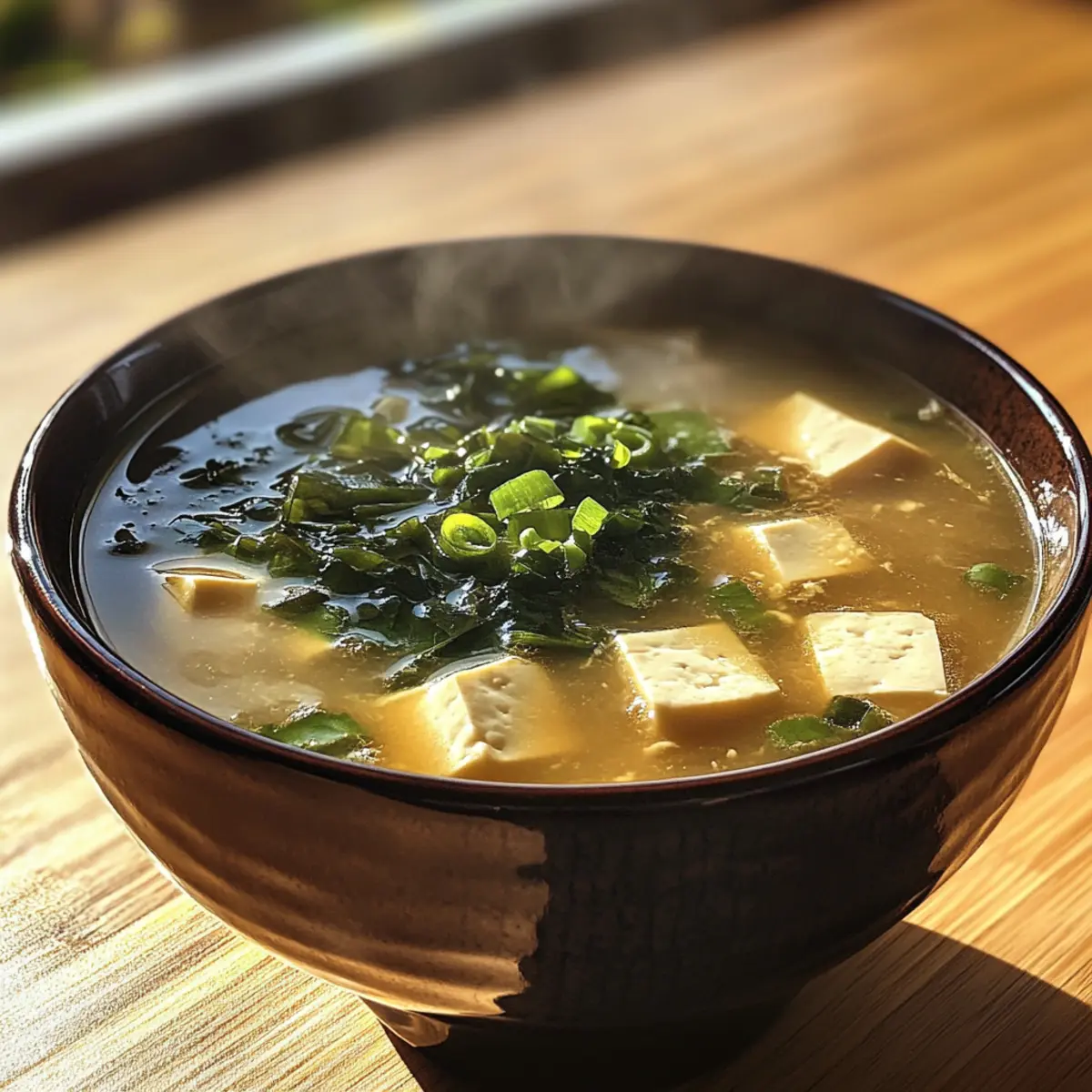
Cozy Up with Easy Homemade Miso Soup in Just 18 Minutes
Ingredients
Equipment
Method
- Begin by heating a large cooking pot over medium-high heat. Pour in 6 cups of quality filtered water and bring it to a rolling boil for about 5–7 minutes.
- Once the water is boiling, add 4 teaspoons of dashi or bonito granules and stir vigorously to dissolve completely.
- Reduce heat to low and stir in 5 tablespoons of white miso paste. Cook gently for about 1 minute while stirring continuously.
- Gently fold in 8 to 10 ounces of diced firm silken tofu and 1½ tablespoons of dried wakame seaweed. Let it simmer over low to medium heat for about 8–15 minutes.
- Check for the desired warmth and taste, then transfer to serving bowls and serve hot.
Leave a Reply