
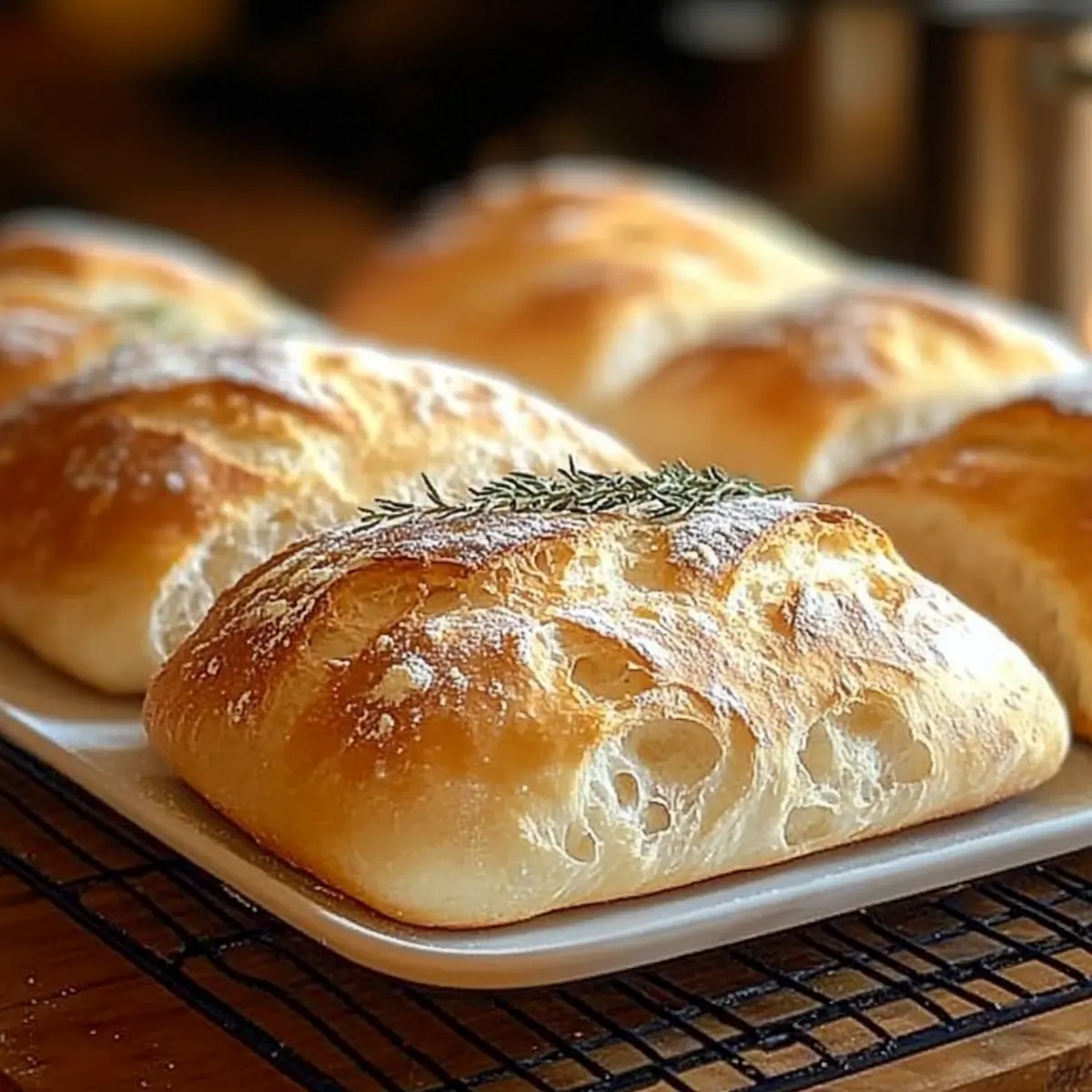
The aroma of freshly baked bread wafting through the kitchen is one of life’s simple pleasures. That’s exactly what you can achieve with my Quick Homemade Ciabatta Bread recipe. With just a few ingredients and under three hours to spare, you’ll create a golden, crusty loaf that boasts a tender, airy interior – perfect for sampling with olive oil or serving alongside your favorite soup. This quick ciabatta isn’t just delicious; it’s also an effortless way to impress your family or friends, transforming any meal into a special occasion. And the best part? You can skip the long fermentation time while still achieving artisan quality. Curious about how to create this delightful bread in your own kitchen? Let’s dive into the magic of homemade ciabatta!
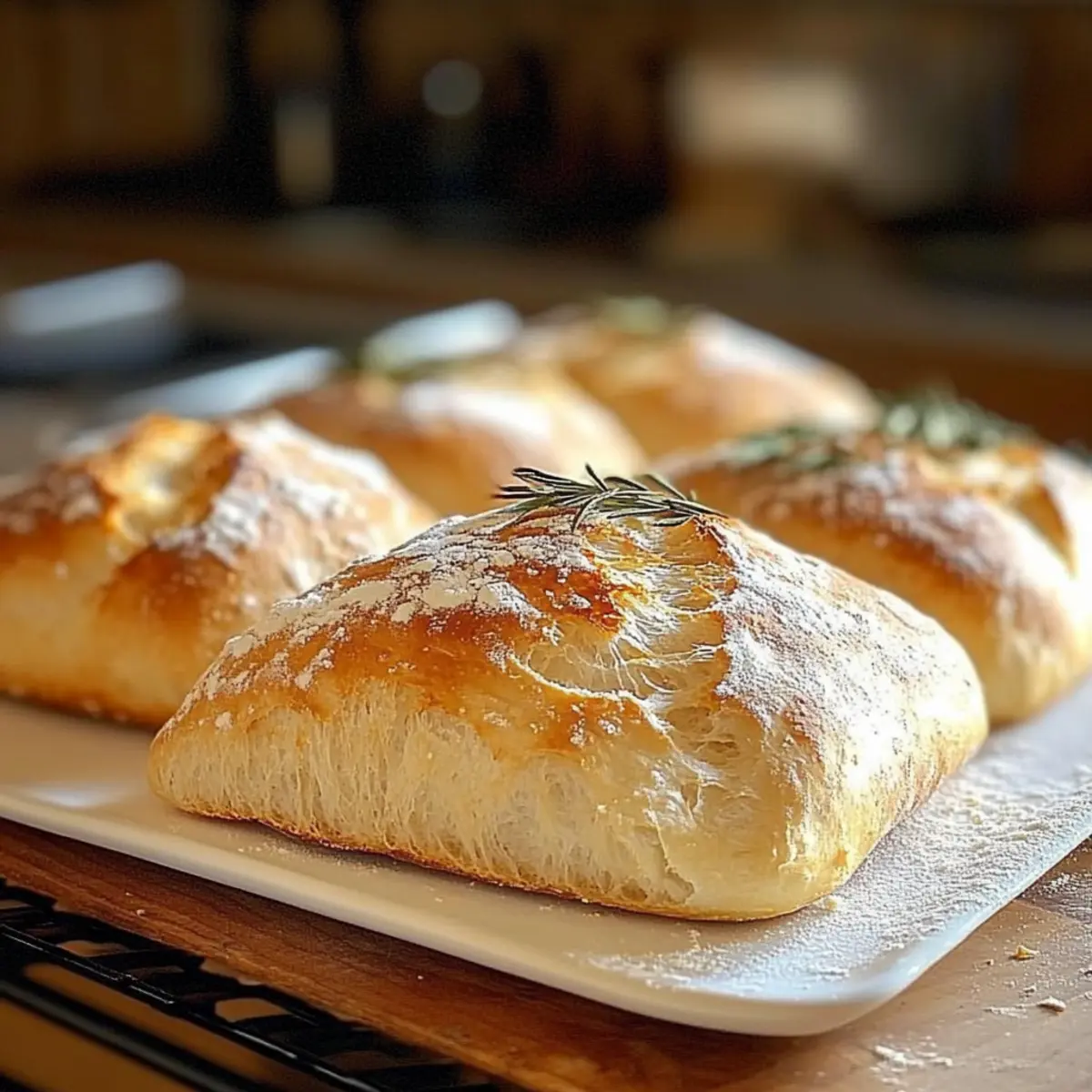
Why is Homemade Ciabatta a Must-Try?
Freshness at home: Experience the mouthwatering aroma of bread baking as you create this delicious ciabatta from scratch. Simplicity is key—only a few ingredients and no kneading required! Versatile for any occasion, it’s perfect for dipping in olive oil or making scrumptious bruschetta. Quick preparation means you can enjoy artisan bread without waiting hours. Don’t forget to check out my Banana Bread Moist or Swirl Banana Bread for more delightful baking experiences!
Homemade Ciabatta Bread Ingredients
• Want to get started on your homemade ciabatta bread? Here’s everything you need!
For the Dough
- All-Purpose or Bread Flour – Provides structure and chewiness; substitute with whole wheat flour for a denser texture.
- Salt – Enhances flavor and controls yeast activity; essential for taste, with no direct substitution.
- Instant Yeast – Leavens the dough quickly; you can use active dry yeast but expect slight adjustments in activation timing.
- Lukewarm Water – Hydrates the flour and activates the yeast; important for achieving the right dough consistency.
For Greasing
- Olive Oil – Prevents sticking and adds a hint of flavor; can be substituted with any neutral oil if you prefer.
Step‑by‑Step Instructions for Homemade Ciabatta Bread
Step 1: Make the Dough
In a large mixing bowl, combine 4 cups of all-purpose flour, 2 teaspoons of salt, and 2 teaspoons of instant yeast. Gradually add 1¾ cups of lukewarm water, mixing until a sticky and shaggy dough forms. You won’t need to knead the dough, just ensure all ingredients are well integrated. The mixture should appear rough but combined, signaling you’re ready for the first rise.
Step 2: First Rise
Cover the bowl with a clean kitchen towel and let the dough rise at room temperature for about 1 hour. During this time, the dough should double in size and become bubbly, showcasing its active yeast working away. Ensure it’s in a warm spot, as this will help achieve that crucial lift, essential for your homemade ciabatta bread.
Step 3: Fold and Rest
Lightly flour a clean surface and gently turn the risen dough out onto it. Using floured hands, fold the dough over itself 2–3 times into a loose rectangle to develop structure. Carefully transfer the folded dough to a parchment-lined baking sheet, dust the top with extra flour, and let it rise for another 30 minutes. This resting period enhances its airy texture.
Step 4: Preheat and Bake
While the dough rests, preheat your oven to 450°F (230°C). Once preheated, place the baking sheet with the ciabatta into the oven. Bake for 22–25 minutes, or until the crust is a deep golden brown and sounds hollow when tapped on the bottom. The transformation of your dough into hearty homemade ciabatta bread will be a delight to witness!
Step 5: Cool and Serve
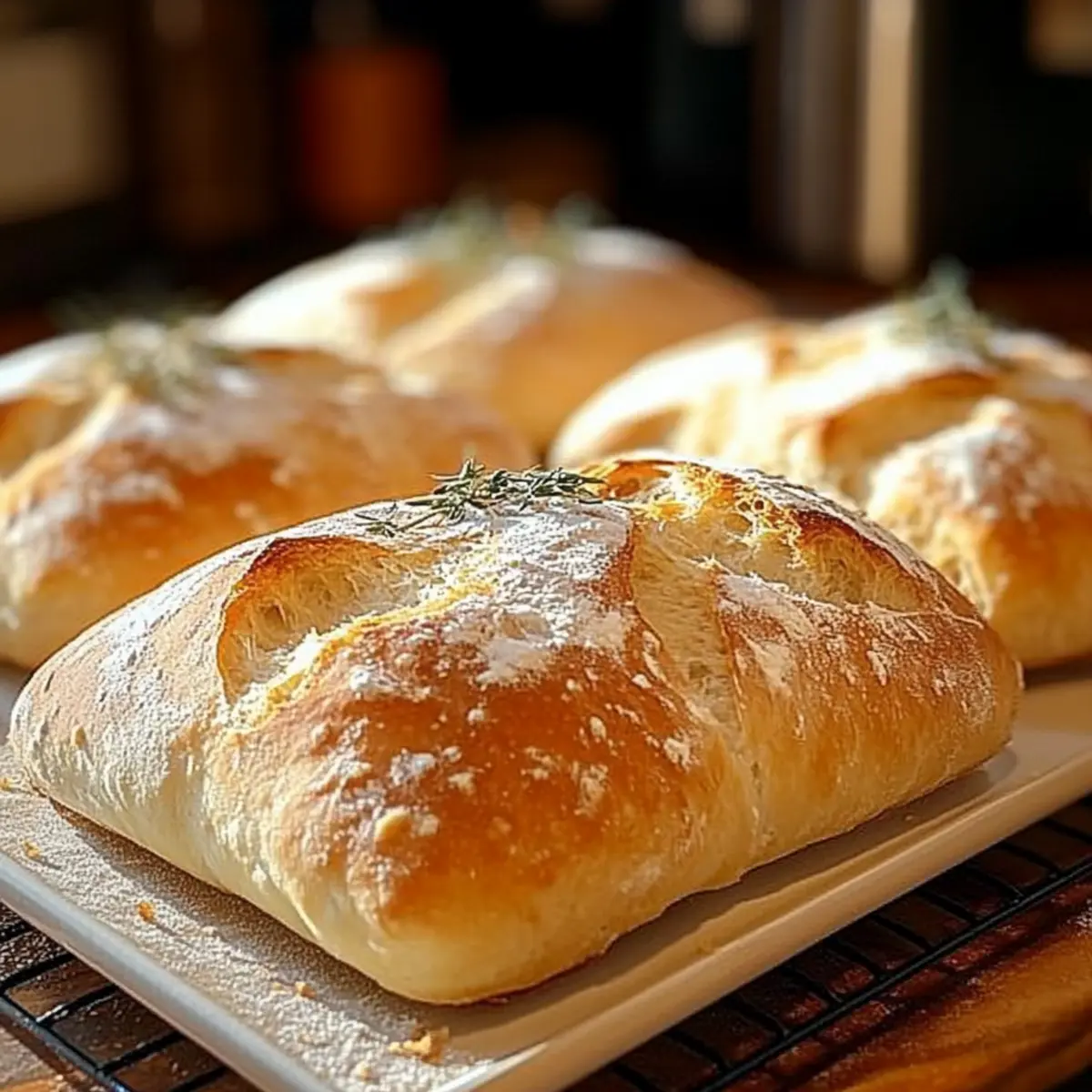
Once baked, remove the ciabatta from the oven and allow it to cool completely on a wire rack. This cooling time is essential for maintaining the optimal texture; slicing too soon can lead to a gummy interior. Once cooled, you’re ready to slice and serve your delicious homemade ciabatta bread, perfect for sandwiches or as an accompaniment to meals.
Make Ahead Options
Homemade Ciabatta Bread is perfect for busy cooks looking to streamline their meal prep! You can prepare the dough up to 24 hours ahead by following the initial steps: after mixing the ingredients and allowing for the first rise, simply cover the bowl tightly with plastic wrap and refrigerate overnight. The next day, let the dough come to room temperature before proceeding to fold, rest, and bake. This method maintains the bread’s quality by slowing down fermentation while still yielding a delightful, airy texture. Enjoy the convenience of having fresh ciabatta ready to bake and serve with minimal effort on your busy weeknights!
What to Serve with Quick Homemade Ciabatta Bread
Warm, crusty ciabatta beckons to be served alongside delectable dishes that elevate any meal experience.
-
Olive Oil & Balsamic Vinegar: A classic pairing, simply drizzle the ciabatta with high-quality olive oil and balsamic vinegar for a delightful dip that enhances its flavors.
-
Fresh Bruschetta Topping: Top slices of ciabatta with ripe tomatoes, garlic, basil, and a drizzle of olive oil to create a fresh appetizer bursting with Mediterranean flavor.
-
Rich Soups: Serve warm ciabatta with hearty soups, like minestrone or tomato basil, where the bread’s texture makes every bite satisfying as it soaks up the savory goodness.
-
Cheesy Paninis: Use sliced ciabatta to create loaded paninis with your favorite cheeses and fillings. The bread’s sturdiness allows it to hold up against melting ingredients beautifully.
-
Charcuterie Board: Add ciabatta to a vibrant charcuterie board filled with cheeses, fruits, and cured meats. Its rustic charm and crunch offer a delightful contrast to creaminess and sweetness.
-
Hearty Salads: Serve ciabatta alongside a vibrant salad, such as a Greek or kale salad, to provide a crunchy element, making for a balanced and satisfying meal.
Indulging in these pairings not only highlights the ciabatta’s delicious texture but also transforms an ordinary meal into an unforgettable feast. Enjoy the delightful symphony of flavors as you relish every bite!
Expert Tips for Homemade Ciabatta Bread
-
Stay Hydrated: Keep the dough’s high moisture by refraining from adding extra flour. Wet hands make handling the sticky dough easier.
-
Gentle Folding: Carefully fold the dough 2–3 times instead of kneading. This technique helps retain those precious air bubbles for a light and airy loaf.
-
Proper Cooling: Allow the ciabatta to cool completely before slicing. Cutting too soon can result in a gummy crumb, affecting your homemade ciabatta bread’s texture.
-
Optimal Temperature: Ensure your water is lukewarm (not hot) to activate the yeast effectively, which promotes a perfect rise.
-
Timing Matters: Pay attention to the rising times; let the dough double in size, and don’t rush the process for the best results.
Homemade Ciabatta Bread Variations
Feel free to get creative with your ciabatta and explore these delightful twists that elevate your baking experience!
-
Whole Wheat: Swap all-purpose flour for whole wheat for a denser, nuttier flavor. Your bread will have a heartier texture that adds great fiber and complexity.
-
Herbed Delight: Mix in fresh herbs such as rosemary, thyme, or even garlic for a fragrant twist. Think of the aroma wafting through your kitchen; it adds layers of flavor perfect for any meal.
-
Cheesy Goodness: Stir in some grated parmesan or mozzarella into the dough before the first rise. The gooey melty pockets will give an exciting surprise in each slice!
-
Olive Oil Drizzle: Before baking, drizzle the dough with high-quality olive oil for extra richness and flavor. This step enhances that crunchy crust and adds a luscious taste perfect for dipping.
-
Crusty Toppings: Sprinkle sesame seeds or poppy seeds on top before baking for added crunch and flavor. Imagine that delightful crunch with every bite!
-
Sweet Twist: Add a tablespoon of honey or sugar and some cinnamon to the dough for a subtle sweetness. Perfect for a breakfast treat or paired with your favorite jam, it’s especially special!
-
Spicy Kick: Incorporate red pepper flakes into the dough for a spicy kick that pairs wonderfully with a warm bowl of soup. Your ciabatta can become the star of a comforting meal in no time.
-
Transform Leftovers: Use any leftover ciabatta to make crispy croutons by cubing, tossing them with olive oil and herbs, and baking until golden. Toss them in a salad or enjoy as a crunchy topping on soups!
Ready to try other delicious bakes? If you loved this ciabatta, you might also enjoy my Banana Bread Moist or treat yourself to a delightful slice of Apple Bread Moist. Happy baking!
How to Store and Freeze Homemade Ciabatta Bread
Fridge: Keep your ciabatta bread wrapped in plastic wrap or placed in an airtight container for up to 3 days to maintain its freshness and flavor.
Freezer: For longer storage, slice the ciabatta and freeze it in a zip-top bag for up to 3 months. This way, you can enjoy quick homemade ciabatta bread anytime.
Reheating: When ready to enjoy, toast slices directly from frozen or reheat the whole loaf in a preheated oven at 350°F (175°C) for about 10 minutes until warmed through.
Quick Homemade Ciabatta Bread Recipe FAQs
What type of flour should I use for ciabatta?
For the best results, I recommend using all-purpose or bread flour as it provides the structure and chewiness that ciabatta is known for. If you prefer a denser texture, whole wheat flour can be used as a substitute. Just remember that the hydration might differ slightly, so you may need to adjust the water content.
How can I store homemade ciabatta bread?
To keep your ciabatta fresh for up to 3 days, wrap it in plastic wrap or place it in an airtight container and store it at room temperature. This prevents it from drying out while maintaining its delightful crust and tender interior. If it’s a bit too warm in your kitchen, you can also refrigerate it to stay fresh a bit longer.
Can I freeze ciabatta bread?
Absolutely! You can slice the ciabatta and freeze it in a zip-top bag for up to 3 months. When you’re ready to enjoy it, simply toast the slices directly from frozen. Alternatively, if you want to reheat the whole loaf, preheat your oven to 350°F (175°C) and warm it for about 10 minutes. You’ll have freshly baked bread ready to enjoy!
What should I do if my ciabatta doesn’t rise properly?
If your ciabatta dough fails to rise, the yeast might have been expired or the water too hot or cold. Ensure your water is lukewarm (around 100°F) to activate the yeast. If the dough doesn’t expand during the first rise, consider moving it to a warmer spot or give it more time, as sometimes yeast just needs a little encouragement to get going.
Is ciabatta bread vegan-friendly?
Yes, homemade ciabatta bread is a vegetarian option! All the ingredients—flour, salt, instant yeast, and lukewarm water—are plant-based. However, if you have allergies, be cautious with your flour choice, as some varieties might have cross-contamination with gluten or nuts during processing. Always check labels if needed.
What if my ciabatta has a doughy texture inside?
If your ciabatta has an unpleasantly doughy texture, it may not have been baked long enough or not cooled properly after baking. Always bake until the crust is a deep golden brown and sounds hollow when tapped under the loaf. After baking, let it cool completely on a rack—this step is crucial for developing the bread’s structure and texture.
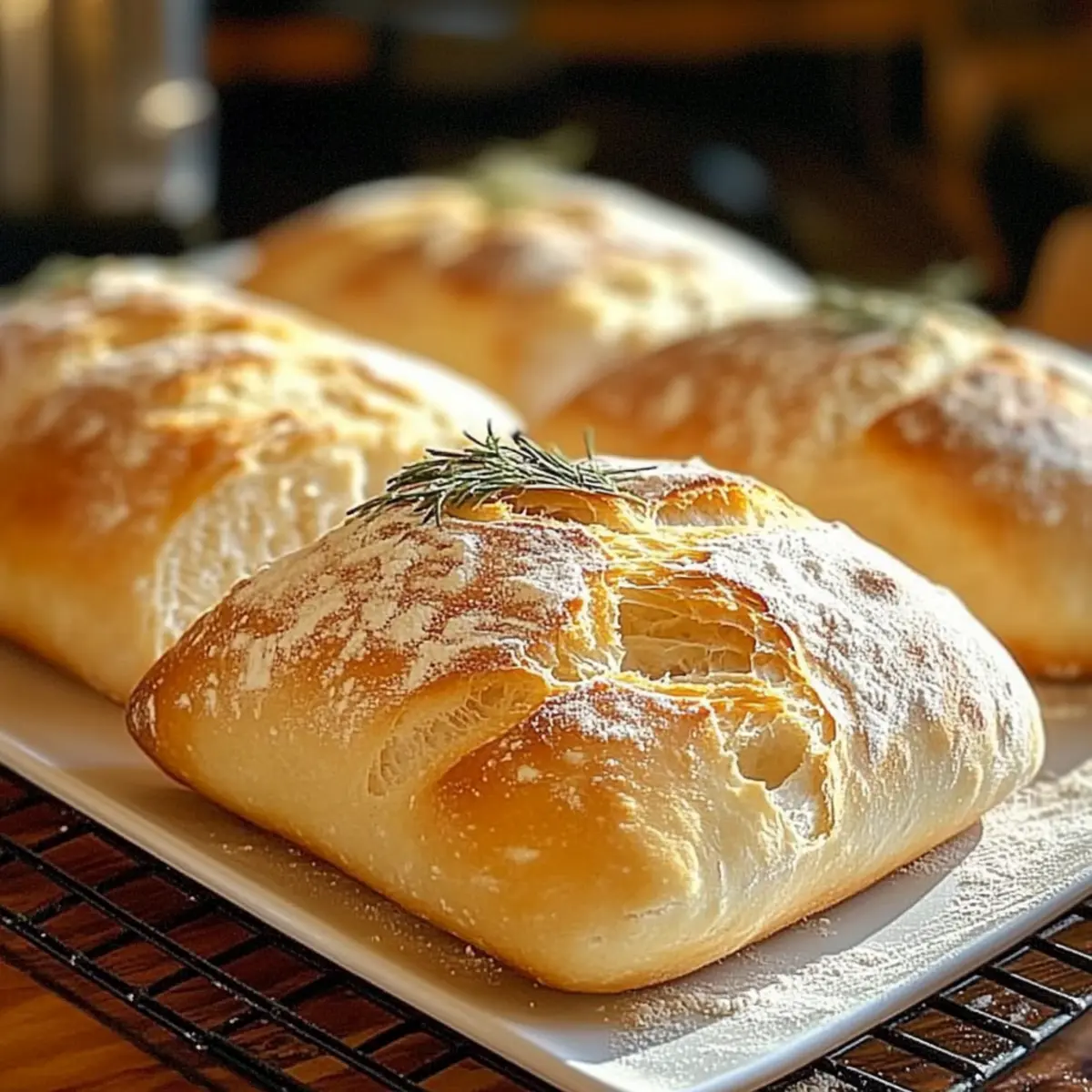
Homemade Ciabatta Bread That's Easy, Fresh, and Delicious
Ingredients
Equipment
Method
- In a large mixing bowl, combine 4 cups of all-purpose flour, 2 teaspoons of salt, and 2 teaspoons of instant yeast. Gradually add 1¾ cups of lukewarm water, mixing until a sticky and shaggy dough forms.
- Cover the bowl with a clean kitchen towel and let the dough rise at room temperature for about 1 hour.
- Lightly flour a clean surface and gently turn the risen dough out onto it. Fold the dough over itself 2–3 times into a loose rectangle.
- While the dough rests, preheat your oven to 450°F (230°C). Once preheated, place the baking sheet with the ciabatta into the oven and bake for 22–25 minutes.
- Once baked, remove the ciabatta from the oven and allow it to cool completely on a wire rack.
Leave a Reply