
As I stood over the simmering pot, the air filled with the warm and inviting scent of my homemade Thai broth, it struck me how this uncomplicated recipe captures the essence of comfort food. With just a handful of ingredients, including savory chicken bones and aromatic garlic, this delightful broth serves as a foundational base for soups or simply as a soothing cup on a chilly day. What I love most is its incredible versatility—the option to transform it into a vegetarian dish or spice it up according to my mood makes it a staple in my kitchen. Plus, it’s low in calories and deeply nourishing, perfect for anyone seeking a wholesome alternative to fast food. So, are you ready to learn how to create this heartwarming Thai broth that can elevate your meals to a whole new level?
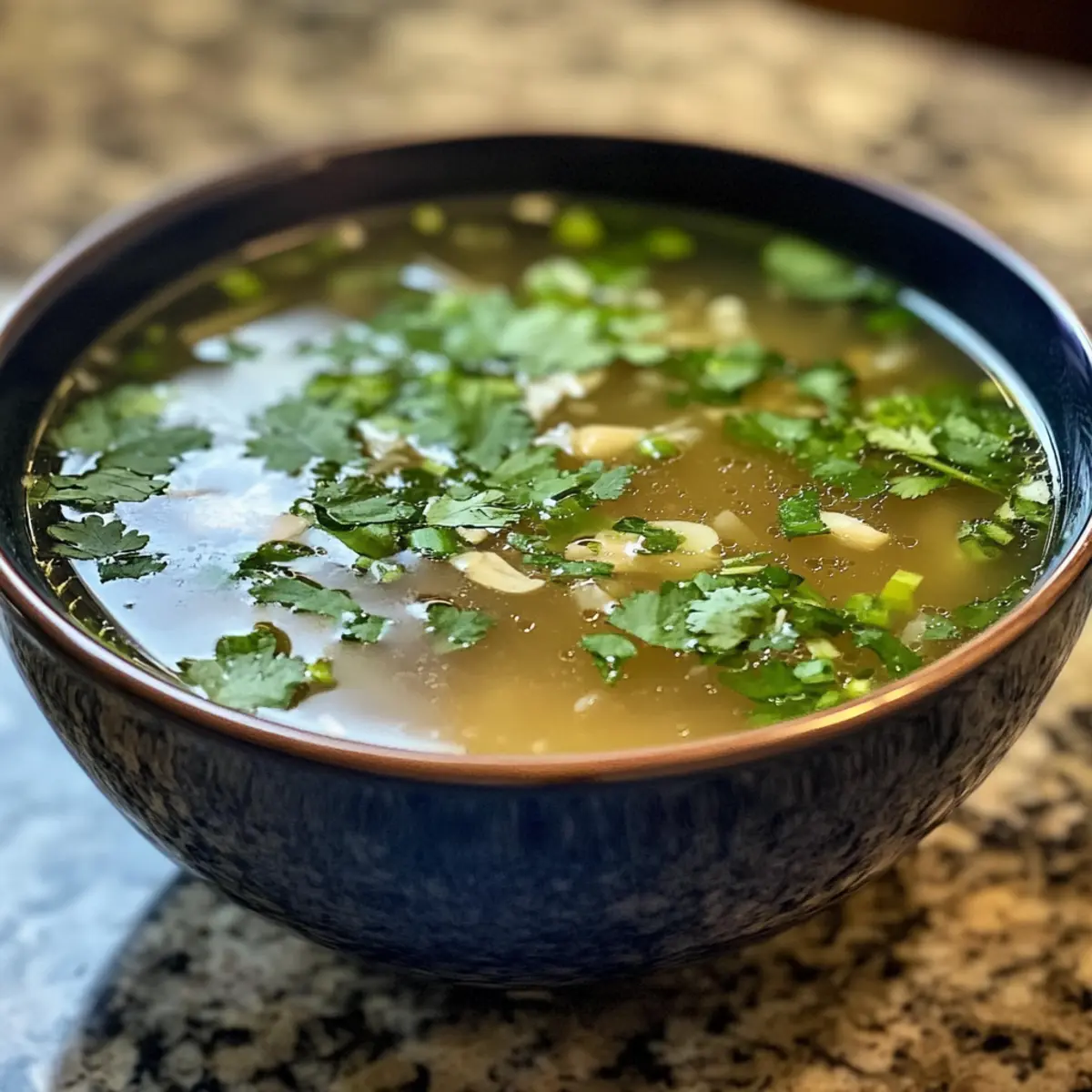
Why is Thai Broth a Must-Try?
Versatility: This broth can easily adapt to your preferences, with options to go vegetarian or add heat for spice lovers.
Easy Preparation: With just a few simple steps, you’ll have a savory base that can enhance many dishes, from noodle soups to veggie bowls.
Wholesome Comfort: Low in calories yet rich in flavor, it’s the perfect remedy for those craving comforting homemade food over fast options.
Nourishing Goodness: Packed with collagen and essential nutrients, this broth not only delights the taste buds but also supports your overall health, making it a staple for your meal prep.
Authentic Flavor: Channel the warmth of Thai street food right at home, bringing joy to mealtime effortlessly. If you’re a fan of versatile dishes, consider checking out Thai Peanut Chicken or adding a warm touch to your cooking with our Beef Chicken Broth.
Thai Broth Ingredients
• Dive into the essential ingredients that make this comforting broth a staple.
For the Broth Base
- Chicken or Pork Bones – Provides richness and natural collagen for a silky texture; feel free to mix for deeper flavor.
- Water – The base liquid that forms the backbone of your broth.
- Garlic – Adds warmth and depth; lightly crush to enhance its incredible flavor.
For the Aromatics
- Cilantro Roots (or Stems) – Contributes an earthy fragrance typical of Thai broth; stems work as a great substitute if roots are unavailable.
- Ground White Pepper – Offers a subtle kick; adjust the amount based on your taste preference.
- Thin Soy Sauce – Imparts color and umami flavor, elevating both the look and taste of the broth.
- Fish Sauce – Delivers essential salty depth for authentic Thai flavor; adjust to taste for that perfect balance.
Exploring the simplicity and richness of these ingredients will ensure your homemade Thai broth becomes a household favorite.
Step‑by‑Step Instructions for Thai Broth
Step 1: Prepare Ingredients
Begin by washing the chicken or pork bones under cool water to remove any impurities. Lightly crush several cloves of garlic with the side of your knife to release their aromatic oils, enhancing the broth’s flavor. Gather your cilantro roots or stems, keeping these fragrant herbs ready to infuse their essence later.
Step 2: Combine Ingredients
In a large stockpot, combine the prepared bones, crushed garlic, and your cilantro roots or stems. Pour in approximately 12 cups of cold water to cover the contents entirely. To this, add a splash of thin soy sauce and a dash of fish sauce, which will form the foundation of your flavorful Thai broth.
Step 3: Simmer
Place the pot on the stove over medium heat and bring the mixture to a gentle simmer; avoid boiling as this can cloud your broth. Once it simmers, lower the heat to maintain this soft simmer for about 2 hours. During this time, skim off any impurities that rise to the surface for a clearer, more visually appealing broth.
Step 4: Taste and Adjust
With about 20 minutes remaining in the cooking process, taste your Thai broth. This is the moment to adjust your seasonings; add more fish sauce for depth or a pinch of ground white pepper to enhance the flavor. Stir well and let the broth continue to simmer, allowing the flavors to meld beautifully.
Step 5: Strain and Store
Once the broth has simmered for the full 2 hours and the flavors have developed beautifully, carefully strain the mixture through a fine-mesh sieve into another pot or large bowl. Discard the solids, as they have served their purpose. Allow the broth to cool before transferring it to glass containers for storage, or freeze it in small portions for convenience in future meals.
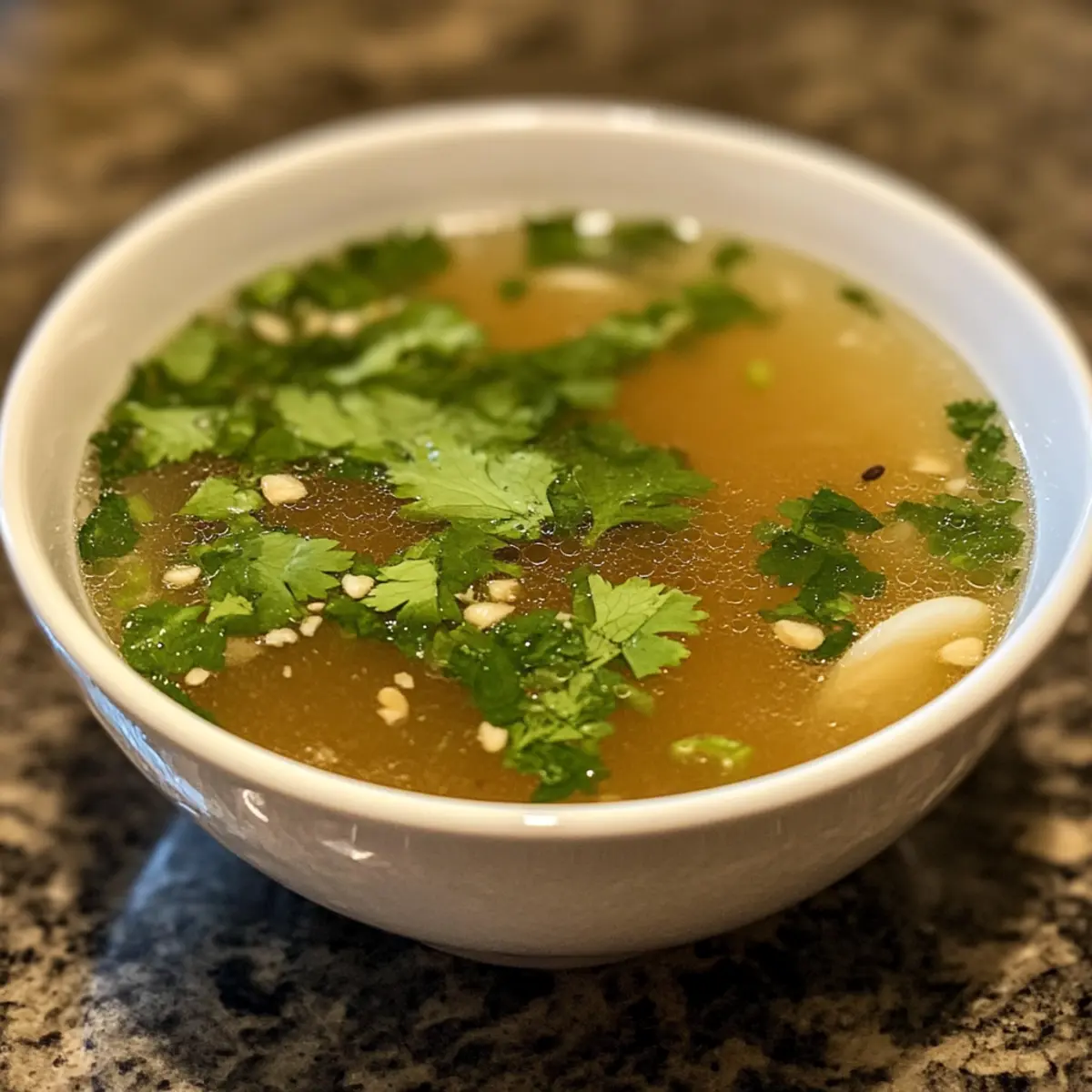
How to Store and Freeze Thai Broth
Fridge: Store your homemade Thai broth in an airtight container in the refrigerator for up to 4 days. Be sure to let it cool completely before refrigerating to maintain freshness.
Freezer: Freeze the broth in small portions, such as ice cube trays, or in flat freezer bags for easy access later. This allows the Thai broth to last for up to 3 months without losing its delicious flavor.
Reheating: When ready to use, thaw frozen broth in the refrigerator overnight. Reheat on the stove over low heat until warmed through, stirring occasionally.
Storage Tip: Remember to leave some space at the top of your container when freezing, as liquids expand when frozen.
Thai Broth Variations & Substitutions
Feel free to customize your Thai broth and make it your own with these delightful twists!
-
Vegetarian Version: Substitute bones with mushrooms, seaweed, and aromatics for a rich plant-based broth. It captures the essence of Thai flavors while being entirely meat-free.
-
Spicy Kick: Add crushed dried chili or fresh slices of Thai bird chilis to heat things up. Adjust according to your spice tolerance for a personalized touch.
-
Richer Broth: Opt for roasted bones or a mix of meats like chicken and pork for a fuller, deeper flavor. This variation brings a luxurious richness that will elevate your dishes.
-
No-Cook Alternative: For a quick twist, use store-bought vegetarian broth and add fresh herbs and spices for an instant Thai flavor boost! Just remember to season to taste.
-
Herb Infusion: Experiment with herbs like lemongrass or kaffir lime leaves for an aromatic twist. Their bright flavors will transport your broth to a sun-kissed Thai market.
-
Savory Additions: Consider incorporating a dash of coconut milk for creaminess or even miso paste for umami depth. This twist enhances the flavor profile while keeping it comforting.
-
Protein Power: Enhance your broth with cooked shrimp or chicken for a heartier option. Just toss them in during the last few minutes of simmering to heat through.
If you’re enjoying this wonderful world of flavors, don’t forget to check out Thai Peanut Chicken for another delicious spin on Thai cuisine, or explore the comforting warmth of our Beef Chicken Broth.
What to Serve with Thai Broth
Warm your heart and elevate your meals with delightful sides that complement the inviting essence of your homemade broth.
-
Fresh Vegetable Spring Rolls: Light and crunchy, these rolls filled with crisp veggies create a refreshing contrast to the savory richness of the broth. Dip them into a zesty peanut sauce for an added layer of flavor.
-
Steamed Jasmine Rice: Soft and fragrant, jasmine rice soaks up the delicious broth, adding a nutty essence that makes each spoonful comforting. Pairing it with a squeeze of lime brightens every bite.
-
Sautéed Bok Choy: With its tender leaves and slightly crunchy stems, bok choy brings a delightful texture and subtle sweetness, perfectly balancing the warm flavors of your broth. Toss in some garlic for an aromatic kick.
-
Thai Chicken Satay Skewers: Marinated and grilled, these skewers of chicken packed with spices provide a smoky, savory note that harmonizes beautifully with the broth. Serve with a peanut sauce for a flavor explosion.
-
Cilantro Lime Quinoa: This fluffy, herb-infused quinoa adds a fresh pop of color and bright flavor, creating a lovely contrast to the comforting warmth of the broth. A perfect side to keep things light yet fulfilling.
-
Coconut Milk Dessert Soup: For a sweet finish, this warm dessert featuring coconut milk, tapioca, and fruits like mango or papaya offers a gentle sweetness that contrasts beautifully with the savory broth.
-
Sparkling Ginger Lemonade: Refreshing and slightly spicy, this drink awakens your palate, making every sip of your broth feel even more satisfying. Perfectly zesty to cleanse the palate between bites.
-
Lime Wedges: A simple but essential garnish, a squeeze of lime brightens up each spoonful of broth, enhancing its authentic Thai flavor profile. It’s the finishing touch that brings everything together.
Expert Tips for Thai Broth
-
Start Cold: Always begin with cold water to ensure a clearer broth. It’s a key step that impacts the overall clarity and taste.
-
Gentle Simmer: Maintain a soft simmer throughout cooking. Boiling aggressively can lead to a cloudy broth, which is less visually appealing.
-
Skim Regularly: Take a few moments to skim off impurities while simmering. This technique ensures a cleaner and brighter broth that’s more enjoyable to sip.
-
Season Smartly: Wait until the last 20 minutes to adjust seasonings. This prevents the risk of over-salting your Thai broth, allowing for better flavor balance.
-
Proper Storage: Cool your broth down completely before storing to avoid condensation. This keeps your broth fresh and flavorful for future use.
Make Ahead Options
These Thai Broth preparations are perfect for busy home cooks looking to save time during the week! You can prepare the broth components up to 24 hours in advance by washing the bones and crushing the garlic. Simply refrigerate the prepped ingredients in an airtight container until you’re ready to cook. On the day you intend to serve, combine all these components with water and follow the simmering instructions. To maintain the broth’s quality, ensure you skim off any impurities while simmering and refrigerate any leftovers for up to 4 days. With these make-ahead tips, you’ll have a cozy, flavorful meal at your fingertips with minimal effort!
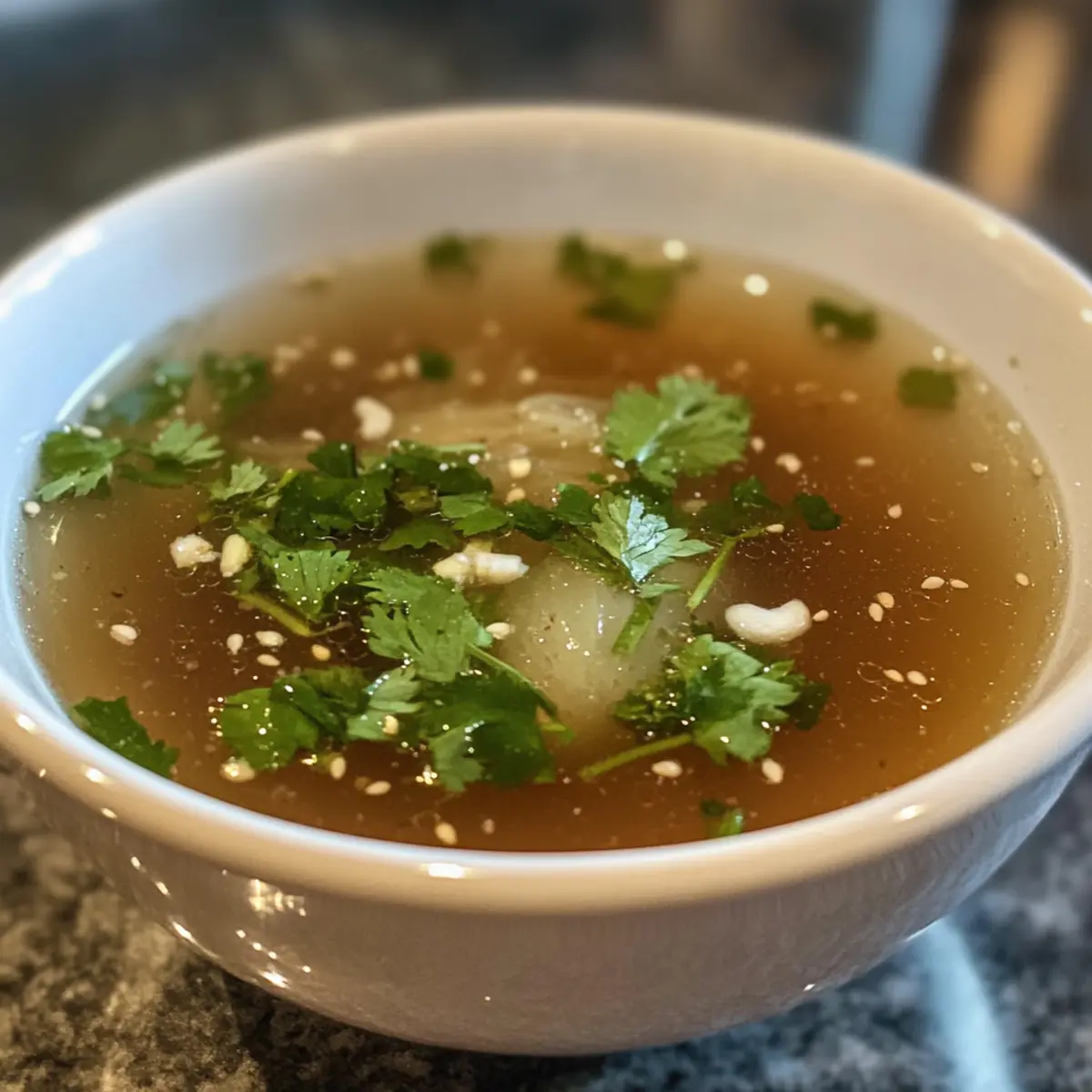
Thai Broth Recipe FAQs
What kind of bones should I use for Thai broth?
Absolutely! For the richest flavor and texture, it’s best to use chicken or pork bones. These provide natural collagen, giving your broth a silky mouthfeel. If you want to deepen the flavor even further, a mix of bones works wonders—I often use both chicken and pork for a more complex base.
How long can I store homemade Thai broth?
You can store your Thai broth in the refrigerator for up to 4 days. Just remember to cool it down completely before transferring it to an airtight container. If you want to keep it longer, freezing is a great option!
Can I freeze Thai broth?
Yes, you can freeze your Thai broth! Pour the cooled broth into ice cube trays or small freezer bags. This allows for portions that last up to 3 months. Just remember to leave some space at the top of the container, as liquids expand when frozen.
What should I do if my broth turns cloudy?
Very! If you notice cloudiness, it likely comes from boiling too aggressively. For a clearer broth, always bring your mixture to a gentle simmer, not a boil. Make sure to skim off any impurities regularly while it cooks. This will keep your broth visually appealing and delicious.
Is Thai broth suitable for people with allergies?
It can be! However, be cautious; fish sauce contains fish, which can trigger allergies. If you’re preparing a broth for someone with seafood allergies, I recommend either omitting it or substituting it with a soy sauce or coconut aminos for a similar umami flavor. Always check ingredient labels to ensure safety.
Can I make a vegetarian version of Thai broth?
Absolutely! For a delightful vegetarian variation, substitute the bones with a mix of mushrooms, seaweed, and aromatic vegetables. Use the same cooking process to simmer these ingredients to create a rich, flavorful base, perfect for anyone seeking plant-based options.
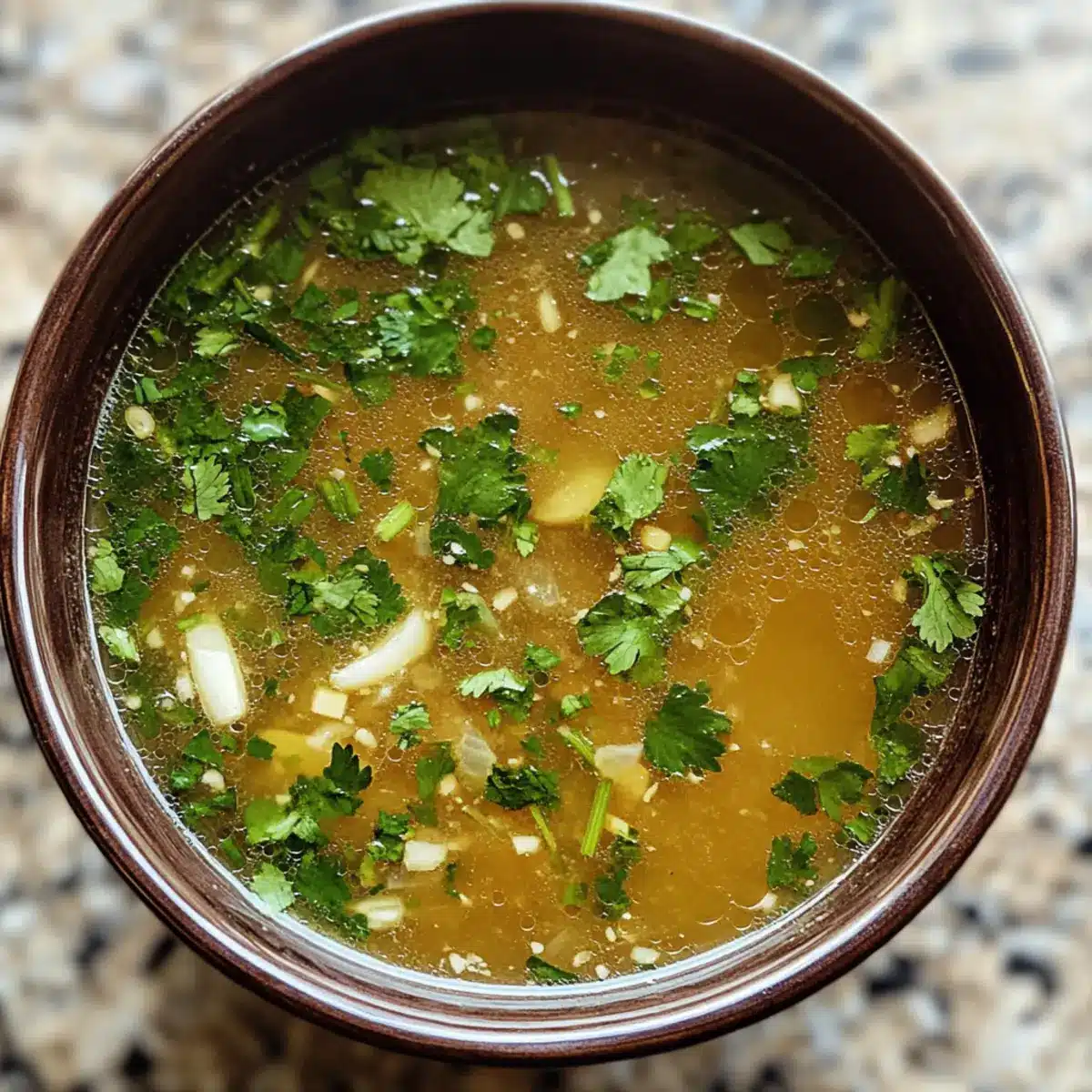
Comforting Thai Broth Recipe for Cozy Nights In
Ingredients
Equipment
Method
- Prepare Ingredients: Wash the chicken or pork bones under cool water and crush the garlic to release its oils.
- Combine Ingredients: Combine bones, garlic, cilantro roots or stems in a large stockpot. Pour in 12 cups of water, adding soy and fish sauce.
- Simmer: Bring to a gentle simmer over medium heat for about 2 hours. Skim off impurities as needed.
- Taste and Adjust: With 20 minutes remaining, taste and adjust seasonings before allowing the broth to continue simmering.
- Strain and Store: Strain the broth through a sieve into another pot or bowl, discarding solids, and cool before storing.
Leave a Reply